Launching Route 53 Files
Source Entity
Hacker News
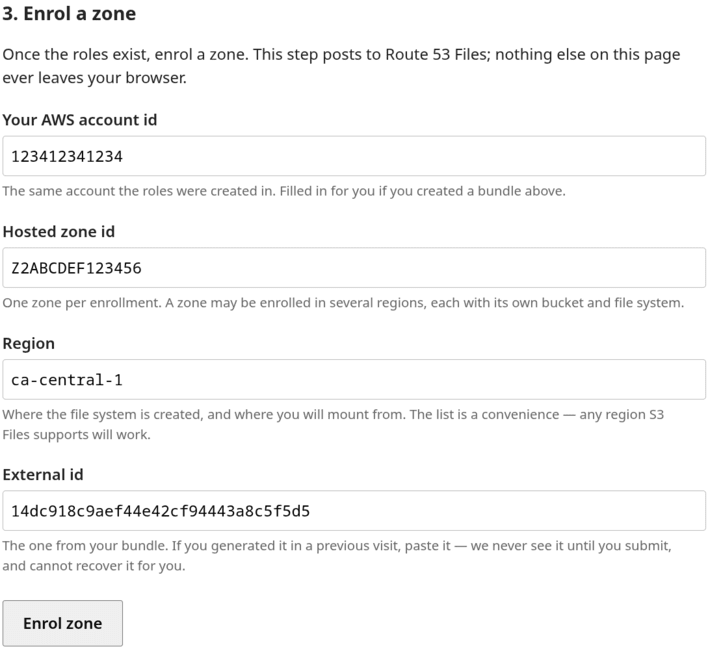
AWS has introduced Route 53 Files, a new feature that allows users to manage DNS records as standard file systems. This innovation eliminates the need for manual reloads or re-compilation, streamlining workflows for developers familiar with UNIX tools.
The Evolution of DNS Management: Introducing Route 53 Files
For decades, the management of Domain Name System (DNS) records has been tethered to legacy paradigms. Since the inception of the Berkeley Internet Name Domain (BIND) server forty years ago, system administrators have relied on the 'zone file' model. This process, while foundational, required manual intervention—specifically, editing text files in editors like vi and subsequently triggering a reload command to ensure the DNS server recognized the updates. This manual overhead often introduced latency and the potential for human error in critical infrastructure management.
Moving Beyond Static Zone Files
The industry has long sought more efficient ways to handle record propagation. Even as alternative solutions like Daniel Bernstein’s tinydns emerged, the core limitation remained: these systems often served records from a database on disk, requiring a re-compilation step after every human-readable edit. This friction has persisted for years, forcing engineers to build custom automation scripts to bridge the gap between file-based configurations and live DNS states.
The Mechanics of Route 53 Files
The introduction of Route 53 Files represents a significant shift in how cloud-native DNS is managed. By making hosted zones accessible as standard file systems, Amazon Web Services (AWS) is effectively abstracting the complexities of API-based DNS management. Instead of interacting with an API or a CLI tool to update records, users can now utilize standard UNIX software to manipulate their DNS environment as if they were editing local configuration files on a server.
Automation and Real-Time Synchronization
A critical advantage of this new feature is the bidirectional nature of the integration. Changes made within the file system are automatically reflected in Route 53, and conversely, updates made through the Route 53 interface are mirrored back to the file system. This synchronization eliminates the need for manual reloads or compilation steps, drastically reducing the 'time-to-live' for configuration changes and allowing for seamless integration into existing CI/CD pipelines.
Broader Implications for DevOps
This release signals a broader trend in cloud infrastructure: the 'file-system-as-interface' movement. By aligning cloud services with familiar UNIX workflows, AWS is lowering the barrier to entry for managing complex network configurations. Developers who have spent years perfecting their command-line workflows can now apply those same habits to their cloud DNS, potentially increasing the speed and reliability of infrastructure-as-code deployments.
Conclusion: A New Standard for DNS
In summary, the launch of Route 53 Files is a pragmatic solution to a decades-old problem. By removing the technical debt associated with zone file reloading and database recompilation, AWS is enabling a more fluid, responsive approach to DNS management. As organizations continue to scale their digital footprints, tools that simplify administrative overhead while maintaining deep system control will become increasingly vital to maintaining operational excellence.