AYUSH education expands in country, but non-government colleges dominate
Source Entity
India Latest News: Top National Headlines Today & Breaking News | The Hindu
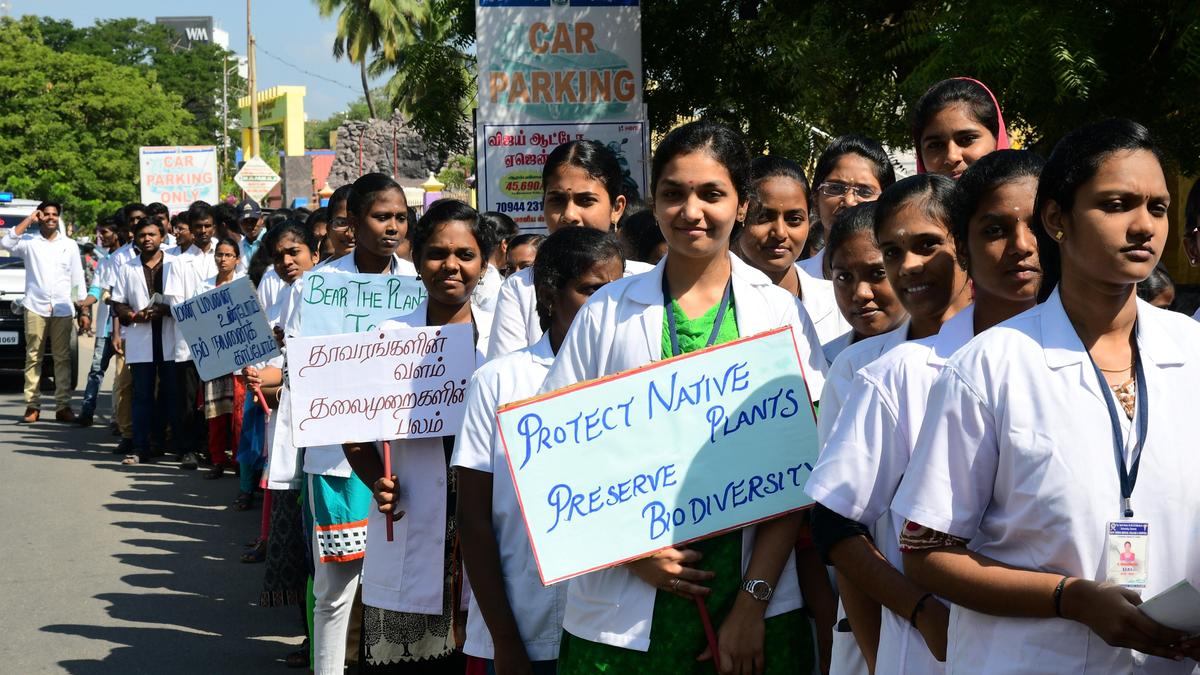
India's AYUSH education sector has seen a 23% increase in institutions since 2021, though growth is primarily driven by private colleges. Amid this expansion, the Dr. NRS Government Ayurvedic College in Vijayawada secured crucial admission approvals for the 2026-27 academic year.
The Rapid Evolution of AYUSH Education in India
India is currently witnessing a significant transformation in its medical education landscape, characterized by a deliberate push from the central government to integrate AYUSH—Ayurveda, Yoga and Naturopathy, Unani, Siddha, Homoeopathy, and Sowa-Rigpa—into the mainstream healthcare architecture. Recent data indicates that the number of AYUSH colleges across the country surged from 789 in 2021 to 971 in 2024, representing a robust 23% growth in educational infrastructure. This expansion is designed to bolster rural healthcare outreach and broaden the scope of traditional medical services available to the public.
The Growth Disparity: Private vs. Public
While the total number of institutions and seats has risen impressively—with admission capacity growing from 63,477 to 79,593—the data reveals a striking trend: the expansion is predominantly driven by non-government institutions. The private sector’s dominance in this growth cycle raises questions regarding the sustainability and accessibility of AYUSH education. While private investment has undoubtedly scaled up capacity, the reliance on non-government entities underscores the challenges government institutions face in meeting the stringent infrastructure and academic standards required for accreditation and seat expansion.
Case Study: Dr. NRS Government Ayurvedic College
Highlighting the hurdles faced by the public sector, the recent success of Dr. NRS Government Ayurvedic College in Vijayawada serves as a microcosm of the broader situation. The college recently secured formal permission to admit students for the 2026–27 academic year. This milestone was not achieved easily; it required sustained administrative efforts to upgrade clinical facilities and meet rigorous regulatory requirements. The intervention of the AYUSH Department and the Health, Medical and Family Welfare Department was pivotal in ensuring that this government institution could continue its academic mission.
Strategic Implications and Regulatory Hurdles
The 43% increase in permitted seats—rising from 50,711 to 72,490—suggests that regulatory bodies are actively working to clear the backlog of applications. However, the contrast between the rapid private sector growth and the laborious process for government institutions suggests that the latter often struggle with the logistical and financial burdens of maintaining state-of-the-art medical training environments. For AYUSH to truly act as a pillar of India's universal healthcare strategy, a more balanced growth model that supports the revitalization of government colleges is essential.
Future Trends and Outlook
Looking ahead, the integration of AYUSH into the broader health system will likely depend on the quality of graduates produced by these expanding institutions. As the government continues to push for greater rural coverage, the role of government-run colleges becomes even more critical, as they often serve as the primary healthcare providers in underserved regions. Future policies will likely need to focus on bridging the resource gap between private and public institutions to ensure that the rapid quantitative growth of the sector is matched by qualitative improvements in medical training and patient care standards.
Verification Required?