A joke can do what politics cannot: The independence we often forget
Source Entity
The Indian Express
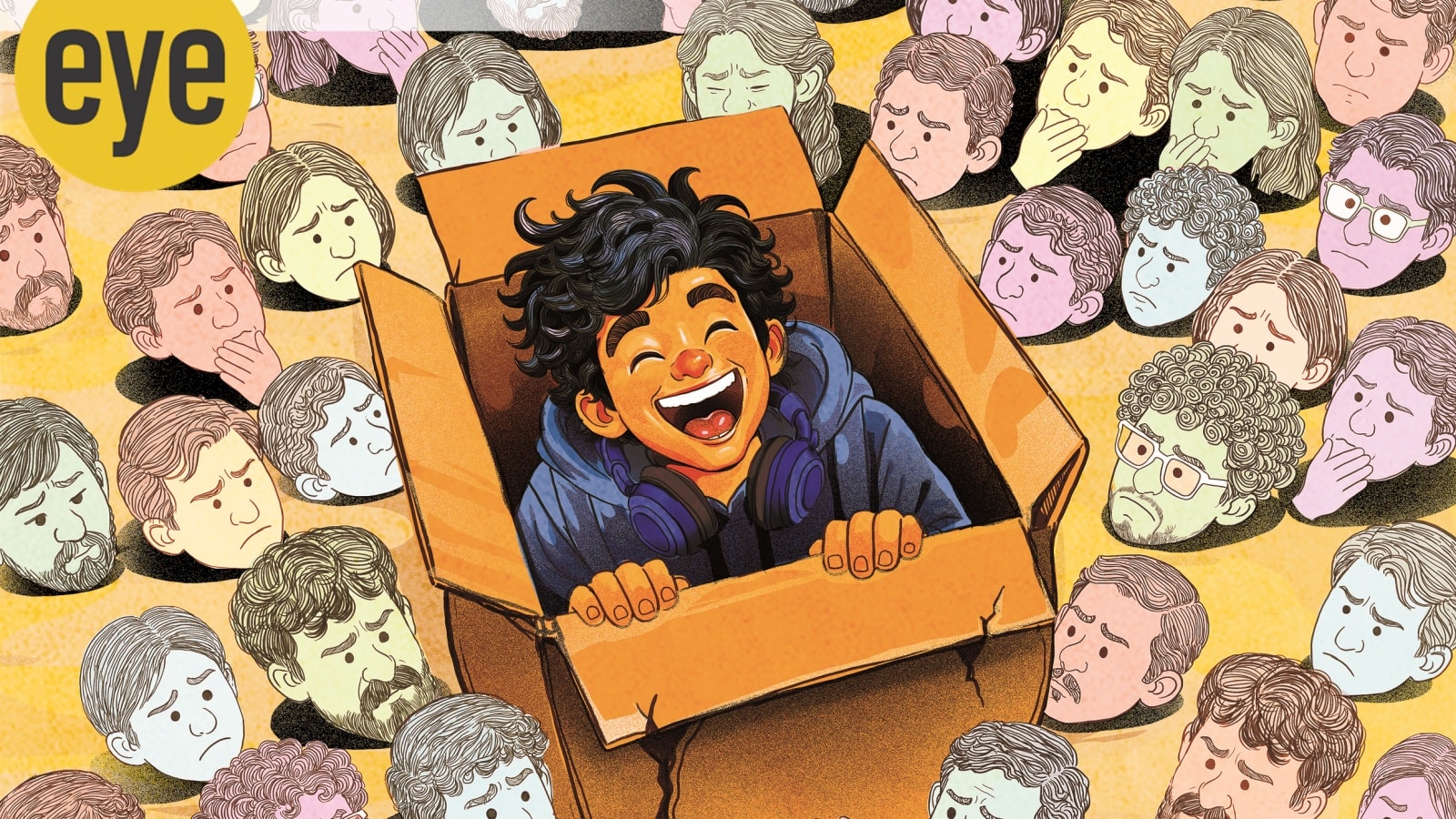
Comedian Azeem Banatwalla reflects on the evolving landscape of humor in India, drawing parallels between classroom discipline and current societal constraints. He highlights the inherent power of laughter as an involuntary, subversive force against authority.
The Subversive Power of Comedy in Modern India
The Evolution of the Class Clown
Comedian Azeem Banatwalla reflects on his lifelong aspiration to elicit laughter, tracing his journey from an awkward teenager seeking validation to a professional performer. He candidly admits that his early attempts at humor were marked by a lack of charisma, often resulting in social friction rather than applause. This personal history serves as a poignant microcosm for the broader experience of the comedic profession, where the desire to be heard often clashes with the expectations of established authority figures.
Comedy as a Classroom Discipline
Banatwalla draws a striking parallel between his experiences in school—where he was frequently disciplined for his "tongue-in-cheek observations"—and the climate he faces as a comedian in India in 2026. This comparison suggests that the professional landscape has become increasingly restrictive, mirroring the rigid environment of a classroom where dissent or disruption is met with immediate pedagogical correction. The implication is that the comedian, much like the rebellious student, is being forced into a role of a social outcast for merely exercising the urge to comment on the world around them.
The Involuntariness of Laughter
Central to Banatwalla’s thesis is the assertion that laughter is an involuntary biological reaction. By defining laughter as something that cannot be "contained," he posits that comedy possesses a unique, almost primitive power that bypasses the rational filters of authority. This inherent uncontrollability is precisely what makes humor a threat to those in power, as it creates a shared moment of truth that exists outside the bounds of formal political or social control.
Challenging Authority Through Humor
Historically, the role of the jester or the satirist has been to hold a mirror to authority figures, whether they are teachers, parents, or elected leaders. Banatwalla notes that when a joke is told in a setting where mockery is strictly forbidden, the act of laughing becomes an act of defiance. This dynamic suggests that comedy acts as a pressure valve for society; when politics fails to bridge gaps or address uncomfortable realities, humor serves as the only medium through which the citizenry can collectively acknowledge the absurdity of their situation.
The Future of Satire in a Constrained Environment
As we look toward the future of the arts in India, the tension between state or societal authority and the comedic impulse appears to be intensifying. If the professional environment continues to resemble a restrictive schoolroom, the nature of satire may be forced to evolve. It may become more cryptic or move into more private, decentralized spaces to avoid the "detriment" that Banatwalla describes. Ultimately, the survival of comedy depends on the public’s continued willingness to engage in the involuntary act of laughing at the truth, even when doing so carries a social cost.