Bangkok's monthly rain quota in 3 days, flights hit, baggage chaos at airport: Inside Thailand's deluge
Source Entity
Latest News: Todays Latest News Headlines from India & World | Hindustan Times | Hindustan Times
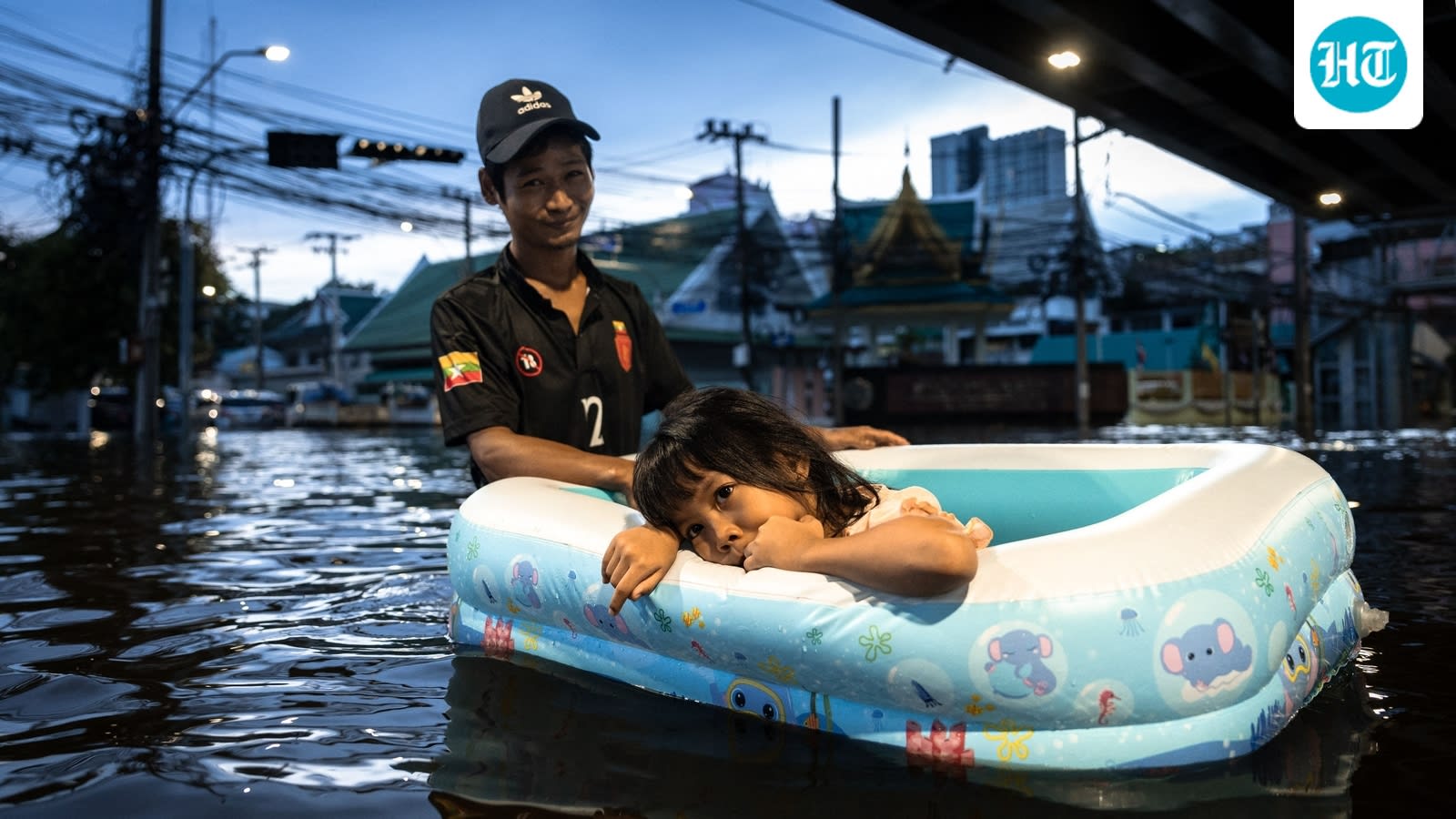
Bangkok is grappling with severe flooding after receiving a month's worth of rainfall in just three days. The deluge has affected 700,000 people, disrupted airport operations, and claimed 23 lives across Thailand.
Bangkok Submerged: A Climate Crisis Unfolds
Bangkok, a global hub for tourism and commerce, is currently facing a harrowing environmental crisis as unprecedented rainfall has left large swathes of the city submerged. Over the span of just three days, the capital received approximately 320 mm (12.6 inches) of rain, effectively dumping an entire month’s quota of precipitation in a fraction of the time. This extreme weather event has overwhelmed urban drainage systems, leading to widespread flooding that has impacted roughly 700,000 residents, with eastern neighborhoods bearing the brunt of the destruction.
The Human and Infrastructural Toll
The impact of this deluge extends far beyond residential displacement. Reports indicate that the flooding has caused significant chaos at Bangkok’s airports, with travelers facing long delays and baggage handling issues as the city’s infrastructure struggles to cope with the influx of water. The human cost of the wider disaster across Thailand is equally sobering; since mid-September, the national death toll associated with these floods has climbed to 23. Visuals from districts like Bang Kapi show residents navigating streets in inflatable boats, highlighting the severity of the situation on the ground.
Government Response and Recovery Efforts
In response to the crisis, Thai authorities officially declared a city-wide disaster. While the government has expressed a cautious sense of optimism, suggesting that floodwaters could recede within three days provided that rainfall ceases, the city remains on high alert. The reliance on clear weather for recovery underscores the vulnerability of Bangkok’s low-lying geography to extreme weather patterns. The government’s ability to manage this crisis will be a critical test of its disaster preparedness and urban resilience strategies.
Broader Implications and Urban Vulnerability
The current flooding in Bangkok serves as a stark reminder of the challenges posed by rapid urbanization in areas susceptible to extreme weather. As the city continues to expand, the loss of natural drainage basins and green spaces exacerbates the impact of heavy monsoon rains. This event highlights the precarious nature of maintaining a functioning metropolis in an era of increasingly unpredictable climate patterns, where the infrastructure designed for historical weather norms is frequently pushed beyond its breaking point.
Future Outlook: Building Resilience
Looking ahead, the recovery process will likely focus on immediate relief and the restoration of essential services. However, the recurring nature of these floods suggests a need for long-term investment in flood mitigation, such as improved pumping stations, elevated infrastructure, and more robust water management systems. As Bangkok continues to attract millions of visitors annually, the pressure to ensure safety and stability will remain a top priority for policymakers. The current crisis will undoubtedly serve as a case study for future urban planning in Southeast Asia, emphasizing the necessity of climate-resilient development to protect both the local population and the vital tourism sector.
Multiple Citing Sources
Verification Required?