Bangladesh Lists 2 Riders For PM Rahman's India Visit. One Is Hasina Return
Source Entity
NDTV News Search Records Found 1000
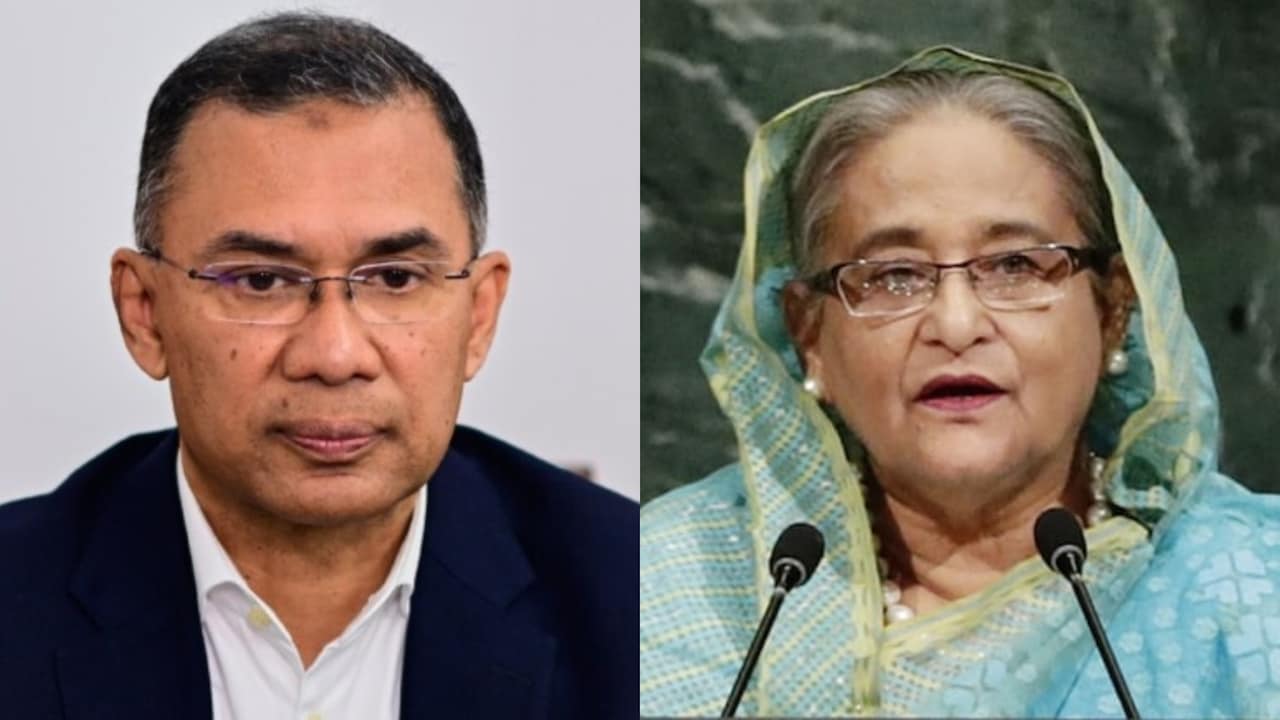
Bangladesh Prime Minister Tarique Rahman has conditioned his upcoming visit to India on the extradition of former leader Sheikh Hasina. Dhaka insists that Hasina's continued presence in India and her public criticism of the current administration have created an unfavorable environment for diplomatic engagement.
The Diplomatic Standoff: Bangladesh-India Relations at a Crossroads
Conditionality of High-Level Diplomacy
The diplomatic landscape between Dhaka and New Delhi has entered a period of significant tension, as Bangladesh’s Prime Minister Tarique Rahman has officially linked the prospect of his maiden state visit to India to the extradition of his predecessor, Sheikh Hasina. Following the 2024 uprising that resulted in Hasina’s departure from Bangladesh and her subsequent arrival in India, the relationship between the two nations has been marked by a series of contentious exchanges. Dhaka has made it clear that a "propitious environment"—a prerequisite for such high-level diplomatic travel—cannot exist as long as the former leader remains sheltered in India.
The Legal and Political Friction
At the heart of this friction is the legal status of Sheikh Hasina, who currently faces the death penalty in Bangladesh for crimes against humanity. The Bangladeshi government has repeatedly urged New Delhi to accelerate the extradition process, viewing her return as a necessary step toward national reconciliation and justice. The situation was further exacerbated when Hasina held a virtual press conference on August 5, 2026, during which she openly criticized the current administration led by Prime Minister Rahman. This event, according to Bangladeshi officials, served to further "vitiate" the atmosphere, making the normalization of bilateral relations increasingly difficult.
The Role of Diplomatic Channels
Despite these tensions, the lines of communication remain active. Indian High Commissioner to Bangladesh, Dinesh Trivedi, recently held discussions with Prime Minister Rahman to address these ongoing concerns. While the meeting was described by Foreign Minister Khalilur Rahman as "somewhat reassuring," it underscores the delicate balancing act that both nations must perform. India is currently balancing its historical ties to the previous administration with the pragmatic need to maintain stability in its neighborhood, while the current Bangladeshi government remains under intense domestic pressure to secure Hasina’s return.
Implications for Regional Stability
The potential visit of Prime Minister Rahman to India is viewed as a crucial barometer for the future of South Asian regional cooperation. If the extradition issue remains unresolved, it could lead to a prolonged period of diplomatic stagnation, affecting trade, security, and border management. The insistence by Dhaka that the extradition is a precursor to a state visit signals a shift in foreign policy, prioritizing domestic political accountability over traditional diplomatic norms.
Future Trends and Outlook
Looking ahead, the resolution of this impasse will likely depend on whether New Delhi can navigate the legal complexities of the extradition request while managing the fallout from Hasina’s public political activities. If the situation remains unresolved, the freeze on high-level visits may continue, potentially pushing Bangladesh to seek deeper engagement with other regional powers. For now, the focus remains firmly on the diplomatic maneuvering surrounding Hasina’s legal status and the restoration of a climate conducive to bilateral cooperation.
Multiple Citing Sources
Verification Required?