Bangladesh urges India to expedite Sheikh Hasina’s extradition
Source Entity
India Latest News: Top National Headlines Today & Breaking News | The Hindu
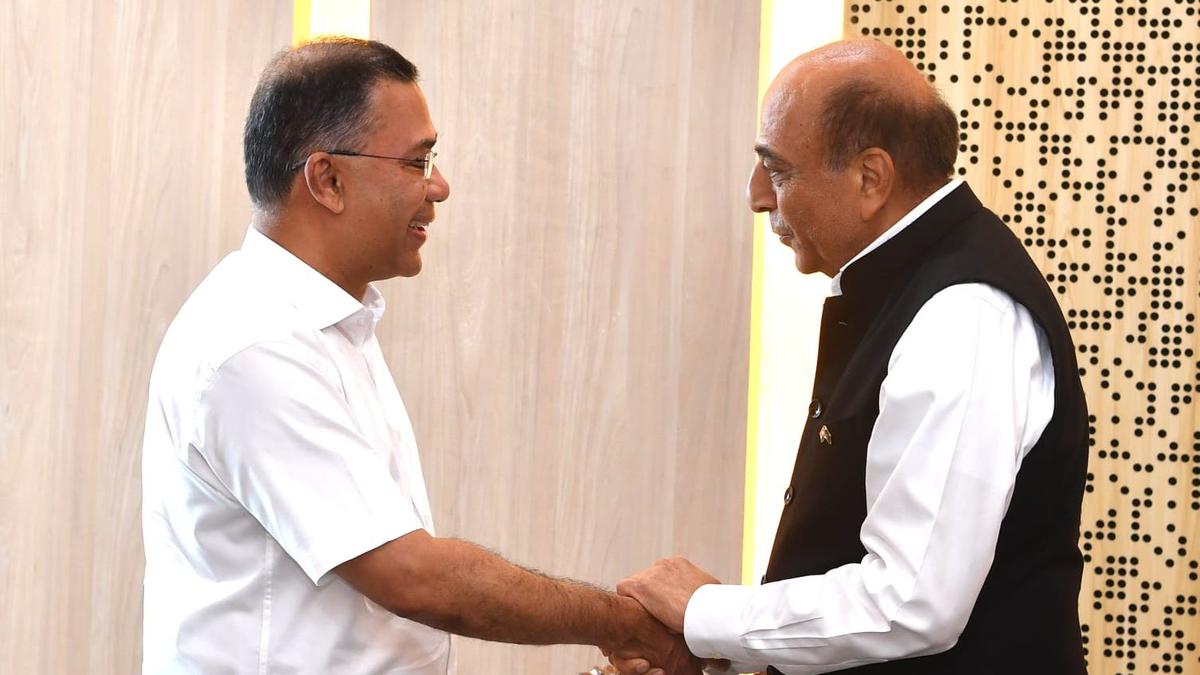
Bangladesh has conditioned Prime Minister Tarique Rahman’s official visit to India on the expedited extradition of former leader Sheikh Hasina. Dhaka cites Hasina's recent media presence as a hindrance to bilateral relations, complicating diplomatic efforts between the two neighbors.
Diplomatic Standoff: The Extradition Nexus
The current diplomatic landscape between Bangladesh and India is defined by a significant impasse centered on the fate of former Prime Minister Sheikh Hasina. Following her departure during the 2024 uprising, her continued presence in India has become a primary friction point. The administration of Prime Minister Tarique Rahman has formally linked his potential inaugural visit to New Delhi to the successful extradition of Hasina, who currently faces the death penalty in Bangladesh for crimes against humanity.
The Role of 'Propitious Environment'
Foreign Ministry official A.K.M. Shahidul Karim has emphasized that a "propitious environment" is a prerequisite for high-level diplomatic engagement. This narrative is further complicated by Hasina’s recent virtual press interactions, which Dhaka claims have "vitiated" the atmosphere. By utilizing media platforms to criticize the current Bangladeshi government, Hasina has effectively turned her presence in India into a volatile domestic issue for the Rahman administration, making it difficult for him to pursue rapprochement without addressing the extradition demand first.
Bilateral Tensions and High-Level Diplomacy
The urgency of this situation was underscored on August 10, 2026, when Indian High Commissioner to Bangladesh, Dinesh Trivedi, met with Prime Minister Tarique Rahman. While the meeting was described as an exchange on "matters of mutual interest," it followed a period of intense scrutiny regarding the bilateral relationship. Foreign Minister Khalilur Rahman noted he was "somewhat reassured" by the dialogue, yet the core demand—the acceleration of the extradition process—remains the central obstacle to normalizing ties.
Historical Context and Political Realignment
The 2024 uprising that displaced Hasina’s government marked a tectonic shift in Bangladeshi politics. The transition to the administration of Tarique Rahman represents a fundamental challenge to the status quo that existed under Hasina’s long tenure. India’s role as a neighbor and regional hegemon leaves it in a precarious position: balancing its historical ties with the previous regime against the necessity of maintaining a functional, stable working relationship with the new leadership in Dhaka.
Future Trends and Regional Stability
Looking forward, the trajectory of India-Bangladesh relations will likely remain frozen until a compromise is reached on the legal status of the former premier. If New Delhi continues to host Hasina while she remains a vocal critic of the current Dhaka government, the prospects for a visit by Prime Minister Rahman will continue to recede. Conversely, should India move to facilitate the extradition or significantly restrict Hasina’s political activities, it may risk internal political backlash or diplomatic fallout, illustrating the high-stakes nature of regional stability in South Asia.
Multiple Citing Sources
Verification Required?