Nasa’s Moon base: Too early to tell where India fits in
Source Entity
CHETHAN KUMAR
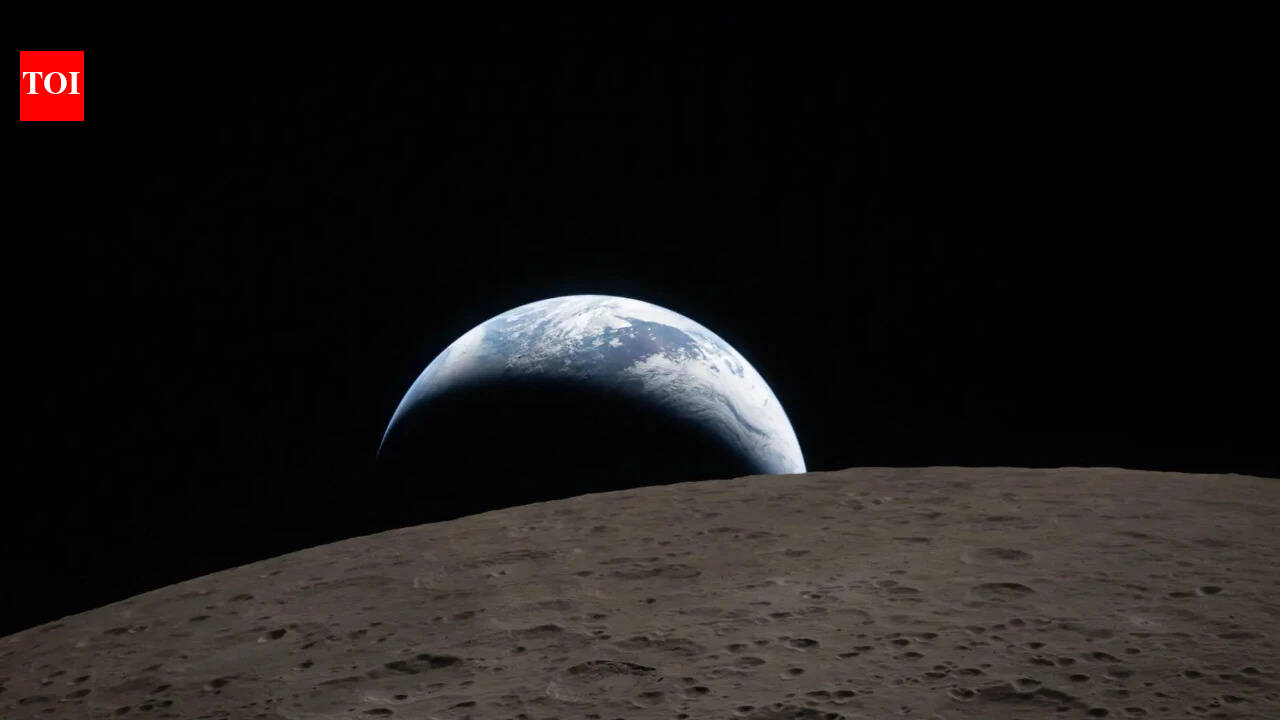
NASA has invited India to participate in the development of a permanent lunar base near the Moon's South Pole. While the invitation marks a significant international milestone, the specific parameters of India's role remain undefined as the program shifts from short-term visits to long-term habitation.
The Lunar Frontier: Analyzing NASA’s Invitation to India
NASA’s recent move to invite India into the fold for the development of a permanent lunar base marks a pivotal moment in international space cooperation. While the prospect of a sustained human presence on the Moon has moved from the realm of science fiction into active policy planning, the actual framework for India’s involvement remains in the early, formative stages. This transition from 'visiting' the Moon to 'staying' represents a fundamental shift in how humanity approaches celestial exploration, moving beyond the flags-and-footprints era of the Apollo missions toward a model of permanent habitation.
The Strategic Importance of the South Pole
The focus of this proposed base is the lunar South Pole, a region of immense scientific and strategic interest. Unlike the lunar equator, the South Pole is believed to harbor significant deposits of water ice within its permanently shadowed craters. This resource is critical for any long-term base; water can be processed into oxygen for breathing and hydrogen for rocket fuel, effectively turning the Moon into a refueling station for deeper exploration into the solar system. By targeting this region, NASA and its partners are looking to create a self-sustaining environment that minimizes the need for expensive logistics from Earth.
Defining India’s Role in the Artemis Era
Where exactly India fits into this ambitious architecture is the central question currently facing policymakers and space scientists. India’s recent advancements in lunar exploration, particularly the success of the Chandrayaan missions, have positioned the country as a formidable player in the global space sector. However, the invitation from NASA is currently broad in scope. Whether India will contribute through robotic infrastructure, life-support systems, or manned mission components is still a subject of deliberation. The collaboration suggests a recognition of India’s growing technical prowess and its potential to serve as a key pillar in a multi-national lunar coalition.
The Rationale for a Permanent Base
The drive to establish a permanent base is rooted in the necessity of sustained research and resource management. A base serves as a testbed for the technologies required for future missions to Mars and beyond. By staying on the Moon, humanity can better understand the effects of long-term exposure to low gravity and cosmic radiation on biological systems. Furthermore, building a lunar presence provides a platform for astronomical observations and geological studies that are impossible to conduct from the surface of Earth due to atmospheric interference.
Implications of the Invitation
For India, this invitation is a significant endorsement of its space program’s maturity. It signals a shift toward a more collaborative international landscape where the 'Moon race' is being replaced by a 'Moon partnership.' However, the lack of specific details regarding the partnership means that the relationship will likely evolve through iterative negotiations. India must now weigh the benefits of international integration against its own national space priorities and domestic technological objectives.
Future Trends in Lunar Exploration
Looking ahead, the development of a lunar base will likely be characterized by modular expansion and public-private partnerships. As NASA moves forward with its plans, the inclusion of international partners like India will be essential for sharing the immense financial and technical burdens of such an endeavor. The coming years will be defined by how these nations translate broad diplomatic invitations into concrete engineering specifications and mission timelines, ultimately determining if the Moon becomes the next home for humanity.