Lunar Eclipse August 2026: When to watch the August 27-28 event and what it means in astrology
Source Entity
Latest News: Todays Latest News Headlines from India & World | Hindustan Times | Hindustan Times
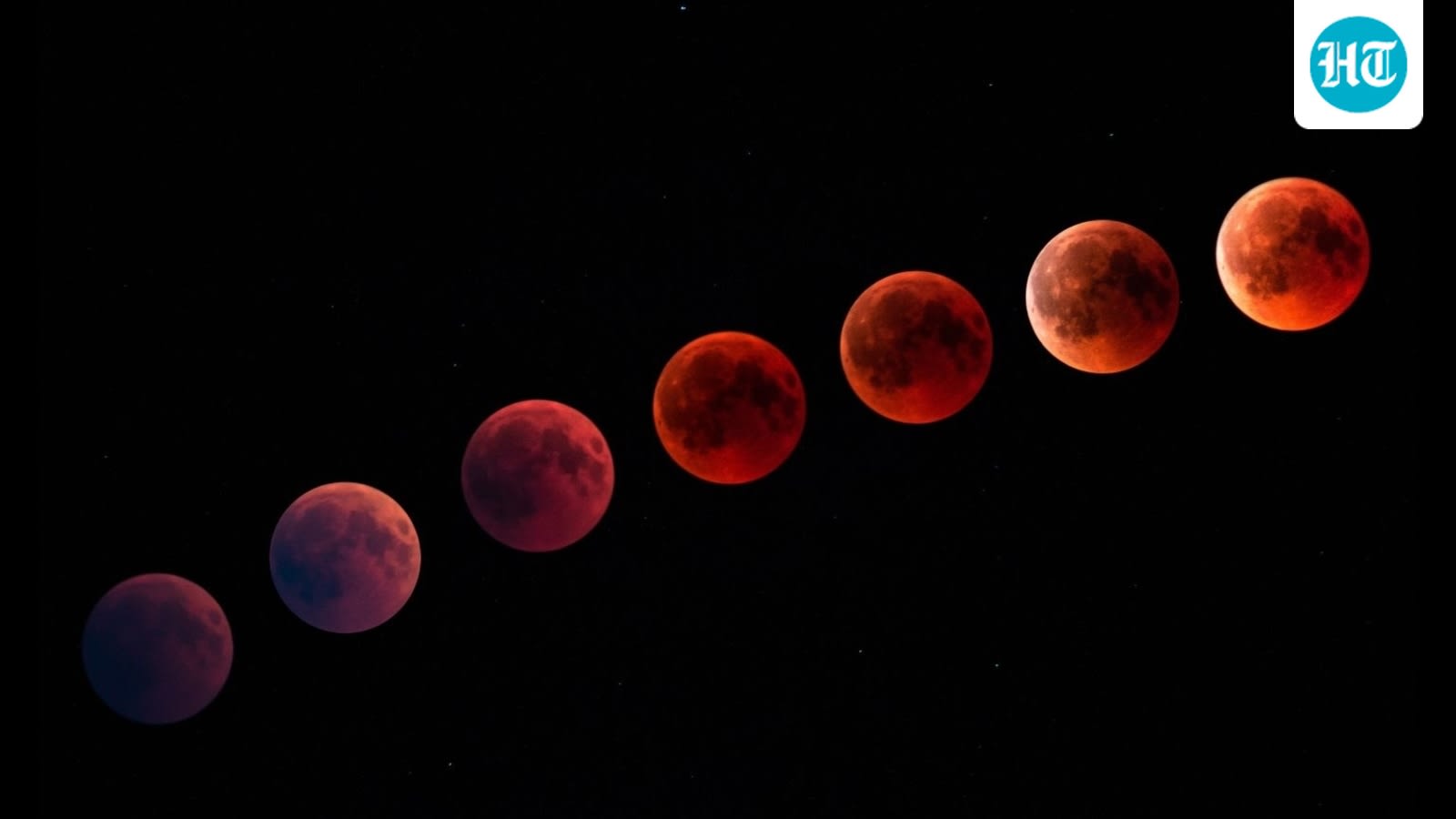
A partial lunar eclipse is scheduled for August 27-28, 2026, visible across the Americas, Europe, and Africa. NASA confirms the event peaks at 4:14 a.m. UTC on August 28, offering a safe, naked-eye viewing opportunity.
The Celestial Alignment of August 2026
On the night of August 27-28, 2026, observers across a significant portion of the globe will be treated to a partial lunar eclipse. According to data provided by NASA, this celestial phenomenon occurs as the Moon enters the Earth’s shadow, known as the umbra and penumbra, creating a darkened appearance on the lunar surface. Unlike total eclipses, a partial eclipse provides a unique visual experience where only a segment of the Moon is obscured, highlighting the orbital mechanics that govern our solar system.
Geographical Reach and Visibility
The event’s visibility is notably broad, spanning three major continents: the Americas, Europe, and Africa. For those residing in these regions, the primary requirement for successful observation is a clear sky, free from heavy cloud cover. Because lunar eclipses do not involve the intense radiation associated with solar events, they are entirely safe to view with the naked eye, making this an accessible event for amateur astronomers and the general public alike.
Technical Timing and Orbital Mechanics
Precision in celestial tracking allows NASA to pinpoint the "greatest eclipse" moment at 4:14 a.m. UTC on August 28, 2026. This timing is critical for observers who wish to witness the maximum coverage of the lunar disk. The event serves as a reminder of the consistent, predictable nature of lunar cycles, which have been documented for centuries to help humanity understand the Earth-Moon-Sun relationship.
Beyond Science: Cultural and Astrological Context
The anticipation surrounding this event extends beyond purely scientific inquiry. In many traditions, lunar eclipses are viewed as significant markers of change. Astrologers frequently suggest that such celestial alignments can influence human behavior or signify emotional turning points for various zodiac signs. While these interpretations remain outside the realm of empirical physics, they demonstrate the enduring cultural importance of celestial events in the human consciousness.
Conclusion: A Moment for Observation
The partial lunar eclipse of August 2026 stands as a major highlight for the astronomical community. Whether viewed through the lens of scientific curiosity, cultural significance, or simple aesthetic appreciation, the event offers a rare moment of global synchronization. With clear weather conditions, the 2026 eclipse promises to be a memorable occasion for millions of people across the globe.
Verification Required?