First human trials of designer protein therapies stun US neuroscientists
Source Entity
Hacker News
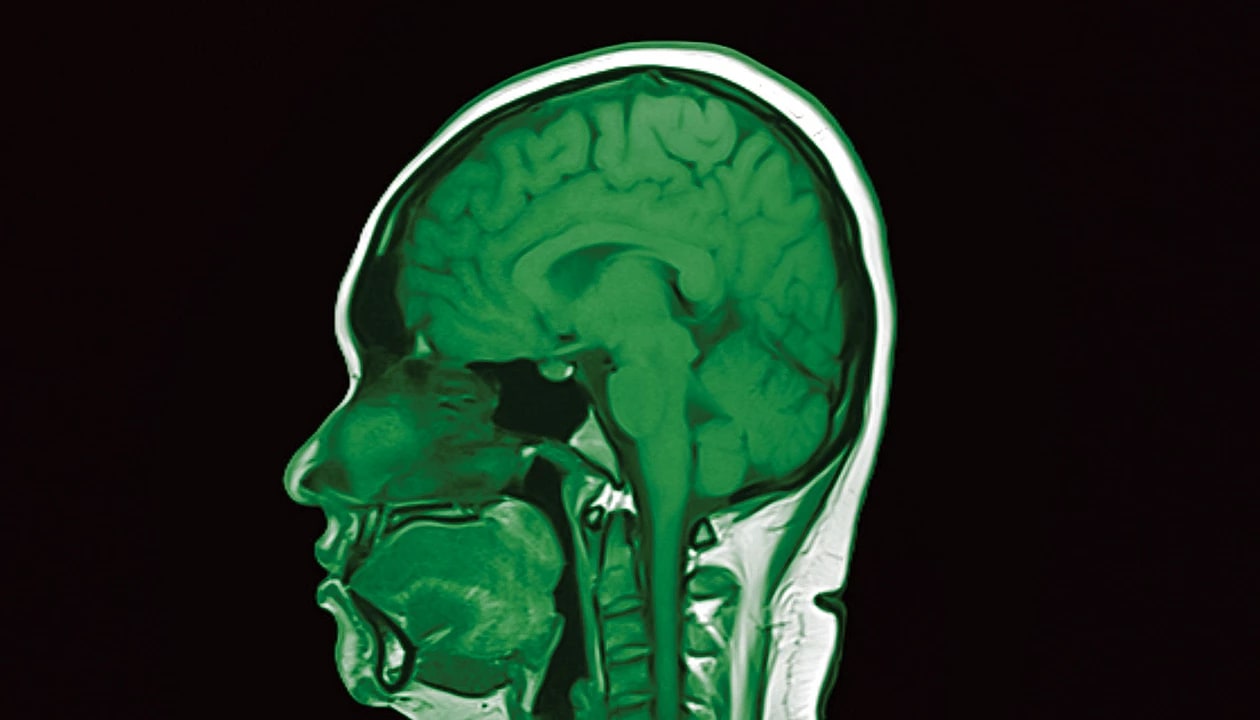
Researchers are surprised by the initiation of human clinical trials in China utilizing DREADD chemogenetic technology. This breakthrough, originally developed for neuroscience research, is now being explored as a potential therapeutic intervention for neurological conditions.
Breakthrough in Chemogenetic Medicine
The scientific community, particularly neuroscientists associated with the US National Institutes of Health (NIH) BRAIN Initiative, was recently met with a development that has sent ripples through the field of neurology. At a meeting in Bethesda, Maryland, Bryan Roth of the University of North Carolina School of Medicine disclosed that at least seven clinical trials involving chemogenetic therapies are currently underway in China. The revelation prompted a reaction described as "stunned silence," highlighting both the rapid pace of global medical innovation and the unexpected nature of this clinical application.
Understanding DREADDs and Designer Protein Therapy
At the heart of these trials is a technology known as DREADDs, or "designer receptors activated by designer drugs." Developed by Roth two decades ago, this technology allows scientists to manipulate specific cellular signaling pathways with high precision. By engineering receptors that do not respond to endogenous neurotransmitters but instead react to specific small-molecule drugs, researchers can theoretically gain fine-tuned control over neuronal activity. This level of precision has long been the "holy grail" of neuropharmacology, offering the potential to treat complex brain disorders without the systemic side effects typically associated with traditional drug therapies.
The Role of Clozapine in Current Trials
While the term "designer drug" is often associated with illicit substances, in this clinical context, it refers to the specific pairing of a synthetic receptor with a pharmacological agent. The Chinese trials are notably utilizing clozapine, a medication widely known for its established use in treating schizophrenia, as the activator for these designer receptors. This repurposing of an existing, well-understood drug to trigger a highly specific, engineered receptor demonstrates a pragmatic approach to clinical safety and efficacy, leveraging known safety profiles to test novel therapeutic mechanisms.
Implications for Global Neuroscience
The shift from laboratory models to human clinical trials marks a monumental transition for chemogenetic research. For years, DREADDs have been a staple in animal studies, providing researchers with the ability to turn specific neural circuits "on" or "off" to observe behavioral and physiological outcomes. The move to human testing suggests that developers believe they have sufficiently addressed the technical hurdles of gene delivery and receptor expression, which have historically been the primary barriers to translating this technology into clinical practice.
Future Trends and Ethical Considerations
As these seven trials progress, the global scientific community will be watching closely to see if the therapeutic benefits observed in animal models translate to human patients. If successful, this could usher in a new era of precision medicine for neurological and psychiatric conditions that have proven resistant to conventional pharmacological approaches. However, the unexpected acceleration of these trials also raises questions about regulatory oversight, the long-term safety of viral vector-mediated gene expression, and the ethical implications of permanently altering neuronal signaling pathways in human subjects.
Conclusion
The initiation of these human trials represents a watershed moment for neurotechnology. By moving from theoretical research to active human intervention, the Chinese clinical programs have accelerated the timeline for potential breakthroughs in brain health. While the scientific community remains cautious, the successful implementation of DREADDs in a clinical setting could redefine how we treat the most challenging neurological diseases, provided that rigorous data collection and ethical standards continue to guide the path forward.