‘Once I started zooming in, I never stopped’: the mesmerising art of macro photography
Source Entity
Lauren Lees and Safeerah Ahmed
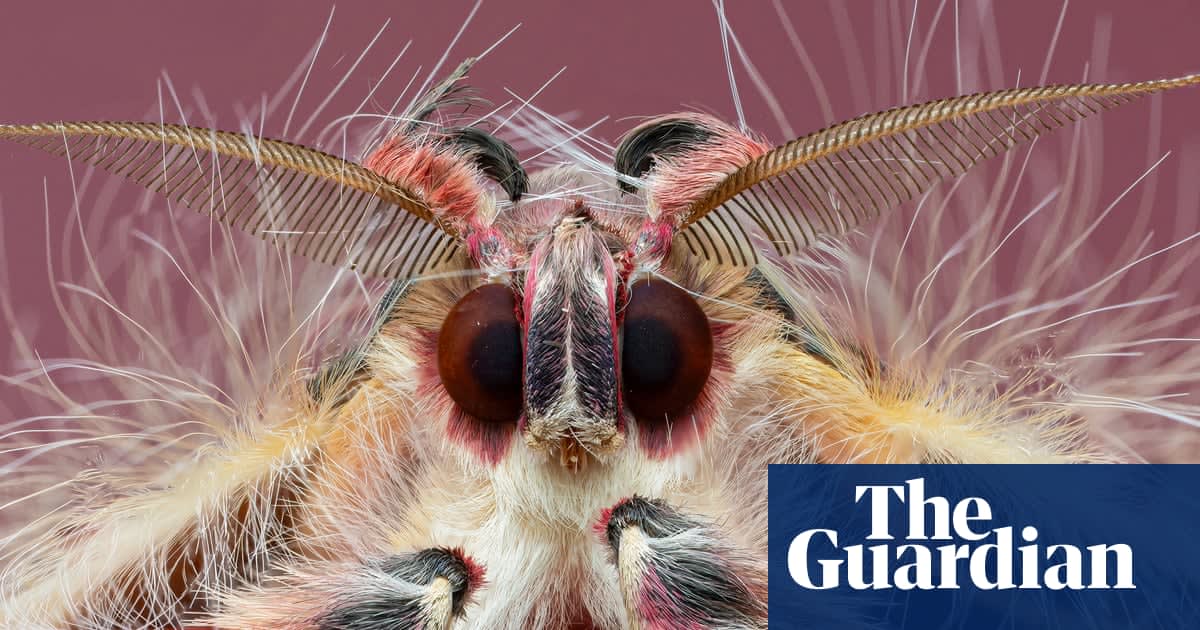
Macro photography is surging in popularity as photographers shift their focus to the intricate details of the insect world. Driven by technological accessibility and pandemic-era constraints, this demanding art form requires patience and specialized techniques.
The Rise of the Microscopic Lens: Exploring Macro Photography
Macro photography has emerged as a captivating discipline, shifting the focus of wildlife enthusiasts from expansive landscapes to the intricate, often overlooked details of the natural world. As noted by photographer Dara Ojo, the practice requires immense patience, often involving hours of waiting for subjects like insects to remain stationary. This transition toward extreme close-up imagery allows viewers to witness biological wonders, such as the complex facets of a fly’s eye or the precise geometric patterns found on a spider’s face.
The Catalyst for Growth
Several factors have contributed to the recent surge in macro photography's popularity. The global coronavirus pandemic served as a significant catalyst, forcing many photographers to abandon travel and instead explore the biodiversity within their own back gardens. This constraint transformed local environments into studios, proving that one does not need to travel to remote wilderness to encounter compelling subjects.
Technological Accessibility
Beyond the influence of the pandemic, the democratization of photography equipment has played a pivotal role. The availability of more affordable macro lenses and specialized gear has lowered the barrier to entry for amateurs and professionals alike. Previously, the high cost of high-magnification optics limited the field to a specialized few, but current market trends have allowed a new wave of 'macro influencers' to share high-fidelity imagery across social platforms, further fueling public interest.
The Technical Demands of the Craft
Macro photography is far from a simple point-and-shoot activity. It is a highly technical discipline that demands a deep understanding of optics and light. One of the primary techniques mentioned is 'focus stacking,' a method where multiple images are taken at different focal distances and then combined in post-processing to create a single, sharp image with an extended depth of field—a necessity when dealing with the razor-thin focus planes inherent to extreme magnification.
Challenges and Rewards
Despite the technical aids, the human element remains the most significant variable. The unpredictability of living subjects like insects means that photographers must balance their technical preparations with the reality of natural behavior. The prayer that a subject 'doesn't fly away' encapsulates the tension of the craft; it is a blend of scientific observation and artistic patience.
Future Trends in Macro Art
Looking forward, as camera sensor technology continues to improve in resolution and sensitivity, the potential for macro photography will likely expand further. We can expect to see an increase in citizen science contributions, where macro photographers provide researchers with high-resolution imagery of local insect populations. This evolution from pure art to a tool for ecological documentation highlights the broader significance of turning our lenses toward the small-scale wonders of the planet.