Wildfire smoke now bigger prenatal threat than human sources of air pollution
Source Entity
Liza Gross
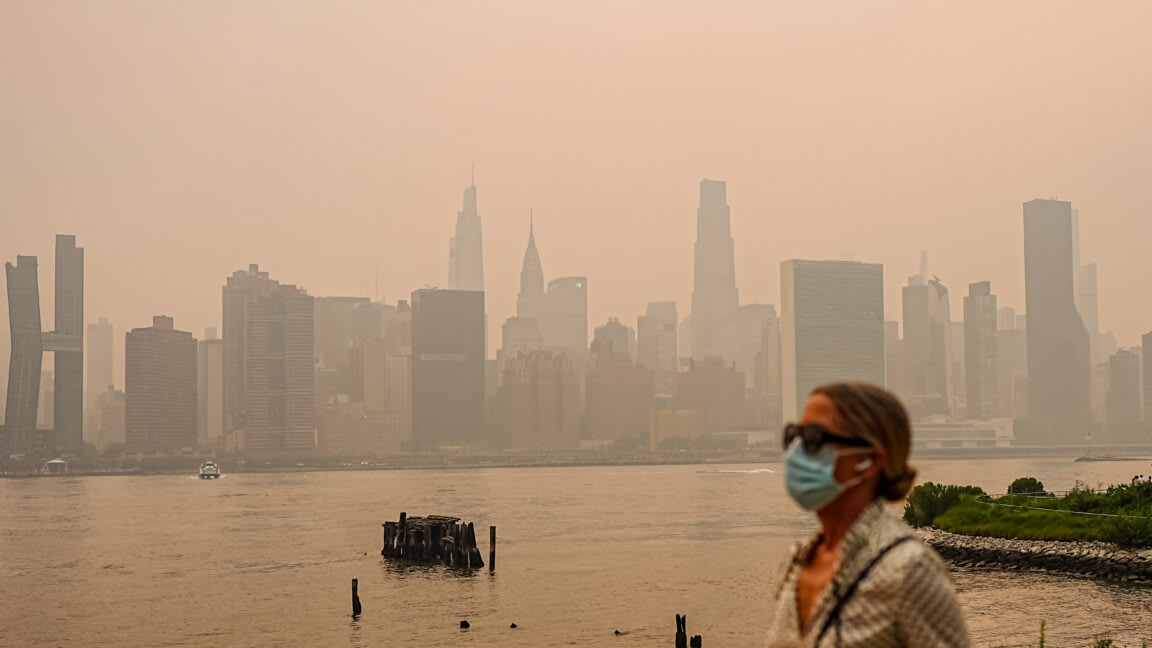
Wildfire smoke is negating decades of progress in reducing prenatal exposure to air pollution. Climate-driven environmental changes are making these fires more intense, posing a significant new health risk.
The Evolving Threat of Wildfire Smoke to Prenatal Health
For decades, the United States has focused its environmental policy on curbing industrial and vehicular emissions. Following a seminal 1965 presidential advisory report on climate and chemical pollution, the 1970 Clean Air Act became the cornerstone of national air quality efforts. This legislative framework successfully reduced the emission of six major pollutants by nearly 80 percent, marking a significant victory for public health and environmental protection.
The Erosion of Air Quality Gains
Despite these historical successes, the landscape of air pollution is shifting. Mounting scientific evidence indicates that the gains achieved through strict industrial regulations are being systematically erased by the rise of wildfire smoke. As the climate warms due to the unchecked burning of fossil fuels, environmental conditions have become significantly drier and warmer, creating a catalyst for more frequent and intense wildfire events.
Why Wildfire Smoke is Distinctly Harmful
Unlike controlled industrial emissions, which are subject to stringent filtration and regulatory oversight, wildfire smoke represents an uncontrolled, massive release of toxic particulates. Research now suggests that this smoke is not only more pervasive but potentially more harmful than traditional human-made pollution sources. The chemical composition of wildfire smoke, combined with its ability to blanket large communities, introduces a new, complex vector for public health risks that existing regulations were not designed to manage.
A New Frontier in Prenatal Risk
Recent findings specifically highlight that wildfire smoke has emerged as a significant threat to prenatal development. Historically, prenatal exposure to air pollution was successfully mitigated through industrial policy; however, the current climate crisis has introduced a volatile variable. This shift suggests that even as traditional emissions decline, the overall burden of toxic exposure for vulnerable populations, particularly pregnant individuals, is increasing.
Broader Implications and Future Trends
The intersection of climate change and public health policy represents a critical challenge for the coming years. If the current trajectory of climate warming continues, the intensity of wildfire seasons will likely remain high, further complicating efforts to protect environmental health. Policy makers and health officials face the daunting task of adapting public health strategies to account for these massive, unpredictable smoke events that transcend traditional regulatory boundaries.
Conclusion
In summary, while the legacy of the Clean Air Act remains a vital achievement in the history of American environmental regulation, it is being challenged by the climate-driven surge in wildfires. The evidence is clear: wildfire smoke is now a primary threat to prenatal health, eclipsing years of progress. Addressing this issue will require a dual approach that continues to regulate industrial sources while aggressively tackling the root causes of climate change to prevent the catastrophic wildfires that are currently redefining our air quality standards.