London bus drivers protest against sweltering working conditions
Source Entity
Latest News: Todays Latest News Headlines from India & World | Hindustan Times | Hindustan Times
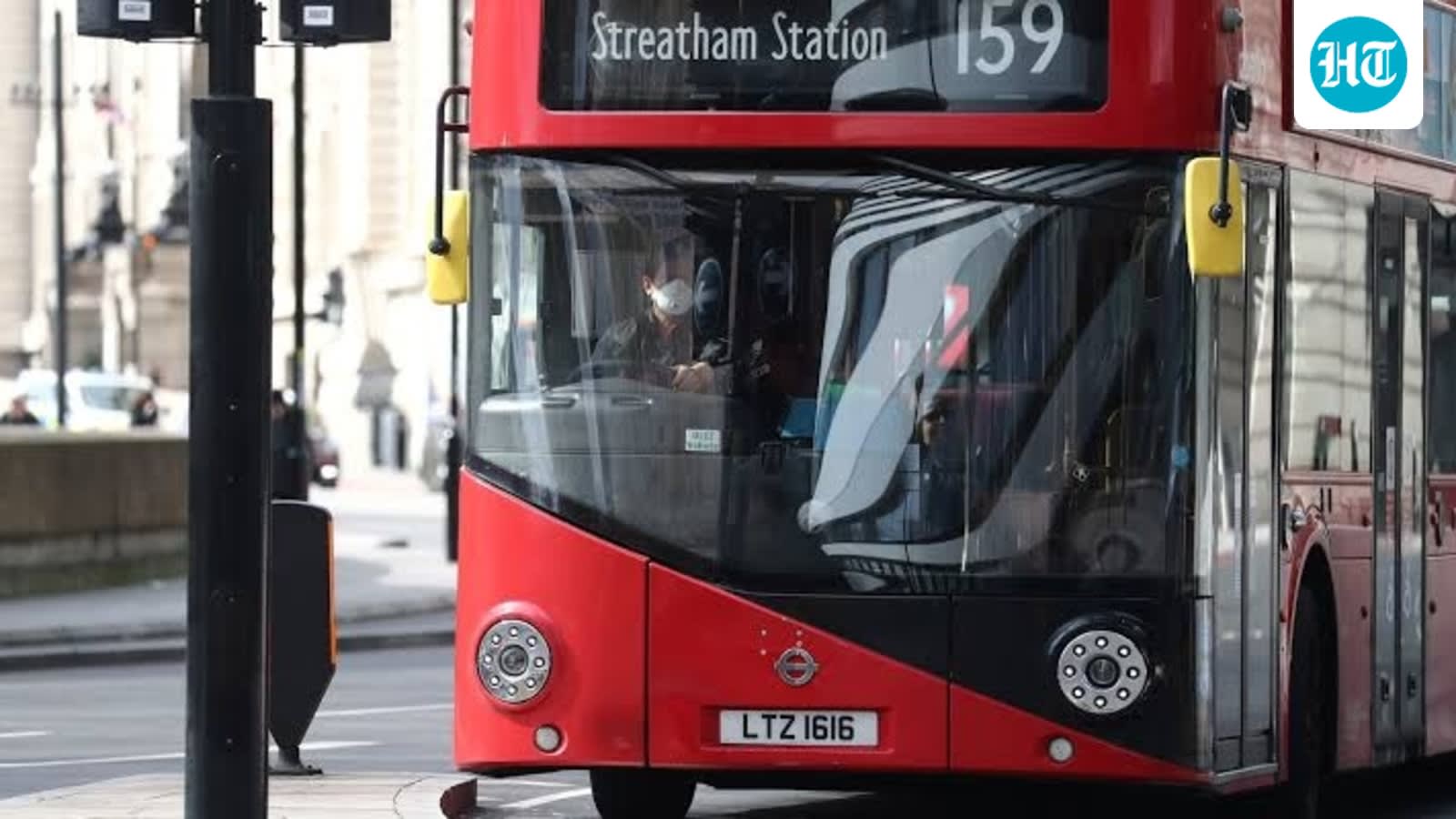
Over 1,500 London bus drivers are striking to protest dangerous working conditions caused by record-breaking cabin temperatures. The dispute highlights the lack of robust workplace protections against extreme heat in British labor law.
The Crisis of Climate in the Cockpit
As London faces unprecedented summer temperatures, a significant labor dispute has emerged within the city's transport sector. More than 1,500 bus drivers across north London and Essex have initiated strike action starting August 14th, citing dangerously high cabin temperatures that frequently reach 40°C. For these essential workers, the bus cabin has transformed from a workspace into a 'greenhouse on wheels,' posing severe health and safety risks that have finally reached a breaking point.
The Disparity in Transit Infrastructure
While commuters suffer through the heat during their relatively short journeys, they have the luxury of exiting the sweltering environment upon reaching their destination. In contrast, drivers are confined to these extreme temperatures for the duration of a full shift. The disparity is exacerbated by the inconsistent nature of London’s transit infrastructure; while select Underground and Overground lines feature modern air conditioning, the vast majority of the bus fleet remains unequipped to handle the escalating frequency of record-breaking heatwaves.
Legal Lacunae and Workplace Hazards
At the heart of this conflict lies a systemic issue regarding British labor regulations. Although heat is officially classified as a hazard under British law, the practical protections for workers facing these conditions remain remarkably thin. This legal ambiguity leaves employees with little recourse when temperatures soar, forcing unions to turn to industrial action as the primary tool to demand safer working environments and better climate control standards.
Broader Implications for Urban Labor
This strike serves as a bellwether for the broader challenges of urban labor in a warming climate. As extreme weather events become the new normal, the traditional definition of workplace safety is being challenged. Transport providers are now facing pressure to retrofit aging fleets or accelerate the procurement of climate-controlled vehicles to ensure the safety of their staff, who are currently bearing the brunt of a changing environment.
Future Trends and Concluding Thoughts
Looking ahead, the outcome of this strike may set a critical precedent for how public transport operators manage occupational health in the UK. If the demands for improved cooling systems are met, it could trigger a massive capital investment requirement across the transit industry. Ultimately, this movement underscores the urgent need for a regulatory framework that explicitly mandates temperature limits for workers, ensuring that public service does not come at the cost of personal health.
Verification Required?