Bank unions call off 3-day strike after assurances, IBA to study demands
Source Entity
TNN
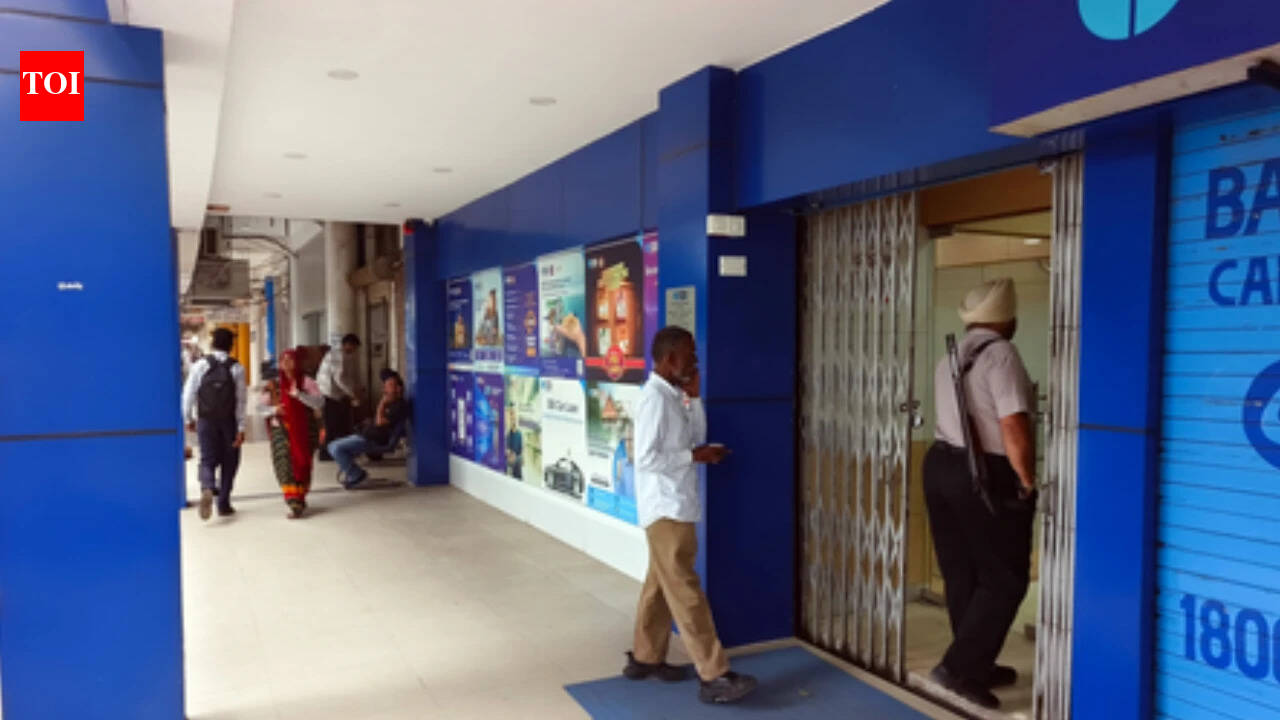
Bank unions have deferred a planned three-day nationwide strike following an agreement with the Indian Banks' Association. A high-level committee will now be formed to negotiate the demand for a five-day work week.
Nationwide Bank Strike Deferred: A Path Toward Consensus
The banking sector in India narrowly avoided significant disruption this week as the United Forum of Bank Unions (UFBU) decided to defer a planned three-day nationwide strike scheduled for September 28 to 30. This development follows a critical late-night meeting on Sunday, September 27, between the UFBU and the Indian Banks' Association (IBA). The strike, which threatened to halt banking operations across the country, was called off after both parties reached a mutual understanding regarding the contentious demand for a five-day work week.
The Core Conflict: The Five-Day Work Week
At the heart of the labor dispute is the demand from bank employees to shift to a five-day working week, which would effectively render all Saturdays as holidays. This request has been a long-standing point of contention between the unions and the management body. The unions argue that a five-day work week is necessary to improve the work-life balance of employees who handle significant pressure in the financial sector. Conversely, management has historically navigated the challenge of ensuring service continuity for customers who rely on physical bank branch availability.
The Role of the High-Level Committee
To address this deadlock, the IBA and UFBU have agreed to form a high-level committee with immediate effect. This committee is tasked with exploring all possible alternatives to reconcile the unions' demands with operational requirements. The formation of this body marks a shift from confrontation to negotiation, signaling that both sides recognize the potential economic impact of a prolonged strike. The committee’s mandate includes consulting with all stakeholders to ensure that any proposed changes are sustainable and acceptable to the public.
Prioritizing Customer Experience
An essential component of the agreement is the explicit commitment to the banking public. The UFBU circular emphasized that the committee's work must result in a solution that is acceptable not only to the unions and the IBA but, more importantly, to the customers. This acknowledgment addresses the broader concern regarding how labor strikes often disproportionately affect retail customers and small businesses, potentially causing temporary liquidity or service issues during banking closures.
Future Implications for the Banking Sector
This deferral sets a precedent for how industrial relations in the Indian banking sector may be handled moving forward. By choosing a committee-led dialogue over a work stoppage, the IBA and UFBU have opened a window for a constructive policy shift. If the committee succeeds in finding a middle ground, it could lead to a permanent restructuring of bank working hours, potentially modernizing the industry's approach to human resources and productivity.
Conclusion
As banks resumed normal operations on Monday, the immediate threat of a nationwide service shutdown was successfully neutralized. The success of this high-level committee will now be the primary metric for stability in the coming months. Whether this leads to the implementation of a five-day work week or a compromise remains to be seen, but the decision to defer the strike underscores the power of direct negotiation in resolving complex labor disputes in India's essential services sector.