A Okhla studio takes carpets off the floor, turns them into walls, ceilings and art
Source Entity
Anusree K C
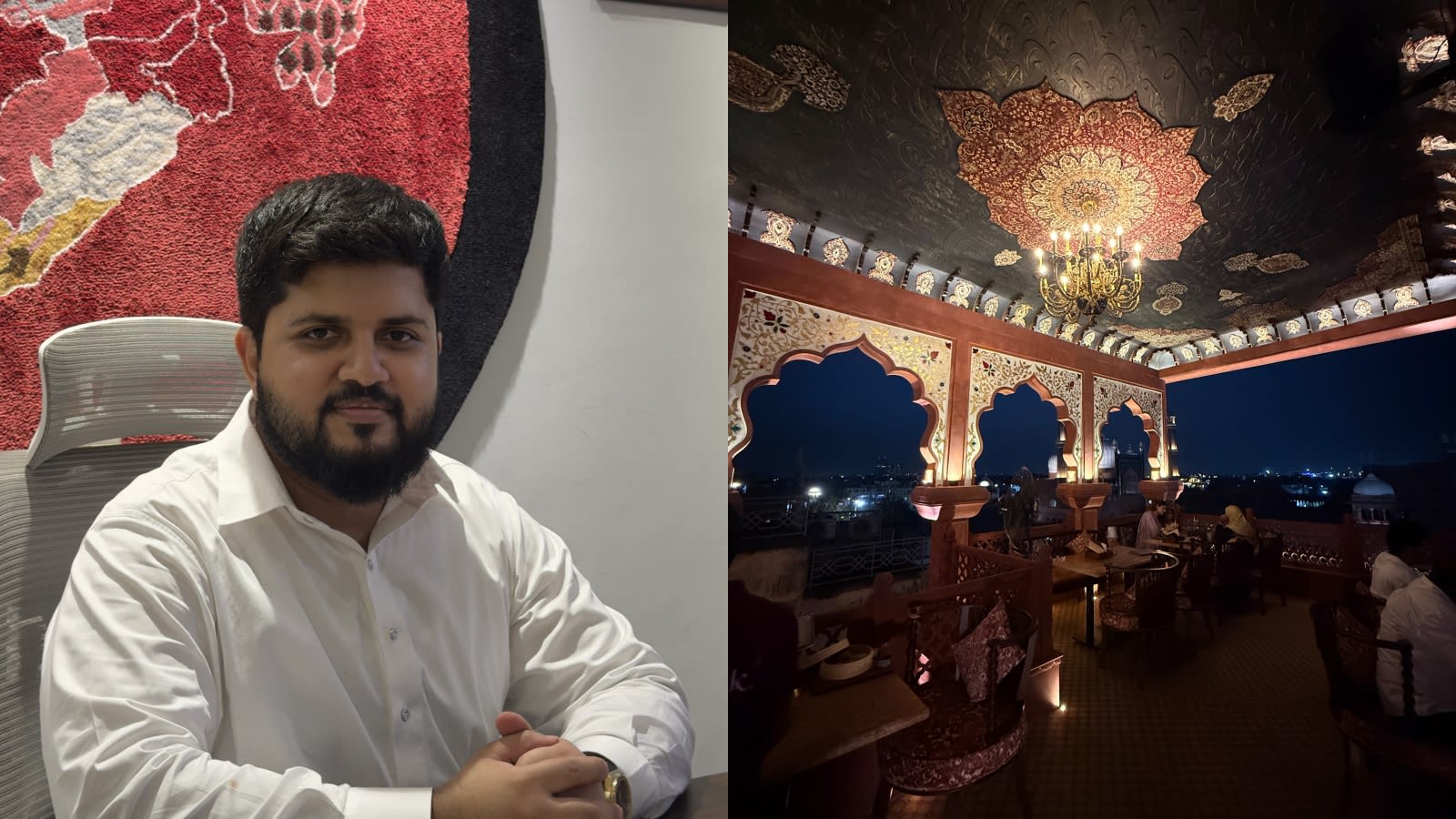
A creative studio named Qaleen Bhaiyya in Okhla is redefining interior design by repurposing traditional carpets into wall art, ceiling installations, and decor. This innovative approach blends craftsmanship with modern aesthetics to transform commercial spaces like cafes.
Redefining Traditional Craft: The Qaleen Bhaiyya Innovation
In the heart of the bustling Okhla market, a creative endeavor known as Qaleen Bhaiyya is challenging conventional perceptions of interior decor. By transitioning carpets from their traditional role as floor coverings to sophisticated wall and ceiling installations, the studio is carving out a unique niche in the artisanal design market. This shift not only repurposes textile materials but also recontextualizes them as structural art, a practice recently exemplified by their work at the Mushk Cafe in Old Delhi.
The Mechanics of Textile Transformation
The process involves meticulous labor, requiring artists to work on scaffolding to integrate heavy textile pieces onto unconventional surfaces like ceilings. By cutting intricate designs from carpets and mounting them onto walls, the studio creates a layered, tactile environment. These installations are further enhanced with calligraphy, paintings, and gold detailing, proving that the studio views the carpet as a canvas rather than a mere utility item. This fusion of traditional weaving art with contemporary spatial design reflects a growing trend in interior architecture that prioritizes bespoke, texture-heavy aesthetics.
Scaling an Artisanal Business Model
Qaleen Bhaiyya’s growth trajectory highlights the challenges and successes of small-scale creative enterprises. Starting as a basement operation in February of last year, the studio quickly scaled through multiple locations, eventually settling into a larger storefront. This rapid expansion suggests a strong market demand for customized, high-concept decor that moves beyond mass-produced interior solutions. Their business model relies on site-specific designs, where each installation is tailored to the geometry and atmosphere of the client’s space.
Cultural Context and Design Evolution
Historically, carpets have served as functional, often ornate elements in Indian architecture, typically reserved for horizontal surfaces. By elevating these textiles to walls and ceilings, Qaleen Bhaiyya is participating in a broader movement of design disruption. This practice mirrors international trends in 'soft architecture,' where textiles are used to improve acoustics, provide warmth, and create immersive visual environments. The application of gold detailing and calligraphy also anchors the studio’s work within the rich artistic heritage of the region, bridging the gap between historical craftsmanship and modern commercial interiors.
Future Trends and Market Implications
As urban spaces continue to evolve, the demand for unique, experiential interior design is likely to rise. Studios like Qaleen Bhaiyya are well-positioned to capitalize on this by offering bespoke services that turn functional spaces into curated art installations. Moving forward, the integration of artisanal textile work into commercial architecture may become a standard for businesses seeking to create a distinct brand identity. The success of this Okhla-based studio serves as a case study in how traditional materials can be successfully pivoted to meet the demands of a modern, design-conscious demographic.