National highway cut off; 16 airlifted by IAF as floods worsen in Bastar
Source Entity
Jayprakash S Naidu
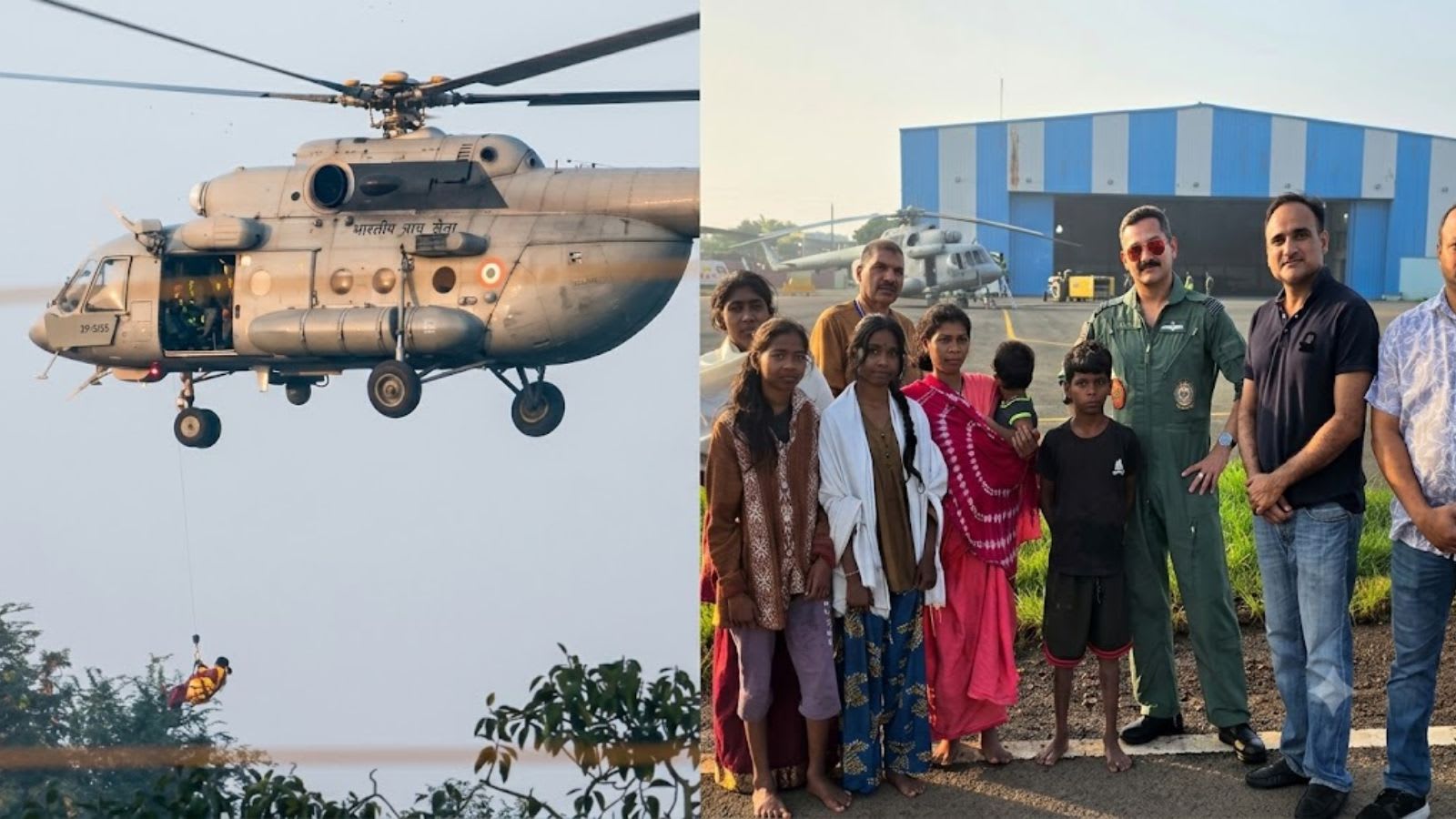
Severe flooding in Chhattisgarh’s Bastar region has cut off major highways and villages following heavy rains from cyclonic storm Arnab. The IAF has launched rescue operations, airlifting 16 stranded individuals as water levels in the Indravati river surpassed danger marks.
Crisis in Bastar: Cyclonic Storm Arnab Triggers Massive Flooding
The Bastar region of Chhattisgarh is currently grappling with a severe humanitarian and infrastructural crisis following relentless heavy rainfall between September 23 and 26. The deluge, exacerbated by the influence of cyclonic storm 'Arnab' originating over the Bay of Bengal, has resulted in the Indravati river breaching its danger mark by a significant margin. Reports indicate the river peaked at 12.39 meters, far exceeding its 8.3-meter danger threshold, leading to widespread displacement and damage.
Infrastructure Collapse and Isolation
The immediate impact of the rising water levels has been the total severance of critical transport arteries. National highways connecting the region have been cut off, effectively isolating multiple districts and numerous villages. This geographical entrapment has rendered traditional ground-based relief efforts difficult, forcing authorities to rely on aerial support to reach the most vulnerable populations trapped by the rising currents.
The Role of Dam Releases and Meteorological Factors
Compounding the natural disaster caused by the cyclonic storm, the flooding was intensified by the release of water from the Khatiguda and Muran dams in neighboring Odisha. This rapid influx of water into the Indravati basin, coinciding with peak rainfall, created a catastrophic surge. The synergy between meteorological events and water management decisions highlights the vulnerability of the region’s drainage systems during extreme weather events.
Emergency Response and Humanitarian Impact
In response to the critical situation, the Indian Air Force (IAF) was deployed to conduct urgent rescue operations. The IAF successfully airlifted 16 individuals who were stranded by the floodwaters, providing a vital lifeline to those unable to evacuate via conventional means. Despite these efforts, the situation remains dire, with officials confirming at least one fatality due to drowning, underscoring the lethal nature of the flash flooding.
Future Implications and Climate Resilience
This event serves as a stark reminder of the increasing frequency and intensity of weather anomalies in central India. As climate patterns shift, the region faces the recurring challenge of balancing reservoir management with unpredictable rainfall. Moving forward, the disaster necessitates a comprehensive review of local flood mitigation strategies, early warning systems, and inter-state coordination regarding dam water discharge to prevent similar catastrophes in the future.
Conclusive Summary
The flooding in Bastar is a multi-faceted disaster driven by the convergence of cyclonic activity and reservoir management. With highways severed and villages submerged, the focus remains on rescue and stabilization. The successful evacuation of 16 citizens by the IAF underscores the effectiveness of emergency response protocols, yet the loss of life and the scale of isolation emphasize the urgent need for enhanced disaster preparedness in the face of escalating climate-driven risks.