Ex-Pakistan batter calls India 'arrogant' as he defends Mohsin Naqvi
Source Entity
PRANAV SHUKLA
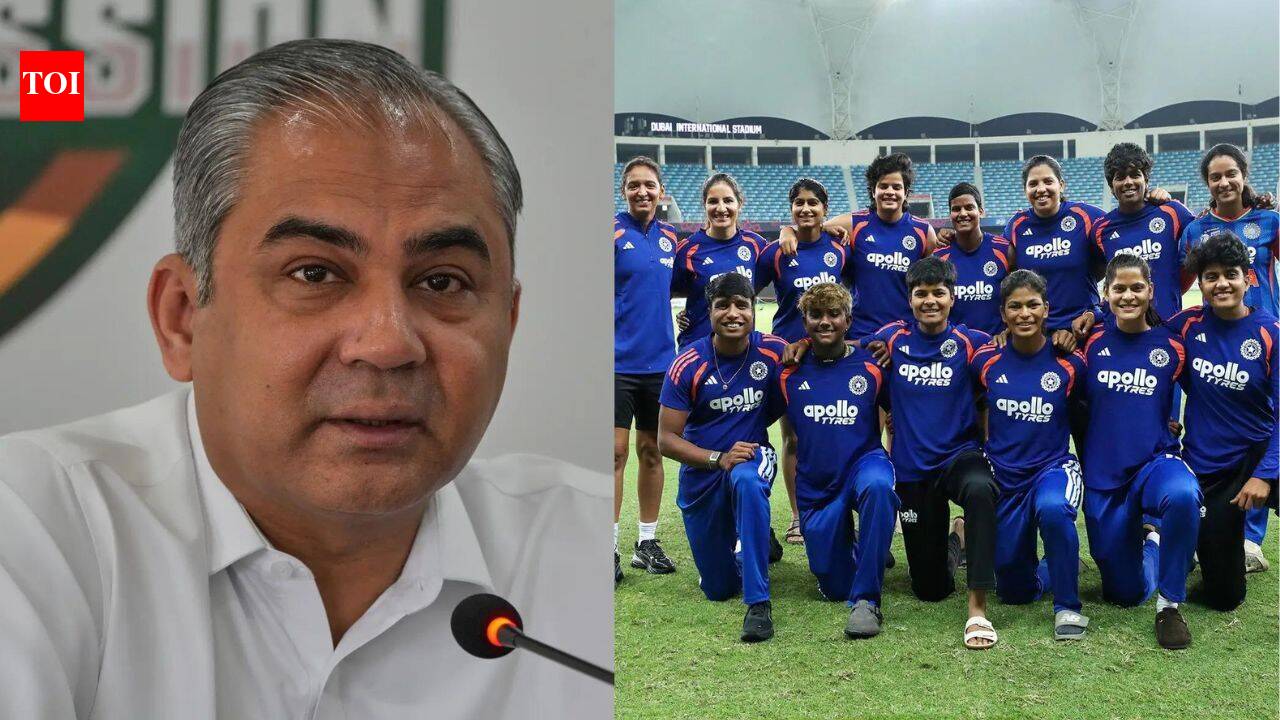
The BCCI has challenged the ACC's trophy presentation protocols following the Indian cricket teams' refusal to accept awards from Mohsin Naqvi. This stance, rooted in solidarity regarding regional security concerns, has sparked broader debate, including dismissive commentary from cricket legend Kapil Dev.
The Asia Cup Protocol Impasse: A Deep Dive
The Core Conflict: BCCI vs. ACC
The recent Asia Cup trophy presentation controversy has highlighted a deepening rift between the Board of Control for Cricket in India (BCCI) and the Asian Cricket Council (ACC). BCCI representative Devajit Saikia has publicly questioned the ACC's decision to mandate specific trophy presentation norms, revealing that the Indian contingent had formally requested an alternative handover process. This administrative friction underscores a broader diplomatic challenge within continental cricket governance, where protocol clashes with the board's internal policy decisions.
Solidarity and Security Concerns
The roots of this standoff lie in a deliberate stance taken by Indian cricket teams. Following the Pahalgam terror attack, which was linked to Pakistan, the Indian men's team made a conscious decision to abstain from the traditional podium presentation and refused to engage in handshakes with their Pakistani counterparts. This policy, initiated in 2025, was adopted by the Indian women's team during their recent Asia Cup victory. By refusing to accept the trophy from ACC President Mohsin Naqvi, both teams have maintained a consistent, unified position regarding their interactions with the council leadership.
A Pattern of Diplomatic Friction
This is not an isolated incident but a continuation of an ongoing impasse. The 2025 men's Asia Cup and the 2026 women's Asia Cup both saw identical scenes at the Dubai International Stadium. In both instances, the decisions were made well in advance of the ceremonies, signaling that the refusal is a calculated move rather than a spontaneous reaction. This reflects a significant breakdown in the expected decorum of continental tournament celebrations, turning the podium into a site of geopolitical signaling.
Public and Expert Reaction
The controversy has drawn varied reactions from within the sporting fraternity. Kapil Dev, the legendary 1983 World Cup-winning captain, offered a dismissive take on the matter. Speaking on the sidelines of the Nava Raipur Open 2026 golf tournament, the PGTI President appeared to distance himself from the cricket board's political maneuvering, suggesting that athletes should perhaps focus on other sports like golf. His comments highlight the divide between those who see sport as a vehicle for national sentiment and those who prefer to keep the two spheres strictly separated.
The Competitive Context
Amidst the political tension, the on-field rivalry between India and Sri Lanka has reached a new peak. The two nations have emerged as the dominant forces in the Women’s Asia Cup, meeting in their third successive final in 2026. While India remains a formidable power, the competitiveness of these matches—spanning from the 2022 victory in Sylhet to Sri Lanka's 2024 upset in Dambulla—demonstrates that the regional cricketing landscape remains highly volatile. The focus on the trophy ceremony, unfortunately, threatens to overshadow these significant athletic achievements.
Future Implications for Asian Cricket
The future of the Asia Cup, and perhaps the ACC itself, faces uncertainty if these procedural disputes continue. As the BCCI continues to challenge the ACC's governance norms, the council faces the difficult task of reconciling the demands of its most powerful member board with the established protocols of international cricket. Unless a diplomatic breakthrough is achieved, the spectacle of trophy presentations may remain a point of contention for the foreseeable future, potentially affecting the commercial and social harmony of the tournament.
Multiple Citing Sources