Japan prepares ground for T20 with India, Sri Lanka pitches in, and sponsors line up
Source Entity
Venkata Krishna B, Shuvaditya Bose
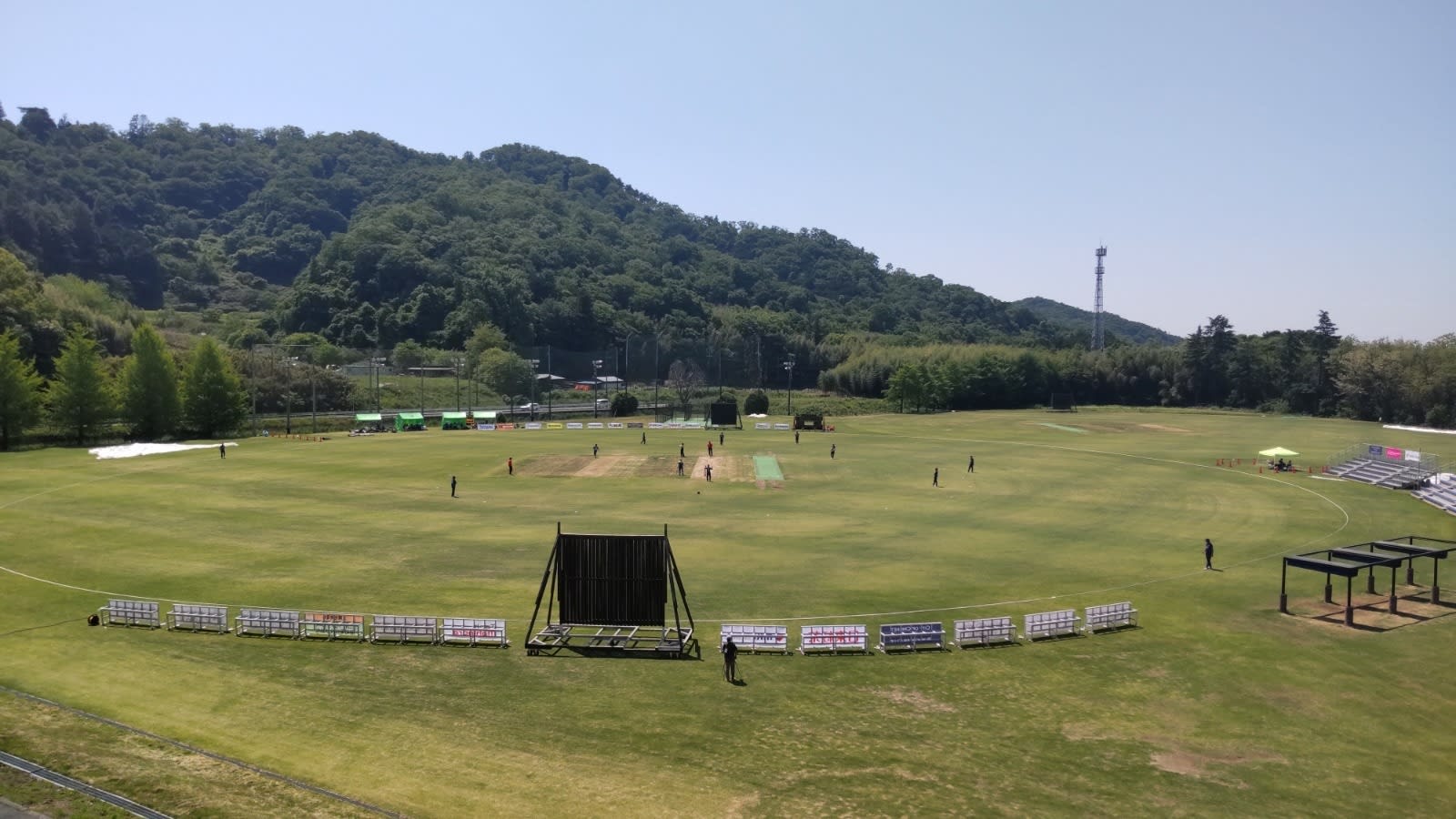
India and Japan are set to play a historic T20 International match on September 22 at the Sano International Cricket Ground. This event celebrates 75 years of diplomatic ties between the two nations following high-level bilateral discussions.
A New Chapter in India-Japan Sports Diplomacy
The upcoming T20 International match between India and Japan, scheduled for September 22 at the Sano International Cricket Ground, represents a significant milestone in the deepening strategic and cultural partnership between the two nations. Located approximately 100 kilometers from Tokyo, this match is more than just a sporting contest; it serves as a symbolic bridge built upon the foundation of 75 years of diplomatic relations.
The Genesis of the Exchange
The seeds for this unique sporting collaboration were sown earlier this year in January, when External Affairs Minister S. Jaishankar and his Japanese counterpart, Toshimitsu Motegi, engaged in a symbolic exchange of cricketing gifts. The presentation of the Japan cricket team’s pink jersey by Motegi and an autographed Indian cricket bat by Jaishankar underscored a mutual desire to leverage the popularity of cricket to foster interpersonal connections between the two countries.
Strategic Alignment and High-Level Support
This match is the direct result of high-level diplomatic efforts, specifically following the meeting between Prime Minister Narendra Modi and Japanese Prime Minister Sanae Takaichi in July. By integrating sports into their diplomatic agenda, both leaders are acknowledging that soft power initiatives are essential in maintaining the momentum of their long-standing bilateral relationship. The involvement of top-tier talent, with Team India led by Shreyas Iyer and the Japan team captained by Kendel Kadowaki-Fleming, elevates the event’s profile.
The Significance of the Sano Venue
The selection of the Sano International Cricket Ground as the host venue is noteworthy. It highlights Japan's commitment to developing cricket infrastructure, a sport that is traditionally niche in the country. By hosting an international team of India’s caliber, Japan is signaling its ambition to expand the footprint of the game within its borders and integrate further into the global cricketing community.
Future Trends in Bilateral Relations
Looking ahead, the success of this T20 event could set a precedent for more frequent sporting exchanges. As the two nations continue to navigate complex geopolitical landscapes, such cultural initiatives provide a stable platform for public engagement. The involvement of corporate sponsors further suggests that this event is viewed as a viable commercial and promotional opportunity for both parties, potentially paving the way for sustained investment in Japan's cricket ecosystem.
Conclusion: A Lasting Legacy
In summary, the India-Japan T20 match is a testament to the versatility of modern diplomacy. By moving beyond traditional trade and security agreements to include the grassroots appeal of cricket, India and Japan are ensuring that their 75-year-old relationship remains vibrant and relevant to the younger generation in both countries.