Beed Sarpanch murder: ‘Scoring good marks not grounds for bail’, says court & rejects engineering graduate’s plea
Source Entity
Sadaf Modak
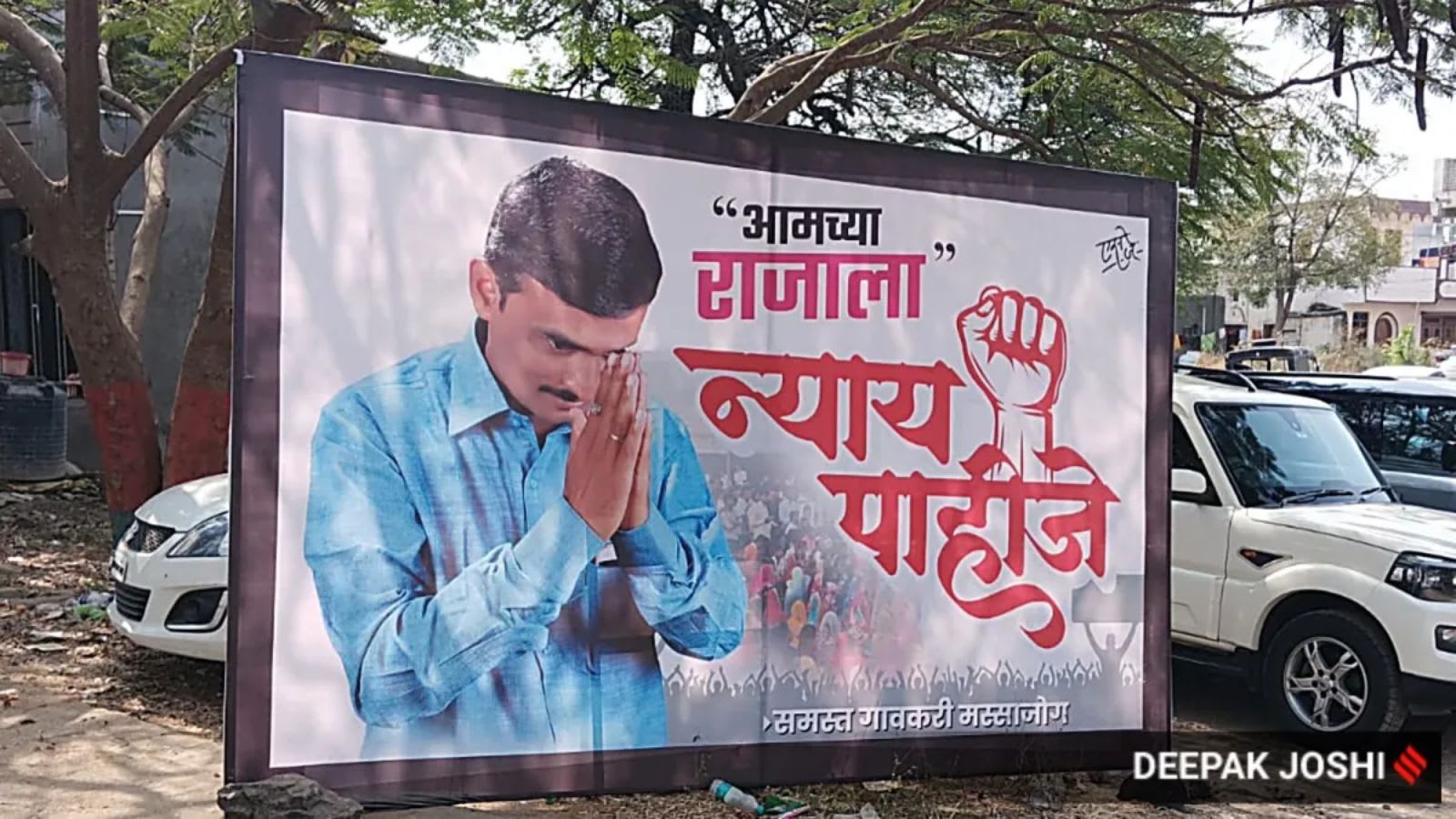
A court in Beed has rejected the bail plea of an engineering graduate accused of murdering Sarpanch Santosh Deshmukh. The court explicitly stated that academic achievement and good marks are not valid grounds for granting bail in a severe case involving murder and extortion related to a windmill project.
Justice Over Merit: Analysis of the Beed Sarpanch Murder Case
The recent judicial decision in the Beed district regarding the murder of Sarpanch Santosh Deshmukh serves as a stark reminder of the intersection between local governance, criminal extortion, and the impartiality of the Indian legal system. On December 9, 2024, Santosh Deshmukh was brutally assaulted and killed after he attempted to intervene in an extortion attempt targeting a windmill project. This incident highlights the precarious position of rural leaders who find themselves at odds with criminal elements attempting to capitalize on infrastructure development in Maharashtra.
The Catalyst: Infrastructure and Extortion
At the heart of this tragedy is a windmill project, representing the broader push toward renewable energy in rural India. While such projects bring economic potential to regions like Beed, they often become flashpoints for local conflicts. Extortion bids are frequently linked to the procurement of land, permits, or construction contracts. In this instance, Sarpanch Deshmukh’s role as a community leader placed him in a position of responsibility to protect the project and the community from illegal demands. His decision to stand against these extortionists ultimately led to a fatal confrontation, illustrating the high risks associated with upholding the law in areas where 'strongman' tactics often prevail.
The Legal Contention: Academic Merit vs. Criminal Gravity
One of the most striking aspects of this case is the identity of the accused—an engineering graduate. During the bail application process, the defense attempted to leverage the accused's educational background and academic record, suggesting that his status as a high-scoring student should be considered a mitigating factor or evidence of a character that does not warrant prolonged detention. This strategy is not uncommon in legal defenses where the accused's 'potential' or 'social standing' is used to argue that they are not a flight risk or a danger to society.
The Court's Decisive Stance
The court's rejection of the bail plea was definitive, with the presiding judge stating that "scoring good marks is not grounds for bail." This ruling is analytically significant because it reinforces the principle that academic achievement does not grant immunity or leniency in the face of heinous crimes. By decoupling educational success from legal eligibility for bail, the court sent a clear message: the gravity of the crime—murder and attempted extortion—far outweighs any personal or professional credentials the accused may possess. This prevents the creation of a perceived 'elite' class of criminals who might use their degrees to bypass the rigors of the judicial process.
Broader Implications for Rural Governance
This case underscores the systemic vulnerability of the Gram Panchayat system. Sarpanches are the primary interface between the state and the rural populace. When these officials are targeted for killing while performing their duties or protecting public interests, it creates a chilling effect on local governance. If leaders fear for their lives when opposing extortion, the integrity of rural administration collapses, allowing criminal syndicates to dictate the terms of local development. The Beed incident is a symptom of a larger struggle where the rule of law clashes with localized power structures.
Future Trends and Conclusion
Moving forward, this case is likely to be cited as a precedent in trials where the 'merit' of the accused is used as a shield for violent offenses. It emphasizes a shift toward a more stringent application of the law where the nature of the act is the sole primary consideration for bail in violent crimes. Furthermore, the incident may spark calls for increased security for rural elected representatives who oversee high-value infrastructure projects.
In summary, the murder of Santosh Deshmukh is a grim reflection of the dangers inherent in rural development projects. However, the court's refusal to be swayed by the accused's academic record ensures that the pursuit of justice remains blind to social or educational status, upholding the core tenet that no amount of academic success can excuse or mitigate the act of taking a human life.