Man denied boarding over name mismatch, airline, travel company told to pay Rs 78,920
Source Entity
Ashish Shaji
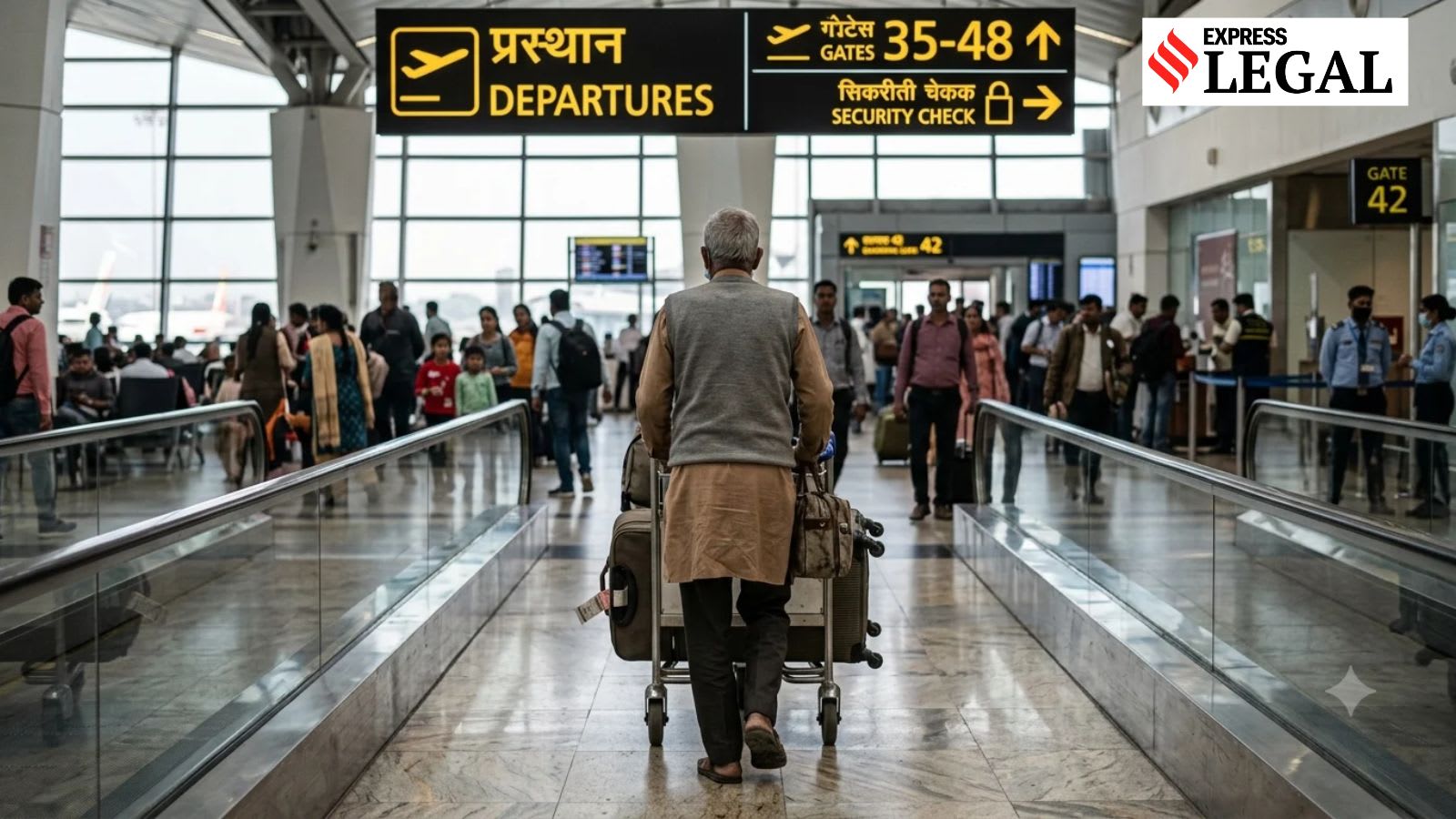
A Bengaluru consumer commission has ordered an airline and travel agency to compensate a passenger Rs 78,920 for a denied boarding incident. The ruling highlights deficiency in service due to a name discrepancy error on the airline's guest list.
Consumer Commission Rules Against Airline and Travel Agency
A Bengaluru consumer commission has delivered a landmark ruling, ordering a travel company and an airline to jointly pay Rs 78,920 to a passenger denied boarding on a return flight from Newark to Delhi. This incident, centered on an alleged name discrepancy, serves as a stark reminder of the complexities involved in international air travel documentation and the accountability of service providers.
The Anatomy of the Error
The core of the dispute lies in the inconsistency of the passenger's experience. According to the commission, the passenger had successfully traveled from Delhi to the US using the same ticket and PNR details. The subsequent denial of boarding on the return flight was attributed to an internal error within the airline's guest list, which featured a misentered name. This discrepancy highlights the fragility of digital booking systems where a single data entry error can lead to significant logistical and financial distress for travelers.
Defining Deficiency in Service
The bench, led by in-charge President V Anuradha, alongside members H Janardhan and Sharavathi S M, did not merely focus on the initial error. They specifically highlighted the refusal to provide a refund as a major point of contention. By classifying the withholding of funds as both a "deficiency in service" and an "unfair trade practice," the commission has set a clear precedent that service providers cannot hide behind internal administrative blunders to evade financial responsibility toward their customers.
Broader Implications for Consumer Rights
This ruling underscores the evolving nature of consumer protection in India’s aviation sector. As passengers increasingly rely on third-party travel agencies to coordinate international itineraries, the lines of accountability often blur. By mandating a joint payment, the commission ensures that both the booking platform and the carrier are held responsible for the passenger's ordeal, preventing the common practice of "finger-pointing" between companies that often leaves consumers without recourse.
Future Trends in Airline Accountability
Looking ahead, this verdict may compel airlines and travel agencies to implement more robust cross-verification protocols. As automated systems become more prevalent, the risk of data mismatch increases, necessitating a more human-centric approach to resolving booking disputes at the airport counter. For the travel industry, this case serves as a warning: transparency and accountability are no longer optional in the face of consumer rights legislation.
Conclusion
Ultimately, this Bengaluru consumer commission decision provides a measure of justice for a passenger caught in the web of airline administrative failures. By affirming that internal errors do not absolve service providers of their obligations, the commission has reinforced the rights of the traveler. It remains a significant case that highlights the importance of maintaining accurate digital records and the necessity of fair refund policies in the global aviation industry.