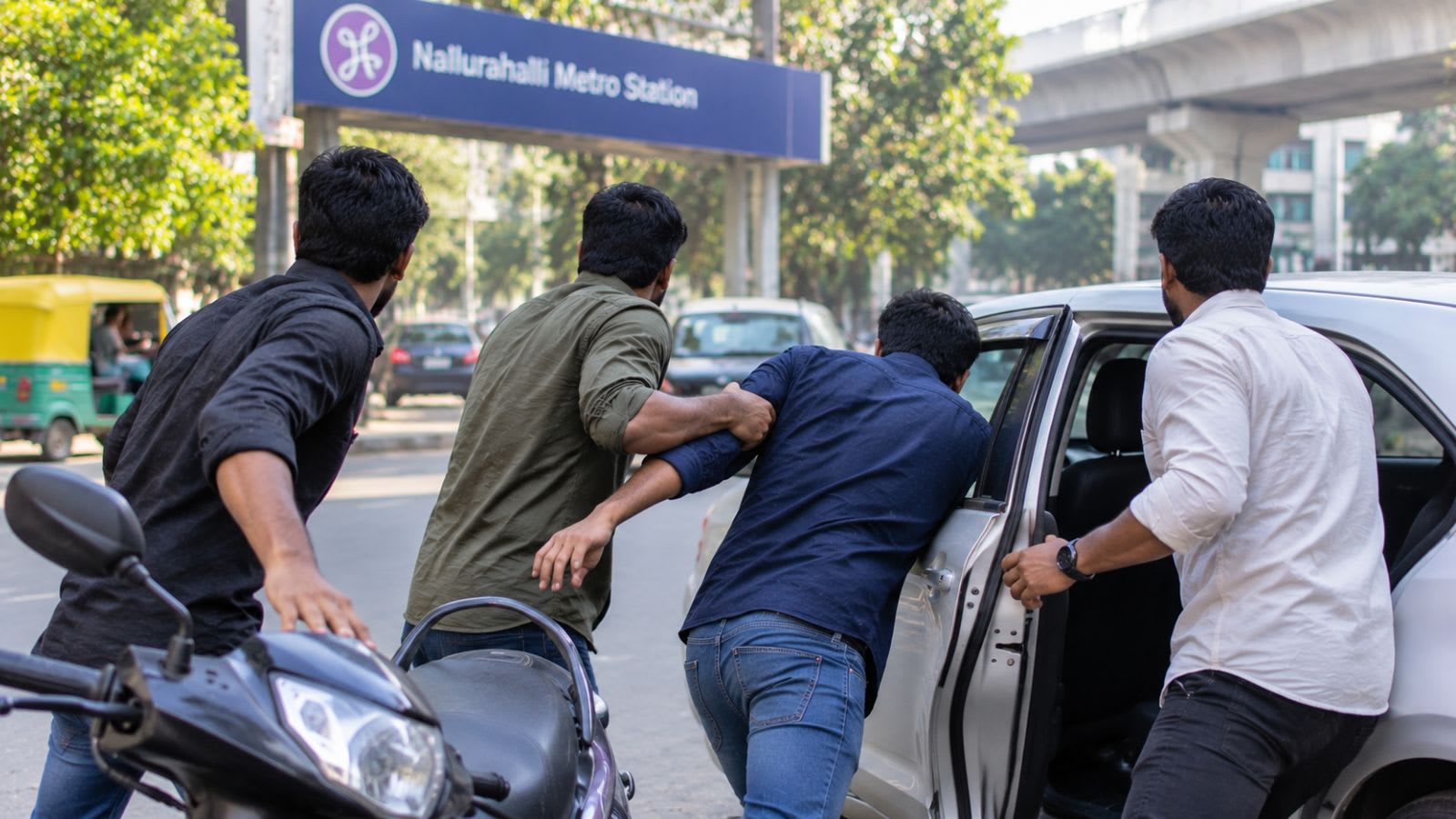
From autos to hired cars: How 4 men allegedly extorted Bengaluru bike-taxi drivers
Source Entity
Atiya Firdos
Bengaluru police have cracked two major cases involving drug-related crime, including a massive MDMA seizure and an extortion racket targeting cab drivers. These incidents highlight the growing link between illicit substance trade and criminal activity in the city.
The Rising Tide of Drug-Related Crime in Bengaluru
Recent law enforcement actions in Bengaluru have shed light on the intensifying intersection between narcotics trafficking and street-level criminality. In two distinct but equally concerning operations, the Yelahanka New Town and Whitefield police departments have dismantled criminal networks that illustrate the sophisticated, yet desperate, nature of the local drug economy. From the large-scale inter-state smuggling of synthetic drugs to organized extortion rings, these events underscore the evolving challenges faced by urban security forces.
The MDMA Smuggling Ring
The interception of 5.72 kg of MDMA, valued at approximately Rs 11.44 crore, marks a significant disruption in the supply chain of synthetic narcotics. The arrest of Imran Pasha, a mechanic, and Ayesha Siddiqui reveals a calculated modus operandi where traffickers leverage individuals with limited financial means—promising a payment of Rs 1 lakh each—to transport contraband across state lines. By utilizing air travel and long-distance road transit, the perpetrators attempted to circumvent traditional surveillance, yet were thwarted by vigilant local policing.
Extortion as a Means to Sustain Addiction
Simultaneously, the Whitefield police have addressed a separate, localized crisis: an extortion racket targeting the city's vulnerable gig economy workers. A four-member gang, including individuals with diverse backgrounds such as a tattoo artist and a BCom graduate, systematically targeted bike-taxi and cab drivers over a three-month period. The explicit motive—funding drug addictions—highlights the cyclical nature of substance abuse, where the demand for drugs directly fuels secondary crimes such as assault and digital extortion.
Technological Evasion and Detection
The criminals in both cases demonstrated a keen awareness of law enforcement tactics. The extortionists switched from auto-rickshaws to rented cars to avoid detection, while the drug smugglers employed complex transport logistics. However, the success of the police in utilizing GPS tracking and CCTV evidence indicates that Bengaluru’s investigative infrastructure is keeping pace with these evolving criminal strategies. The reliance on digital evidence has proven vital in linking disparate incidents to organized groups.
Broader Implications and Future Trends
These arrests suggest that drug-related crime in Bengaluru is becoming increasingly professionalized at the top end, while becoming more violent and unpredictable at the street level. The 'kingpin' model, as seen in the absconding suspect Sadia, indicates that masterminds often remain insulated from the risks taken by their proxies. Future law enforcement trends will likely necessitate a more aggressive focus on dismantling these upper-level hierarchies rather than merely arresting low-level runners.
Conclusion
In summary, these recent police crackdowns represent a critical victory for public safety in Bengaluru. By addressing the root causes—ranging from the lure of easy money in drug trafficking to the desperate financial measures taken by addicts—authorities are attempting to stabilize the city's safety landscape. Moving forward, continued integration of surveillance technology and intelligence-led policing will be essential to deterring these multifaceted criminal operations.