Bengaluru City Police restructured, five commissioners and a chief commissioner appointed
Source Entity
India Latest News: Top National Headlines Today & Breaking News | The Hindu
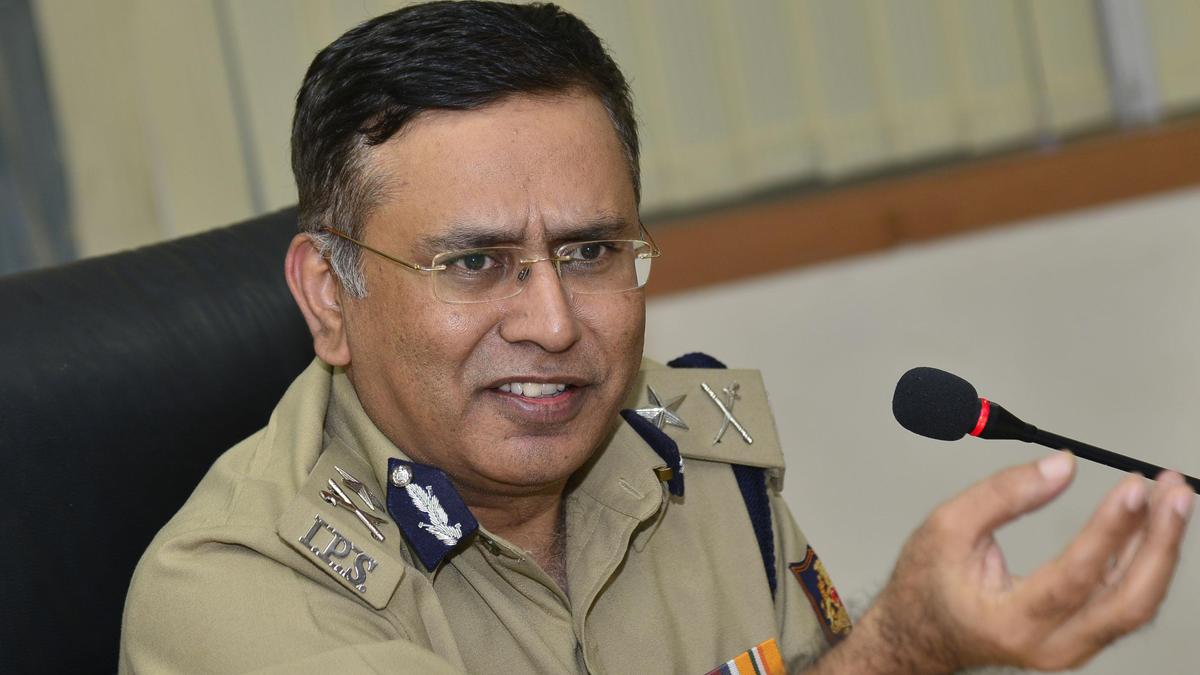
The Karnataka government has restructured the Bengaluru City Police from a single-commissioner system into five distinct geographic commissionerates. R. Hithendra has been appointed as the new Chief Commissioner to oversee this decentralized model.
A New Era for Bengaluru Policing
On November 18, 2026, the Karnataka government initiated a major administrative overhaul of the Bengaluru City Police. By moving away from the traditional single-commissioner system, the state aims to enhance administrative efficiency and law enforcement oversight. This restructuring aligns the police force with the administrative framework of the Greater Bengaluru Authority (GBA), mirroring the five-city-corporation model to ensure better synergy between urban governance and public safety.
Decentralization and Leadership
The core of this transformation is the division of the city into five distinct police commissionerates: Central, North, East, South, and West. To manage this multi-layered hierarchy, the government has appointed R. Hithendra, a 1996-batch IPS officer and Additional Director General of Police (ADGP), as the inaugural Chief Commissioner. This new post is designed to provide high-level strategic oversight, ensuring that while the city is decentralized for operational agility, there remains a unified command structure at the top.
Strategic Appointments
Beyond the central leadership, the government has moved quickly to fill the regional commissioner roles. Officers such as Labhu Ram, P.S. Harsha, Vikash Kumar Vikash, and M.B. Boraligaiah have been designated to head the Central, East, West, and North regions, respectively. Furthermore, Hemanth M. Nimbalkar has been appointed as Commissioner (Traffic), reflecting the government's intent to treat traffic management as a specialized, high-priority function within the urban policing landscape.
The Future of the Central Crime Branch (CCB)
A significant point of ambiguity remains regarding the fate of the Central Crime Branch (CCB). While each of the five new commissionerates is slated to have its own Deputy Commissioner of Police (Headquarters and Crime), the official government order has yet to provide a definitive roadmap for the existing CCB structure. The CCB currently operates through specialized wings, including the Organised Crime, Women Protection, and Economic Offences wings.
Implications and Speculation
Industry observers and legal experts are closely watching the creation of the new 'Additional Commissioner (Anti-Rowdy Squad)' role. There is widespread speculation that this position may absorb the Organised Crime Wing of the CCB, while other functions could be decentralized into the new regional units. This shift suggests a move toward a more localized, responsive intelligence-gathering and crime-prevention model, which could significantly alter how serious offenses are investigated within the city.
Conclusion and Outlook
As the Department of Personnel and Administrative Reforms (DPAR) continues to issue orders to flesh out these new roles, the full impact of this transition will become clearer. While the restructuring promises improved local accountability, the success of this model will depend on the seamless integration of these five units under the Chief Commissioner’s office. For the residents of Bengaluru, this change represents a fundamental shift in how the city manages its growing security challenges in an increasingly complex urban environment.
Multiple Citing Sources
Verification Required?