Keralam’s 15th Five-Year-Plan: Govt to explore possibilities in small modular reactors in the ‘longer-term’
Source Entity
India Latest News: Top National Headlines Today & Breaking News | The Hindu
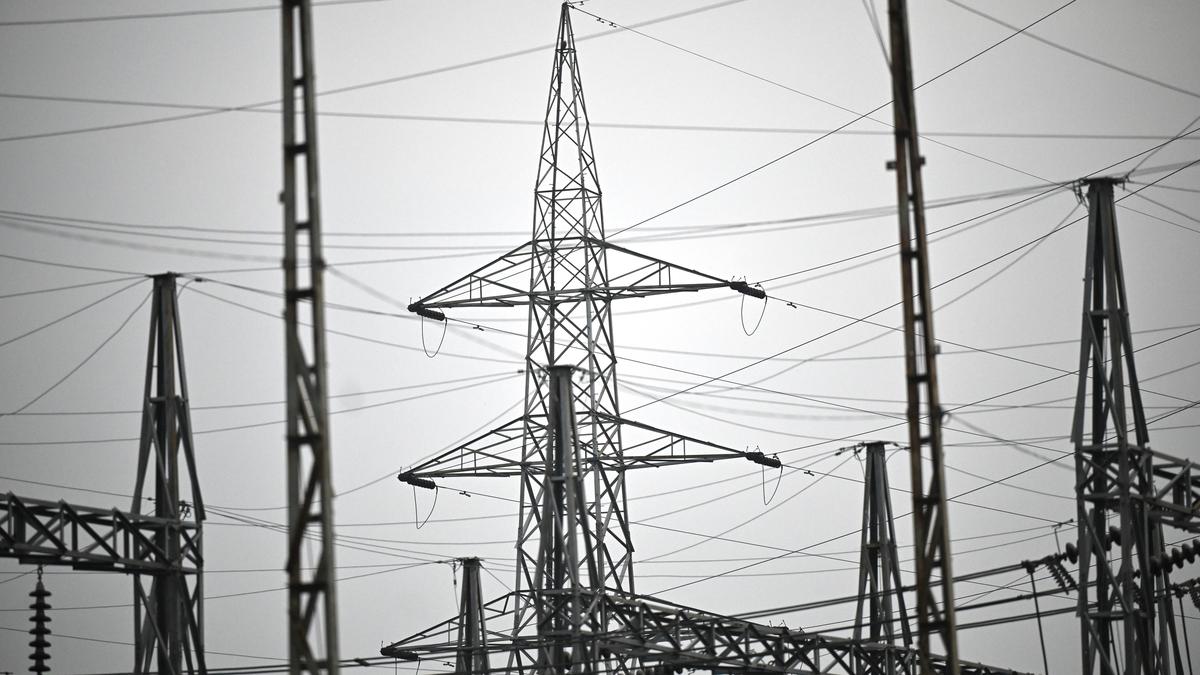
The Kerala government's 15th Five-Year Plan approach paper proposes exploring Small Modular Reactors (SMRs) to address the state's significant energy deficit. This long-term strategy aims to evaluate the feasibility and safety of nuclear energy alongside investments in battery storage and pumped hydro.
Kerala's Strategic Pivot Toward Nuclear Energy
In a significant policy shift, the Kerala government has formally introduced the prospect of nuclear energy into its long-term development framework. According to the Approach Paper for the 15th Five-Year Plan (2027-2032), the state intends to explore Small Modular Reactors (SMRs) as a potential solution to its persistent energy security challenges. This inclusion marks a notable evolution in the state's energy discourse, signaling a willingness to look beyond conventional renewable sources to meet growing demand.
Addressing the Energy Deficit
Currently, Kerala faces a substantial energy gap, producing only 25% of its total electricity requirements internally. This heavy reliance on external power procurement exposes the state to price volatility and grid instability. By incorporating SMRs into the long-term planning cycle, the State Planning Board is acknowledging that current infrastructure and traditional renewable energy projects may be insufficient to achieve total energy self-reliance. The focus on SMRs, which are generally considered more flexible and safer than traditional large-scale nuclear plants, reflects a pragmatic approach to bridging this critical supply-demand chasm.
The Role of SMRs in the Energy Mix
Small Modular Reactors (SMRs) are a cornerstone of the state's proposed strategy. The Approach Paper explicitly mentions that the state will conduct rigorous assessments regarding feasibility, safety, siting, and grid implications. Unlike massive nuclear installations, SMRs offer a decentralized approach to power generation, which could theoretically allow for better integration into the state's unique geographical and grid constraints. This modularity is essential for a state where land availability and environmental sensitivity are paramount concerns.
Complementary Energy Storage Solutions
Nuclear energy is not being positioned as a standalone solution but rather as part of a diversified portfolio. The planning document emphasizes that systematic investment in local Battery Energy Storage Systems (BESS), large-scale BESS, and pumped storage projects is the necessary path forward. By pairing modular nuclear capacity with advanced storage technologies, the state aims to create a more resilient and responsive energy grid capable of handling intermittent power sources while maintaining a stable baseload.
Implications for Long-Term Policy
By keeping the "option open" for nuclear energy, the government is signaling a shift toward an evidence-based, informed decision-making process. The 15th Five-Year Plan (2027-2032) serves as a roadmap for these investigations, ensuring that any future adoption of nuclear technology is preceded by extensive due diligence. This cautious yet proactive stance demonstrates an attempt to balance the urgent need for energy security with the state's high standards for environmental and public safety.
Conclusion
Ultimately, Kerala’s inclusion of SMRs in its planning documents represents a forward-thinking response to modern energy crises. While the actual deployment of such technology remains a long-term prospect, the state has clearly articulated a vision that integrates technological innovation with traditional infrastructure upgrades. As the 2027-2032 period approaches, the state's commitment to feasibility studies will determine whether nuclear energy becomes a viable pillar of Kerala's future power grid.
Verification Required?