Despite curbs, over 4,000 PoP Ganesha idols immersed in Bengaluru
Source Entity
India Latest News: Top National Headlines Today & Breaking News | The Hindu
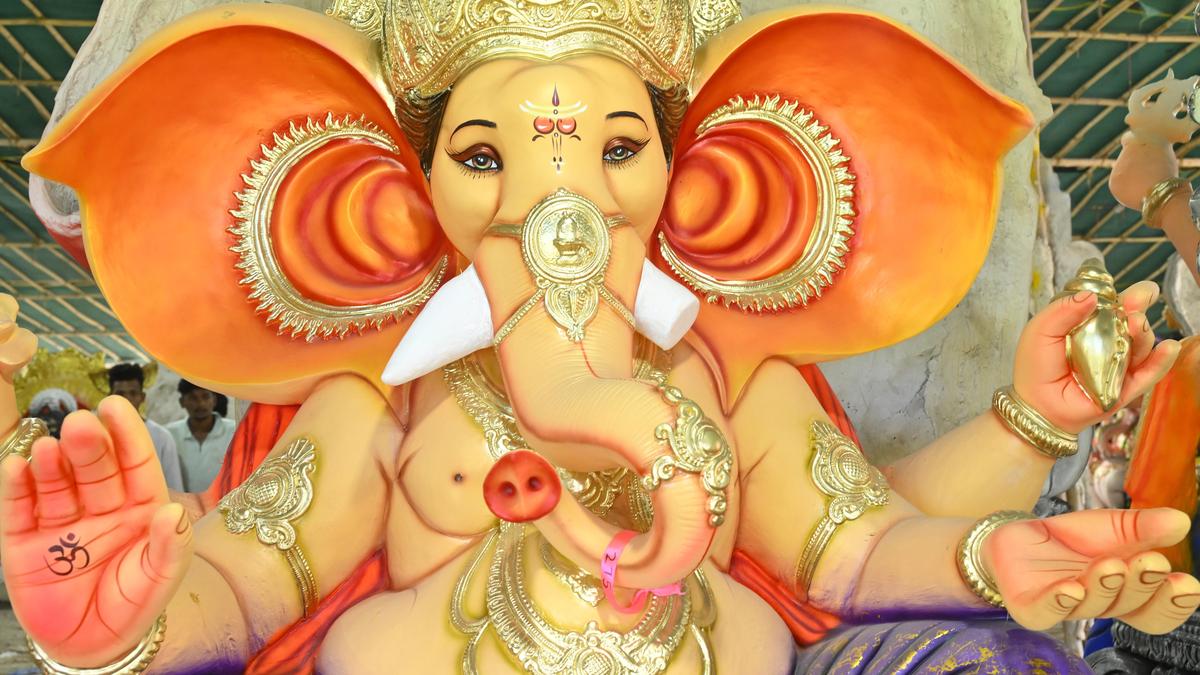
Despite strict enforcement and the seizure of over 3,000 PoP idols, Bengaluru saw over 4,200 plaster of Paris Ganesha idols immersed during the recent festival. Authorities continue to grapple with environmental compliance despite clear legal prohibitions against the use of non-biodegradable materials.
Bengaluru’s Struggle with PoP Ganesha Immersion
Despite a concerted effort by the Karnataka State Pollution Control Board (KSPCB), municipality officials, and local police to enforce environmental regulations, Bengaluru witnessed the immersion of over 4,280 plaster of Paris (PoP) Ganesha idols during the mid-September festival period. This event highlights a persistent gap between regulatory intent and public compliance in the management of urban religious festivities.
The Enforcement Gap
In the lead-up to the festival, authorities launched a robust enforcement drive, successfully seizing more than 3,000 PoP idols. These efforts were intended to curb the environmental degradation caused by non-biodegradable materials. However, the fact that over 4,000 idols were still immersed across the city’s five corporations suggests that while seizures were significant, they were insufficient to fully stop the influx and subsequent use of these banned materials.
Environmental Implications
The KSPCB has been explicit in its warnings, categorizing the immersion of PoP idols in lakes as a violation of environmental law. PoP contains gypsum, sulfur, phosphorus, and magnesium, which do not dissolve easily and significantly alter the pH levels of water bodies, causing long-term harm to aquatic life. The persistence of these idols in the immersion process signals a critical challenge for the city's water management and ecological preservation efforts.
Data-Driven Reality
According to data from the Greater Bengaluru Authority (GBA), the immersion activity was concentrated over two days: 3,512 idols were immersed on September 14, followed by 768 on September 15. This statistical breakdown provides a clear picture of the scale of the challenge, indicating that a substantial portion of the population is either unaware of the legal consequences or remains committed to traditional manufacturing materials despite the prohibition.
Future Trends and Policy Outlook
Moving forward, the city faces a complex scenario. The existence of a legal framework and punitive measures is clear, yet the enforcement mechanism is clearly struggling to keep pace with market supply and public demand. Future trends suggest that authorities may need to pivot toward stricter supply-chain monitoring—targeting the manufacturers and distribution networks rather than just the end-users—to prevent these items from reaching the streets in the first place.
Conclusion
The situation in Bengaluru serves as a microcosm of the broader tension between cultural traditions and environmental sustainability. While the KSPCB's enforcement drive was a necessary step, the immersion of over 4,200 PoP idols underscores the need for more comprehensive public awareness campaigns and a more rigorous approach to preventing the sale of prohibited materials long before the festival season begins.
Verification Required?