29 Died In 2013 Maoist Ambush On Congress Convoy. Now, 10 Get Death Penalty
Source Entity
NDTV News Search Records Found 1000
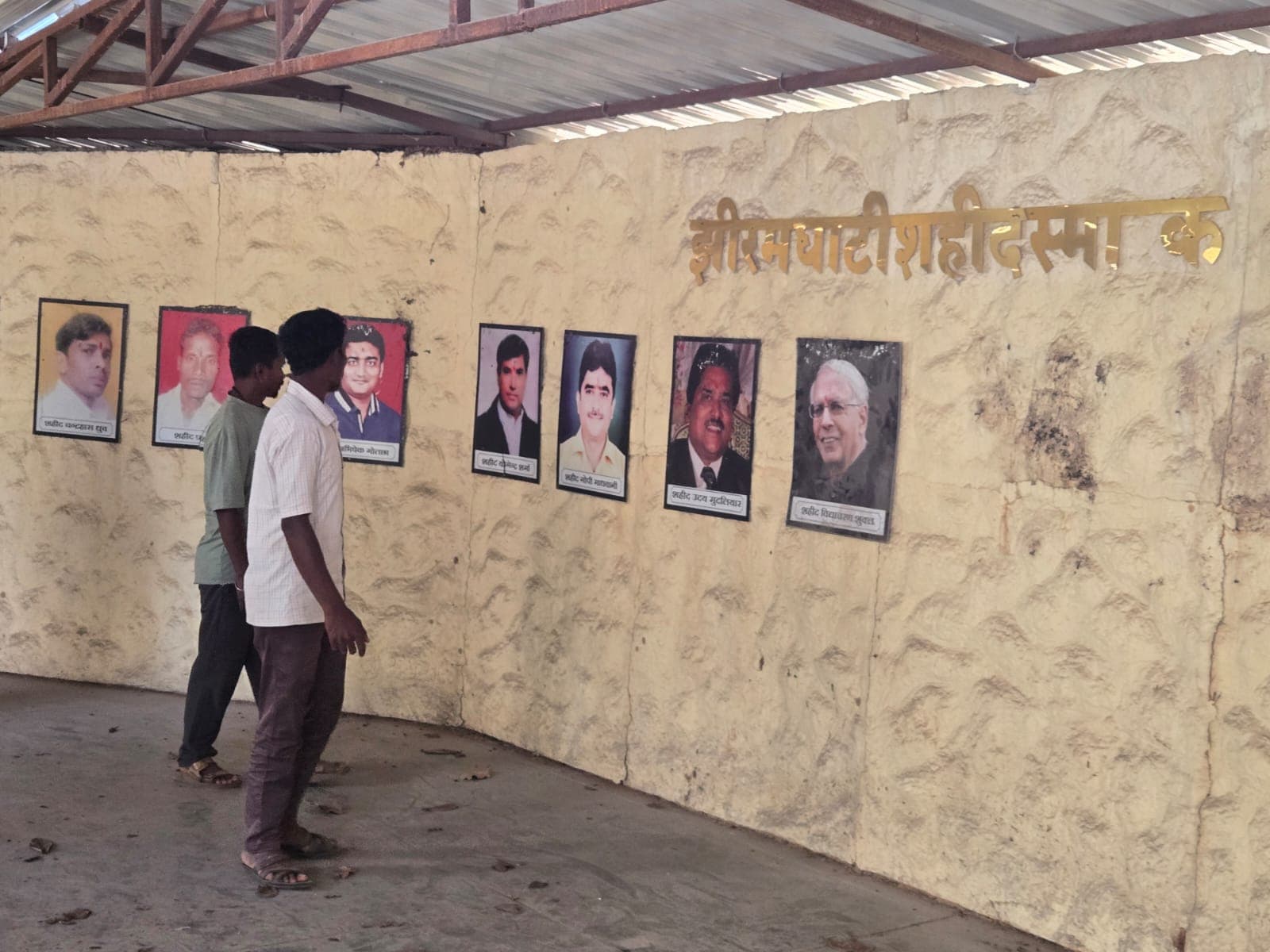
A special NIA court has sentenced 10 Maoists to death for their role in the 2013 Jhiram Ghati ambush, which claimed 29 lives. The attack decimated the Chhattisgarh Congress leadership, marking a significant moment in the state's battle against Left Wing Extremism.
Justice Delivered: The Jhiram Ghati Massacre Verdict
More than a decade after the horrific Jhiram Ghati ambush, a special National Investigation Agency (NIA) court in Jagdalpur has handed down death sentences to 10 individuals convicted for their roles in the 2013 massacre. This judicial development marks a significant milestone in one of the most devastating incidents of Left Wing Extremism (LWE) in Indian history, where 29 people lost their lives in a meticulously planned assault on a political convoy.
The Anatomy of the 2013 Ambush
On May 25, 2013, the political landscape of Chhattisgarh was irrevocably altered when armed cadres of the banned Communist Party of India (Maoist) ambushed a Congress party convoy. The attack was not merely a random act of violence but a targeted strike aimed at the core of the state’s political structure. Among the casualties were then-state Congress chief Nand Kumar Patel and prominent tribal leader Mahendra Karma, who was known as a fierce critic of the Maoist movement. The sheer scale of the carnage, which also left 38 others injured, decimated the state leadership and cast a long shadow over the security situation in the Bastar region.
Judicial Accountability and NIA Involvement
Following the tragedy, the case was handed over to the National Investigation Agency to ensure a thorough, federal-level probe into the criminal conspiracy. After years of legal proceedings, special NIA judge Abhay Singh Rajput (also cited as Ajay Singh Rajput) convicted the 10 accused—a group that included two women—on charges of murder and conspiracy. The decision to award the death penalty reflects the severity of the crime and the court’s commitment to addressing the systemic threat posed by such violent insurgent activities.
The Impact of Losing Key Leadership
The loss of figures like Mahendra Karma, who was instrumental in the anti-Maoist discourse, had profound implications for regional politics. His death, alongside that of Nand Kumar Patel, created a massive power vacuum and fundamentally changed how political parties engaged with the tribal population in Bastar. The Jhiram Ghati incident remains a grim reminder of the risks faced by public representatives in areas heavily affected by LWE.
Broader Implications and Future Trends
This verdict serves as a strong signal from the judiciary regarding the intolerance for armed insurgency against constitutional authorities. While the sentencing provides closure for the families of the 29 victims, it also highlights the prolonged nature of justice in terror-related cases, which often span over a decade. Looking forward, this ruling is expected to influence the state's security strategy and judicial approach to handling high-profile terrorism cases, potentially acting as a deterrent against future attempts to destabilize the democratic process through violence.
Conclusion
The sentencing of these 10 convicts represents a pivotal chapter in the legal battle against the perpetrators of the Jhiram Ghati attack. While the wounds from the 2013 massacre remain deep, the judicial process has finally brought a measure of accountability to an event that nearly wiped out an entire generation of Chhattisgarh’s political leadership.
Multiple Citing Sources
Verification Required?