Berkshire breaks 14-quarter selling streak with $23.5B of stock buys — $10B went to 1 company at a private price
Source Entity
Yahoo Finance
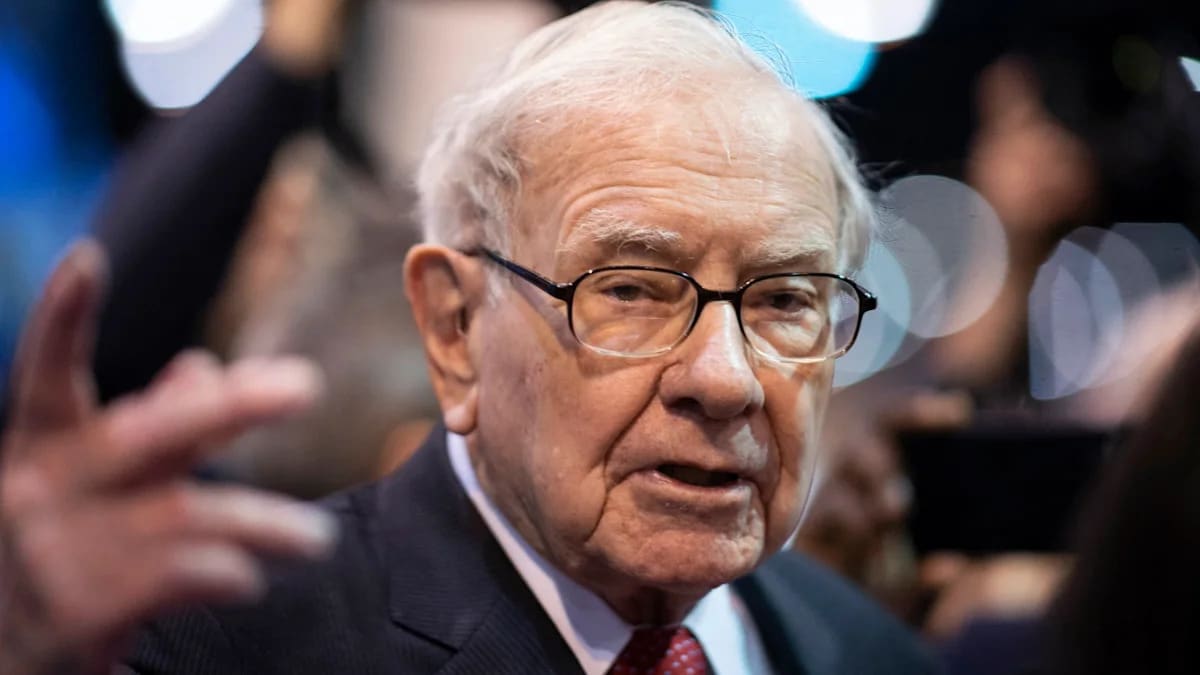
Berkshire Hathaway has ended a 14-quarter streak of net equity selling by purchasing $23.5 billion in stocks, including significant share buybacks. The company's cash hoard has decreased from a record high of $397.4 billion to $365.5 billion, reflecting a strategic shift in capital allocation.
Berkshire Hathaway Shifts Strategy: An End to the Selling Streak
For the first time in 14 quarters, Berkshire Hathaway has pivoted from its extended period of net equity selling to a phase of aggressive purchasing. According to the company's second-quarter filing, the conglomerate executed $23.5 billion in stock buys, significantly outpacing the $3.7 billion in sales recorded for the same period. This move marks a definitive conclusion to a divestment trend that had persisted since the fourth quarter of 2020, signaling a potential shift in how the firm views current market valuations.
Analyzing the Financial Performance
The financial results released on August 8 highlight a robust operational performance. Operating earnings, which Warren Buffett historically emphasizes over net earnings due to their exclusion of volatile paper swings in the stock portfolio, rose by 16% to $12.98 billion. Furthermore, the company reported a 10% increase in revenue, reaching $101.8 billion. While net earnings roughly doubled to $25.67 billion, the operational growth suggests that the underlying businesses within the Berkshire conglomerate remain strong and capable of generating significant cash flow.
Deploying the Cash Hoard
One of the most closely watched metrics in the financial world has been Berkshire’s cash pile. After reaching an all-time high of $397.4 billion at the end of the first quarter, the mountain of cash finally saw a reduction, falling to $365.5 billion by the end of June. This reduction is primarily attributed to the deployment of capital into equity markets and a notable surge in share buybacks, which climbed to $4.53 billion from a mere $235 million in the prior quarter.
The Strategic Focus on Buybacks
A significant portion of this capital deployment has been directed inward. The company has ramped up its share repurchase program, effectively betting on the long-term value of its own equity. This move indicates that management perceives the company’s stock as being in a 'buy zone,' offering better value than external investment opportunities. By reducing the outstanding share count, Berkshire is signaling confidence in its internal capital allocation strategies and future earnings potential.
Broader Market Implications and Future Trends
The sudden shift in Berkshire’s behavior—moving from a net seller to a net buyer—provides a compelling narrative for market watchers. For years, investors have speculated about why the firm was accumulating such an unprecedented amount of cash, often interpreting it as a lack of attractive opportunities or a hedge against market instability. The decision to deploy $10 billion of its recent buying spree into a single company at a private price underscores a highly tactical approach to capital deployment, prioritizing long-term value over broader market trends.
Conclusion
As Berkshire Hathaway navigates this new chapter, the reduction of its cash hoard and the increase in buybacks suggest a more proactive stance toward value creation. While the market remains divided on the efficacy of these moves, the data clearly shows that the conglomerate is no longer content to sit on the sidelines. Moving forward, observers will be keen to see if this trend of net buying continues or if the company will return to its conservative, cash-heavy posture in response to future economic volatility.
Multiple Citing Sources