Bessent’s ‘Treasury Twist’ Has Wall Street War-Gaming a Shift in Borrowing Strategy
Source Entity
Yahoo Finance
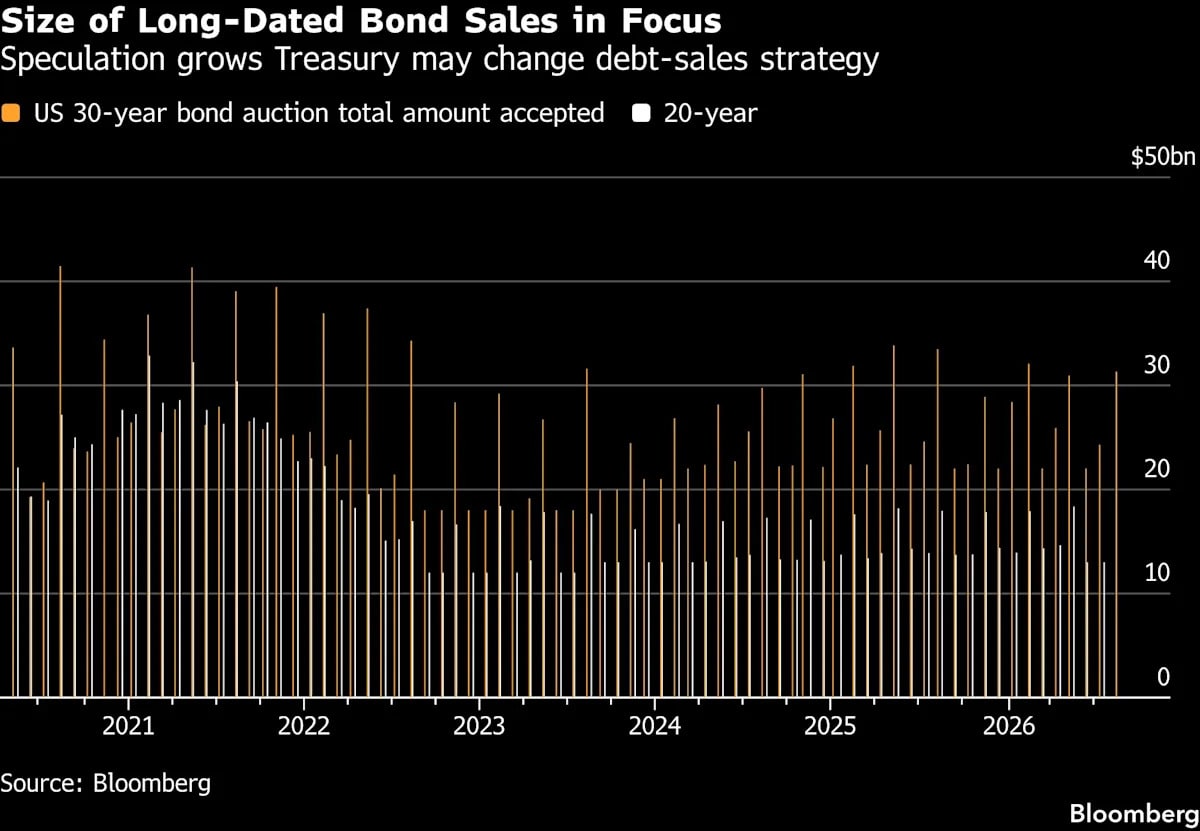
Treasury Secretary Scott Bessent is shifting U.S. debt management toward a more activist strategy, prompting Wall Street to anticipate reduced long-term bond issuance. Analysts suggest this approach, potentially coordinated with Fed Chair Kevin Warsh, aims to lower long-term yields.
The 'Treasury Twist': A Paradigm Shift in U.S. Debt Management
US Treasury Secretary Scott Bessent is currently spearheading a departure from the traditional U.S. Treasury philosophy of "regular and predictable" debt management. By adopting a more activist approach, Bessent has introduced a layer of uncertainty that has forced major financial institutions, including Deutsche Bank, Morgan Stanley, and Citigroup, to reassess their bond market outlooks. This shift signifies a departure from passive issuance strategies, signaling that the Treasury may soon take a more hands-on role in shaping the yield curve.
Strategic Reallocation of Debt Issuance
The core of the market's "war-gaming" centers on the composition of government borrowing. Analysts suggest that the Treasury may pivot toward increasing issuance of short-term bills and shorter-maturity notes while simultaneously curbing the supply of long-dated bonds. By shifting the burden of borrowing away from the long end of the curve, the Treasury aims to alleviate upward pressure on long-term yields, which are critical benchmarks for mortgage rates and corporate financing costs.
Potential Coordination with the Federal Reserve
Adding to the complexity of these machinations is the reported observation by Citrini Research regarding a potential alignment between Treasury Secretary Bessent and Federal Reserve Chair Kevin Warsh. The hypothesis suggests a coordinated effort to suppress long-term bond yields, essentially creating a dual-pronged approach to monetary and fiscal policy. If such coordination is confirmed, it would mark a significant departure from the historical separation between the executive-led Treasury and the independent central bank, potentially altering market expectations for interest rate volatility.
Market Implications and Buyback Expansion
Beyond shifting issuance maturities, the Treasury is expected to further utilize its buyback programs to provide liquidity and stability to the bond market. By actively repurchasing outstanding securities, the Treasury can mitigate volatility and ensure that the market remains receptive to the government's massive financing needs. This proactive stance is designed to prevent "taper tantrums" or liquidity crunches that could arise from the transition away from the established "regular and predictable" framework.
Future Trends and Institutional Winners
As Wall Street digests these changes, institutions like Bank of America are already positioning themselves to capitalize on the new fiscal landscape. The move toward higher bill issuance and increased buyback activity creates specific opportunities for large lenders who thrive on market volatility and the shifting demand for liquid, short-term assets. Looking ahead, investors should expect increased sensitivity to Treasury refunding announcements, as the quarterly cycle becomes the primary venue for signaling shifts in the government’s debt-management strategy.