Hundreds rally at Bethesda HQ to protest Xbox layoffs, and Ars was there
Source Entity
Kyle Orland
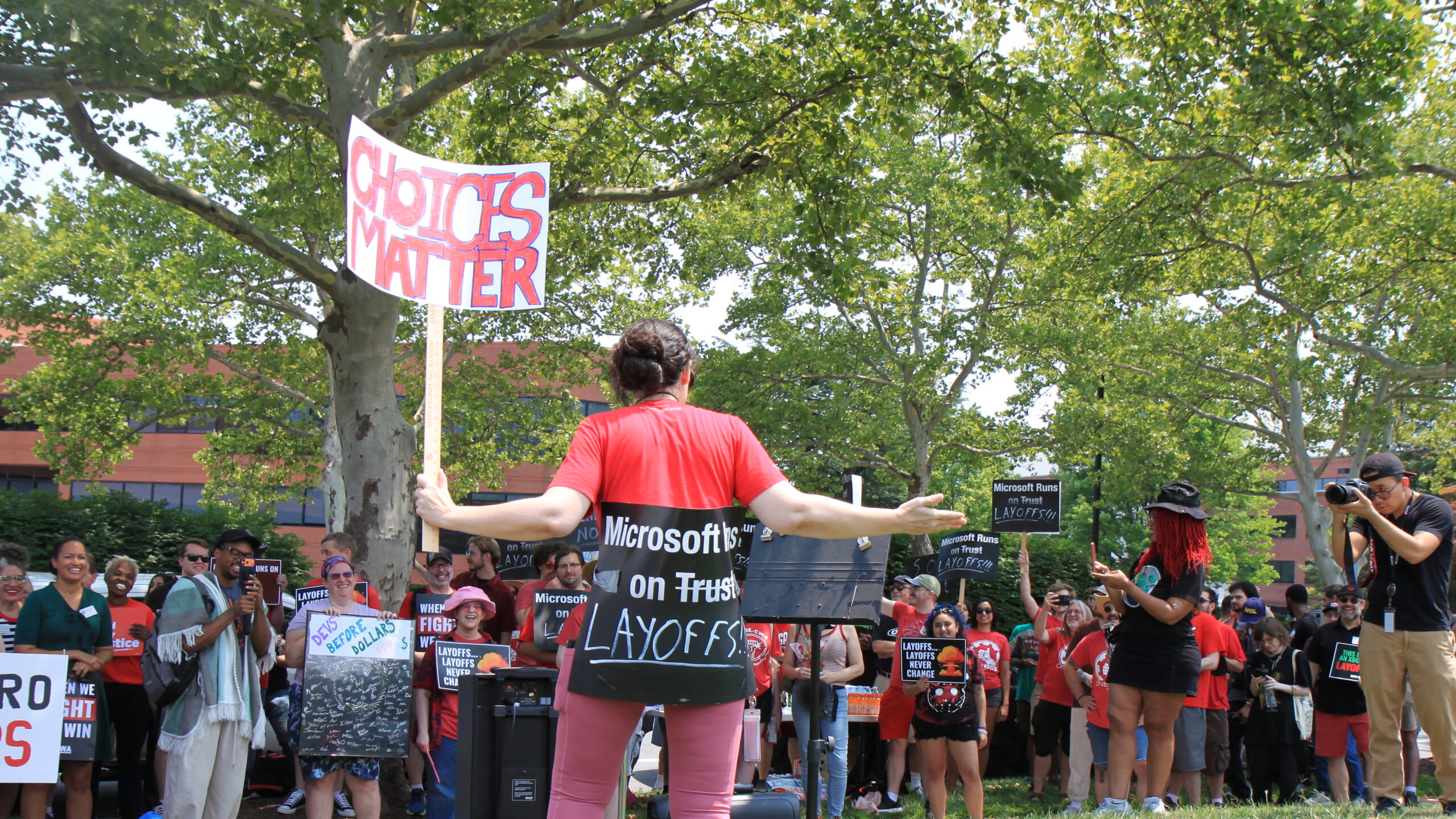
Hundreds of employees and union supporters rallied at Bethesda's headquarters to protest recent Xbox layoffs, demanding an end to recurring job cuts and a return to collective contract bargaining.
Labor Unrest at Bethesda: Protesting the Xbox Layoff Cycle
In a significant display of labor solidarity, hundreds of workers and supporters recently gathered at the headquarters of Bethesda Softworks to protest a series of layoffs orchestrated by Xbox (Microsoft). The rally, which was documented by Ars Technica, underscores a growing tension between the workforce of one of the world's most prestigious game development studios and its corporate parent. The core of the protest centers on the desire to break what employees describe as a "perpetual cycle" of layoffs, where staff are hired for ambitious projects only to be discarded during corporate restructuring or budget realignments.
The Struggle Against the "Perpetual Cycle"
The phrase "perpetual cycle" used by the protesters highlights a systemic issue within the modern AAA gaming industry. For years, studios have operated on a boom-and-bust cycle: aggressive hiring during the development of a flagship title, followed by mass redundancies once the project is shipped or when corporate priorities shift. At Bethesda, this volatility has become untenable for many. By rallying at the HQ, the workers are signaling that the human cost of these corporate pivots—lost livelihoods and shattered morale—outweighs the short-term financial gains of "optimizing" the workforce.
The Push for Collective Bargaining
A primary objective of the rally is the demand for a return to contract bargaining. The presence of union activity indicates a shift toward organized labor in a sector that has historically been resistant to it. A legally binding contract would provide the workers with protections that are currently absent, such as guaranteed severance packages, mandatory notice periods before layoffs, and a formal process for challenging job cuts. By securing a contract, the union aims to transform the employment relationship from one of "at-will" vulnerability to one of shared stability and negotiated security.
Corporate Integration and the Microsoft Influence
To understand the context of these layoffs, one must look at Microsoft's acquisition of ZeniMax Media, the parent company of Bethesda. While the acquisition provided Bethesda with massive resources and integration into the Xbox Game Pass ecosystem, it also subjected the studio to the broader corporate strategies of Microsoft. In recent years, Microsoft has faced pressure from shareholders to increase efficiency and margins, leading to wide-scale cuts across various Xbox divisions. The Bethesda protests are a direct reaction to the clash between the creative, long-term nature of game development and the quarterly-driven demands of a trillion-dollar tech conglomerate.
Broader Industry Implications
This event is not an isolated incident but part of a wider trend of "The Great Correction" in the technology and gaming sectors. Following a period of hyper-growth during the COVID-19 pandemic, many companies over-hired and are now aggressively downsizing. However, the Bethesda rally represents a new phase of this correction: the transition from passive acceptance of layoffs to active resistance. As more developers realize that tenure and talent do not protect them from corporate spreadsheets, the momentum for unionization is likely to spread to other major studios under the Microsoft, Sony, or EA umbrellas.
Predicting Future Trends in Game Dev Labor
Looking forward, the outcome of the Bethesda union's efforts will likely serve as a bellwether for the rest of the industry. If the union successfully forces Xbox back to the bargaining table and secures a contract that limits layoffs, it will create a blueprint for other studios. We can expect an increase in "strategic unionization," where workers focus specifically on job security and layoff protections rather than just wages. This could lead to a fundamental shift in how AAA games are staffed, potentially moving away from massive, volatile teams toward more sustainable, permanent workforce models.
Conclusion
The protests at Bethesda HQ are more than just a reaction to job losses; they are a demand for dignity and predictability in a high-stress industry. By challenging the "perpetual cycle" of layoffs and fighting for contract bargaining, these workers are attempting to redefine the social contract between game developers and the tech giants that own them. Whether Microsoft chooses to collaborate or resist these demands will determine the future stability of the Xbox workforce and the broader trajectory of labor rights in the gaming world.