'Playing With Our Health': Railway Water, Food Under Scrutiny In Bhopal
Source Entity
NDTV News Search Records Found 1000
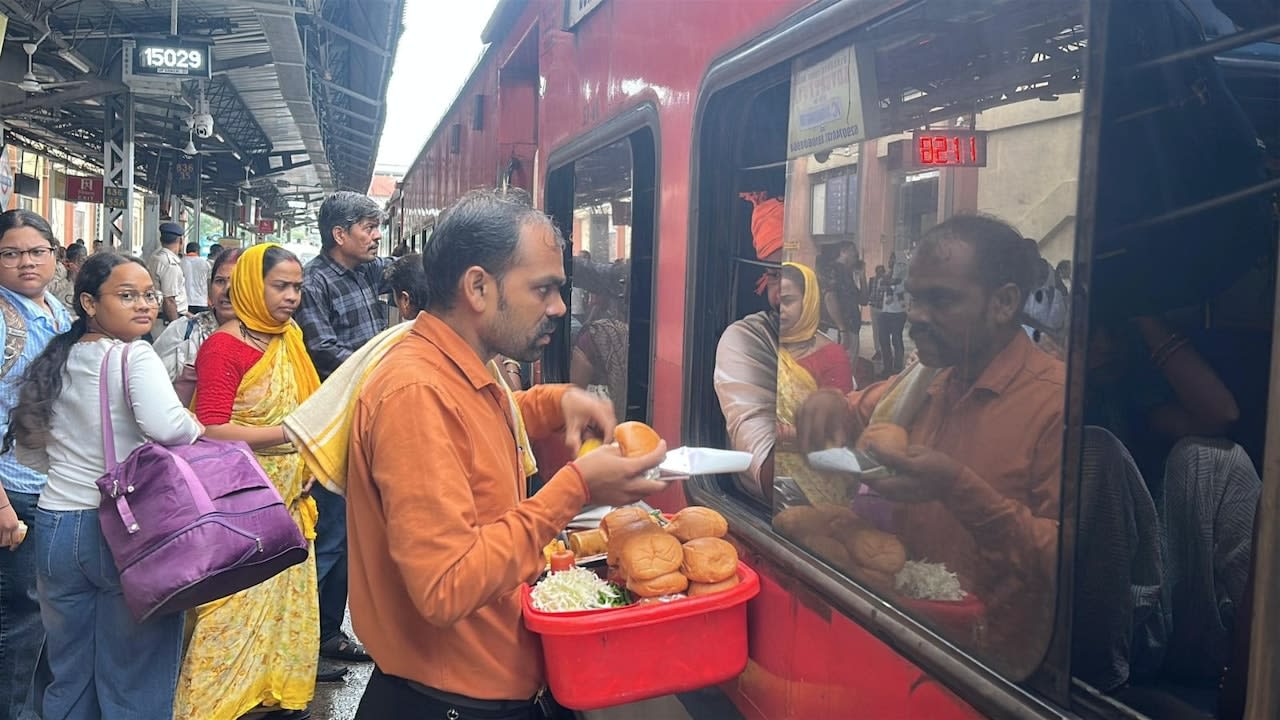
Bhopal Junction's food and water safety standards are under investigation as public health concerns mount. With over 150 trains passing through daily, the facility faces immense pressure to maintain sanitation for thousands of passengers.
Health Concerns Mount at Bhopal Junction
Recent reports have cast a spotlight on the critical state of food and water safety at Bhopal Junction, a major transit hub that serves as a vital artery for the Indian Railways network. The scrutiny follows growing public apprehension regarding the hygiene standards maintained at one of the region's busiest transit points. As passengers transit through this facility, the quality of the sustenance and water provided has become a focal point for regulatory bodies and health inspectors.
The Scale of Operations
The logistical magnitude of Bhopal Junction cannot be overstated. By handling the halt of more than 150 trains every single day, the station functions as a massive, high-traffic ecosystem. This constant influx of diverse passengers creates an environment where sanitation protocols must be impeccable to prevent the spread of waterborne or foodborne illnesses. The sheer volume of traffic suggests that any lapse in safety standards at this location has the potential to impact a vast number of commuters simultaneously.
Implications for Public Health
When food and water safety are compromised in a transit environment, the implications for public health are profound. Railways serve as a primary mode of transport for millions, and travelers often rely on station vendors and onboard services for their nutritional needs. If the water supply or food preparation areas at a hub like Bhopal Junction fail to meet health benchmarks, it puts travelers at risk of acute gastrointestinal distress and long-term health complications, turning a routine journey into a potential health hazard.
Regulatory Oversight and Accountability
The current scrutiny is a necessary step in enforcing accountability within the railway infrastructure. Effective oversight requires not just periodic inspections, but a rigorous, continuous monitoring system that accounts for the high-frequency churn of passengers and vendors. By focusing on Bhopal Junction, authorities are likely attempting to establish a baseline for safety that can be audited and improved, ensuring that the convenience of railway travel does not come at the cost of consumer well-being.
Future Trends in Railway Sanitation
Looking ahead, the situation at Bhopal Junction highlights a broader need for modernized sanitation technology within Indian transport hubs. As the railway network continues to expand, the integration of automated water quality monitoring and digitized food safety tracking will become essential. The current public outcry acts as a catalyst for these necessary upgrades, signaling a shift toward a more transparent and health-conscious approach to managing public transit facilities nationwide.
Verification Required?