Gujarat launches special drive at student hostels, canteens to check quality of food
Source Entity
The Indian Express
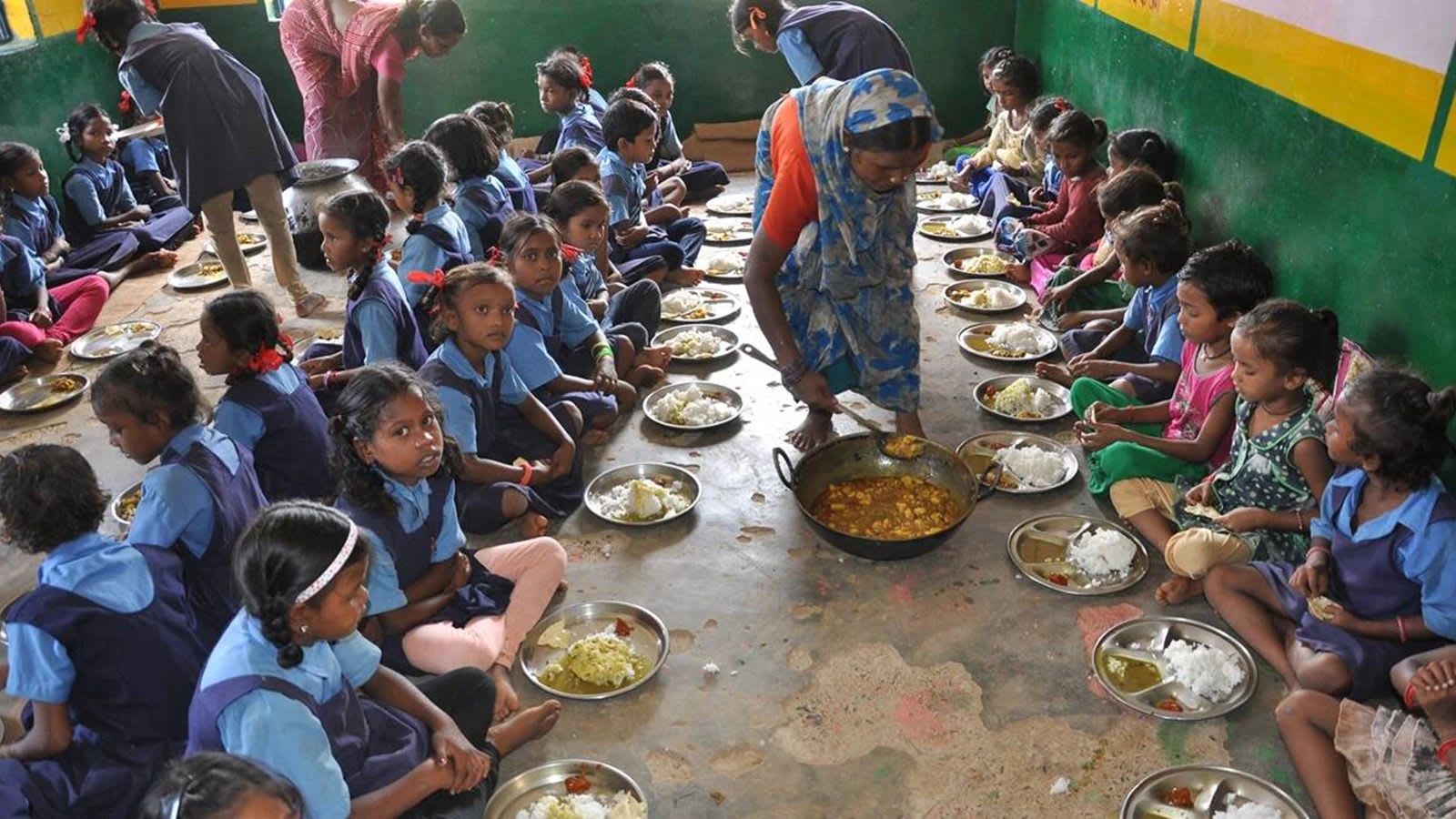
Following a food poisoning incident in Surat, the Gujarat government has launched a statewide inspection drive of student hostels and canteens. Authorities have already inspected 200 institutions and issued notices to 61 for failing to meet safety standards.
Gujarat Initiates Statewide Food Safety Oversight
The Gujarat Food and Drug Control Department has mobilized a comprehensive inspection drive targeting student hostels and canteens across the state. This urgent administrative action follows a direct mandate from Health Minister Praful Pansheriya, issued in response to a concerning food poisoning outbreak at the PP Savani International School in Surat. By targeting both government-run and private educational facilities, the state aims to ensure that the health and well-being of the student population are not compromised by substandard culinary practices.
Origins of the Regulatory Intervention
The catalyst for this state-wide initiative was a localized health crisis that occurred on Saturday, where 85 students at the PP Savani International School hostel fell ill due to suspected food poisoning. Such incidents highlight the inherent vulnerabilities in large-scale institutional catering, where hygiene protocols can often be overlooked in the face of high-volume meal preparation. The swift response by the Health Minister underscores a "zero-tolerance" approach toward negligence in environments where students reside and consume the majority of their meals.
Execution and Scope of the Inspection
Launched on Monday, the special drive saw officials inspect 200 educational institutions within a single day. The primary objective of these inspections is to verify strict compliance with the Standard Operating Procedure (SOP) established by the state health department. These SOPs serve as a critical benchmark for food safety, encompassing everything from storage temperatures and ingredient quality to the hygiene of food handlers and the cleanliness of kitchen facilities.
Accountability and Enforcement Measures
The audit process has already yielded tangible results, with officials issuing notices to 61 institutions that were found to be deficient in their operations. These notices serve as a formal warning, mandating that the institutions improve their facilities and adhere to the prescribed safety standards. This enforcement mechanism is vital, as it shifts the burden of proof onto the educational institutions, requiring them to demonstrate that they can provide a safe living and dining environment for their residents.
Broader Implications for Institutional Health
This move by the Gujarat government reflects a broader trend toward stricter oversight of institutional health safety in India. As educational institutions continue to house thousands of students, the state’s role as a watchdog becomes increasingly essential. By institutionalizing these checks, the government is not only addressing the immediate incident in Surat but is also building a culture of preventive care that seeks to mitigate the risks of future outbreaks.
Future Outlook and Sustained Compliance
The success of this initiative will likely depend on the consistency of follow-up inspections. While the current drive serves as a necessary corrective measure, long-term safety requires that these institutions maintain continuous compliance. If the state continues to enforce these SOPs rigorously, it could serve as a model for other regions, potentially reducing the frequency of food-borne illnesses in schools and universities across the country.