Consent row deepens over Bidadi Township land acquisition: GBDA says 90%, farmers cry foul
Source Entity
India Latest News: Top National Headlines Today & Breaking News | The Hindu
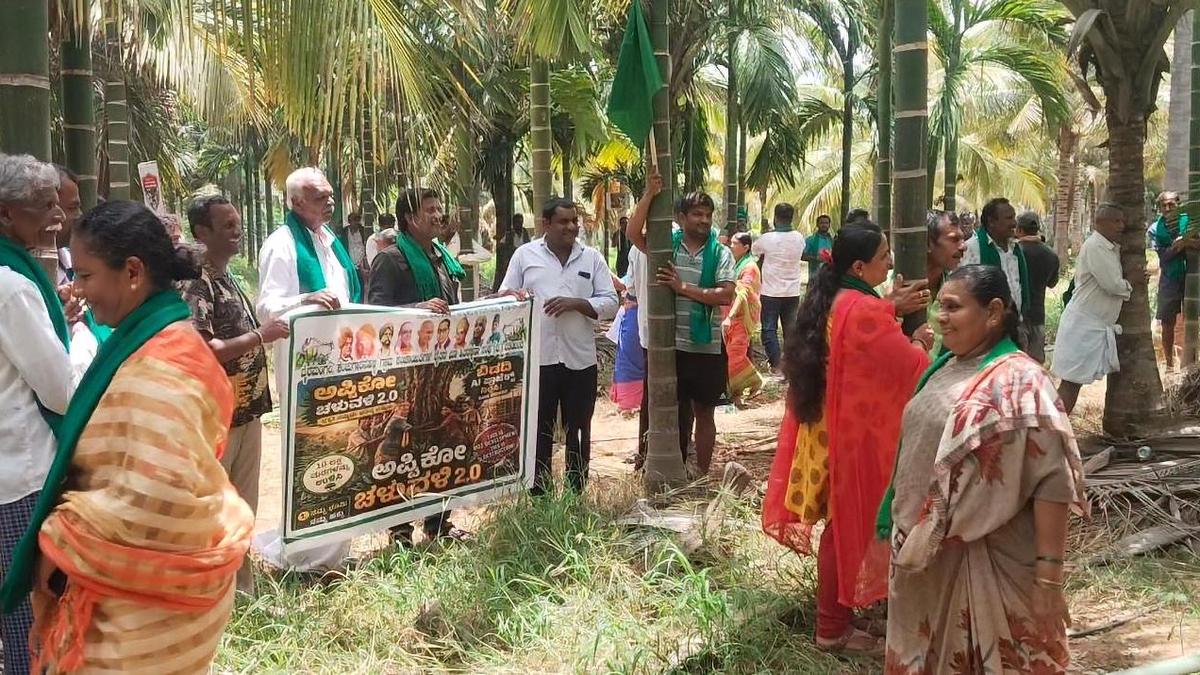
The Greater Bengaluru Development Authority’s (GBDA) official data shows that more than 90% of the farmers in three villages near Bidadi, notified by the government for the Greater Bengaluru Integrate...
Conflict Over Progress: The Bidadi Township Land Acquisition Row
The tension between rapid urban expansion and the preservation of rural land rights has reached a boiling point in the outskirts of Bengaluru. The Greater Bengaluru Development Authority (GBDA) is currently embroiled in a heated dispute with farmers from three villages near Bidadi regarding the acquisition of land intended for the Greater Bengaluru Integrated Township. While the GBDA maintains that the project is proceeding with overwhelming local support, the farmers on the ground tell a starkly different story, alleging that the consent process has been manipulated or misrepresented.
The Discrepancy in Consent
At the heart of this controversy is a massive gap in data. The GBDA's official records suggest a consent rate of over 90%, a figure that would typically indicate a smooth transition and broad community acceptance of the development project. However, farmers in the affected villages have cried foul, claiming that such figures are fabricated or obtained through coercive means. This discrepancy highlights a recurring theme in large-scale infrastructure projects in India: the conflict between administrative reporting and the lived reality of the displaced. The farmers' outcry suggests that the 'consent' cited by the authority may not reflect the genuine will of the landholders, raising serious questions about the transparency of the GBDA's documentation process.
The Strategic Importance of Bidadi
To understand why this land is so contested, one must look at the broader vision for 'Greater Bengaluru.' Bidadi has evolved into a critical industrial and logistical node due to its strategic location on the Bengaluru-Mysuru corridor. As the core city becomes saturated, the government is pushing for integrated townships to decongest the urban center and create satellite hubs of economic activity. The Bidadi Township is designed to be a cornerstone of this expansion, combining residential, commercial, and industrial zones. However, this vision of a futuristic urban hub directly clashes with the traditional agricultural livelihoods of the local villagers, who view their land not just as a financial asset, but as their primary source of sustenance and identity.
Legal Frameworks and Compensation Hurdles
Land acquisition in India is governed by stringent laws, most notably the Right to Fair Compensation and Transparency in Land Acquisition, Rehabilitation and Resettlement Act. The 'consent' requirement is a critical legal safeguard intended to prevent the arbitrary seizure of land. When farmers dispute consent figures, it often signals a failure in the rehabilitation and resettlement (R&R) phase of the project. The farmers' resistance likely stems from concerns over inadequate compensation, lack of clear titles, or the fear that the promised benefits of the integrated township will not trickle down to the original landowners. If the GBDA cannot prove the validity of its 90% consent claim, the project could face significant legal hurdles and prolonged litigation in the courts.
Broader Implications for Urban Planning
This row serves as a cautionary tale for urban planners across India. The push for 'Integrated Townships' often overlooks the social cost of displacement. When authorities prioritize speed and data targets over genuine community engagement, it creates a trust deficit that can stall projects for years. The Bidadi situation reflects a systemic issue where the state's drive for modernization is perceived as predatory by the rural population. For the Greater Bengaluru project to succeed, there must be a shift from a 'top-down' administrative approach to a participatory model where farmers are treated as stakeholders rather than obstacles to development.
Future Outlook and Resolution
Moving forward, the resolution of the Bidadi land row will likely depend on an independent audit of the consent forms and a transparent renegotiation of compensation terms. If the government persists with its current data without addressing the farmers' grievances, the region could see an escalation in protests and civil unrest. Conversely, if a fair mediation process is established, it could set a precedent for how satellite townships are developed in Karnataka. The ultimate success of the Bidadi Township depends not just on the concrete and steel of its infrastructure, but on the legitimacy of the land it stands upon.
Summary
The clash between the GBDA and Bidadi farmers is a microcosm of the struggle between urban growth and rural rights. While the authority claims near-total consent for its integrated township, the farmers' denial suggests a breakdown in trust and transparency. Resolving this will require more than just official data; it will require a fair, transparent, and legally sound approach to land acquisition that respects the livelihoods of the local community.
Verification Required?