8-year-old among 2 killed by big cats in Uttar Pradesh’s Bahraich
Source Entity
Manish Sahu
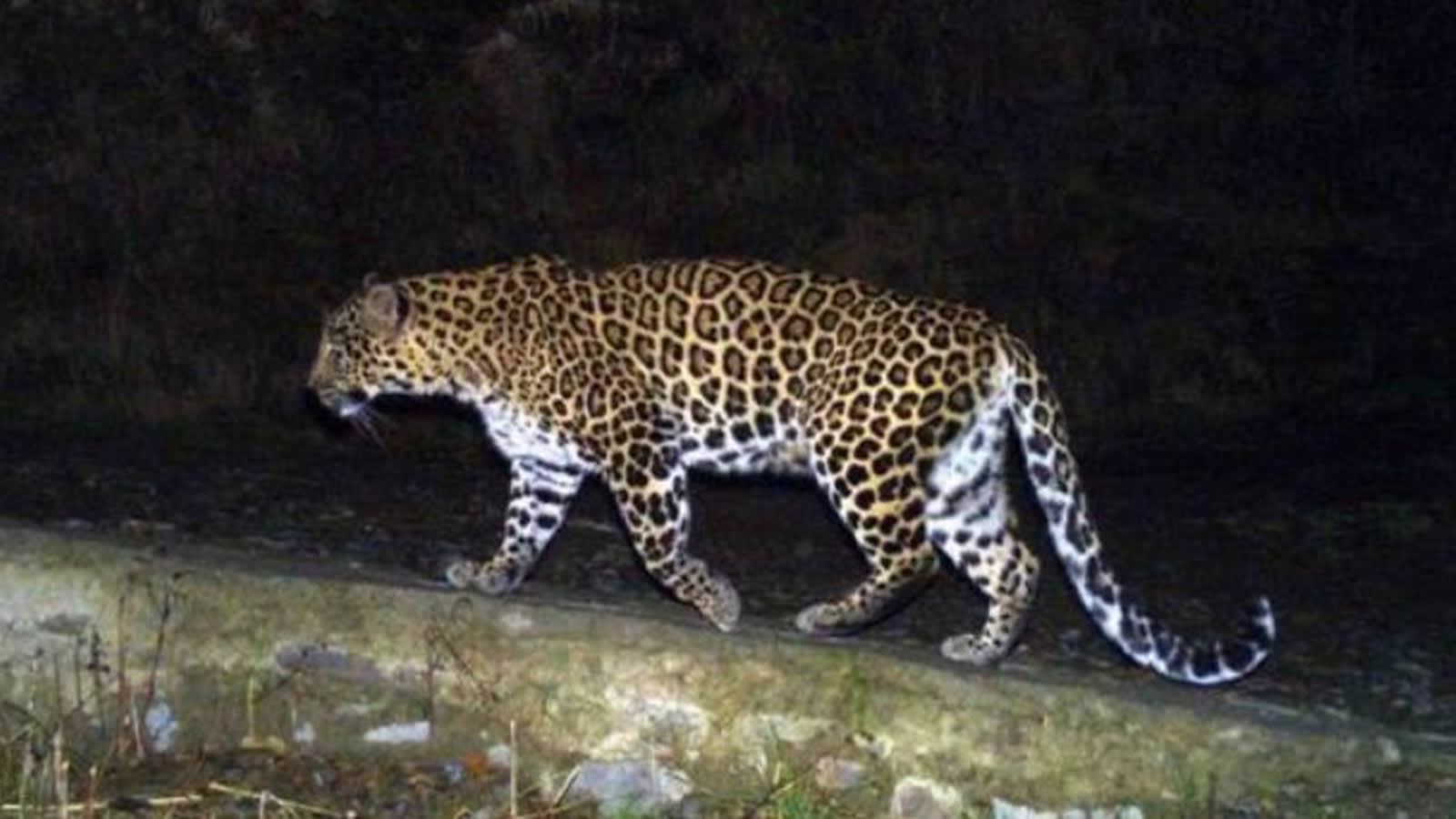
Two individuals, including an eight-year-old child, have been killed in separate big cat attacks within Uttar Pradesh's Katarniaghat Wildlife Division. Forest officials are currently tracking the animals as panic spreads across local communities.
Wildlife Conflict Escalates in Uttar Pradesh
Recent reports from the Katarniaghat Wildlife Division in Uttar Pradesh have confirmed a tragic escalation in human-wildlife conflict. Two individuals, including an eight-year-old boy and a woman, have lost their lives in separate incidents within the Dharmapur and Motipur ranges. These attacks have cast a shadow of fear over local communities residing on the forest's edge, prompting an immediate response from local authorities.
Contextualizing the Crisis
The situation in Bahraich is not an isolated phenomenon but rather part of a broader pattern of increasing leopard and big cat interactions across Uttar Pradesh. With over 500 villages in the nearby Moradabad and Bijnor districts already on high alert due to similar predator activity, the region is facing a significant challenge in managing wildlife corridors and human settlements. The encroachment of agricultural activities into forest fringes often reduces the natural prey base for these apex predators, forcing them to venture closer to human habitations.
Forest Department Response
In response to the fatalities, the forest department has mobilized specialized teams to track the animals responsible for the attacks. These units are currently camping in the affected areas, utilizing surveillance and monitoring techniques to mitigate further risks. The primary objective remains the identification of the specific animals involved and the prevention of further loss of life, a task complicated by the dense vegetation and the nocturnal nature of big cats.
Broader Implications for Conservation
These incidents highlight the fragile equilibrium between wildlife conservation and the safety of rural populations. As forest cover shrinks or becomes fragmented, the frequency of such encounters is likely to rise. This necessitates a more robust strategy for wildlife management that includes better community awareness, improved infrastructure for early warnings, and potentially, the creation of buffer zones to minimize human-animal interaction.
Future Trends and Mitigation
Looking ahead, the government will likely need to intensify its efforts in monitoring big cat populations within the Katarniaghat Wildlife Division. Future trends suggest that without sustainable land-use planning and enhanced protection measures, such conflicts will continue to challenge local authorities. The focus must shift toward long-term coexistence strategies, ensuring that both the biodiversity of the region is protected and the safety of the residents in the forest fringe villages is prioritized through proactive intervention.