Bihar CM office staff booked as Jamui victim’s photo is shared on Samrat Choudhary’s X handle
Source Entity
Himanshu Harsh
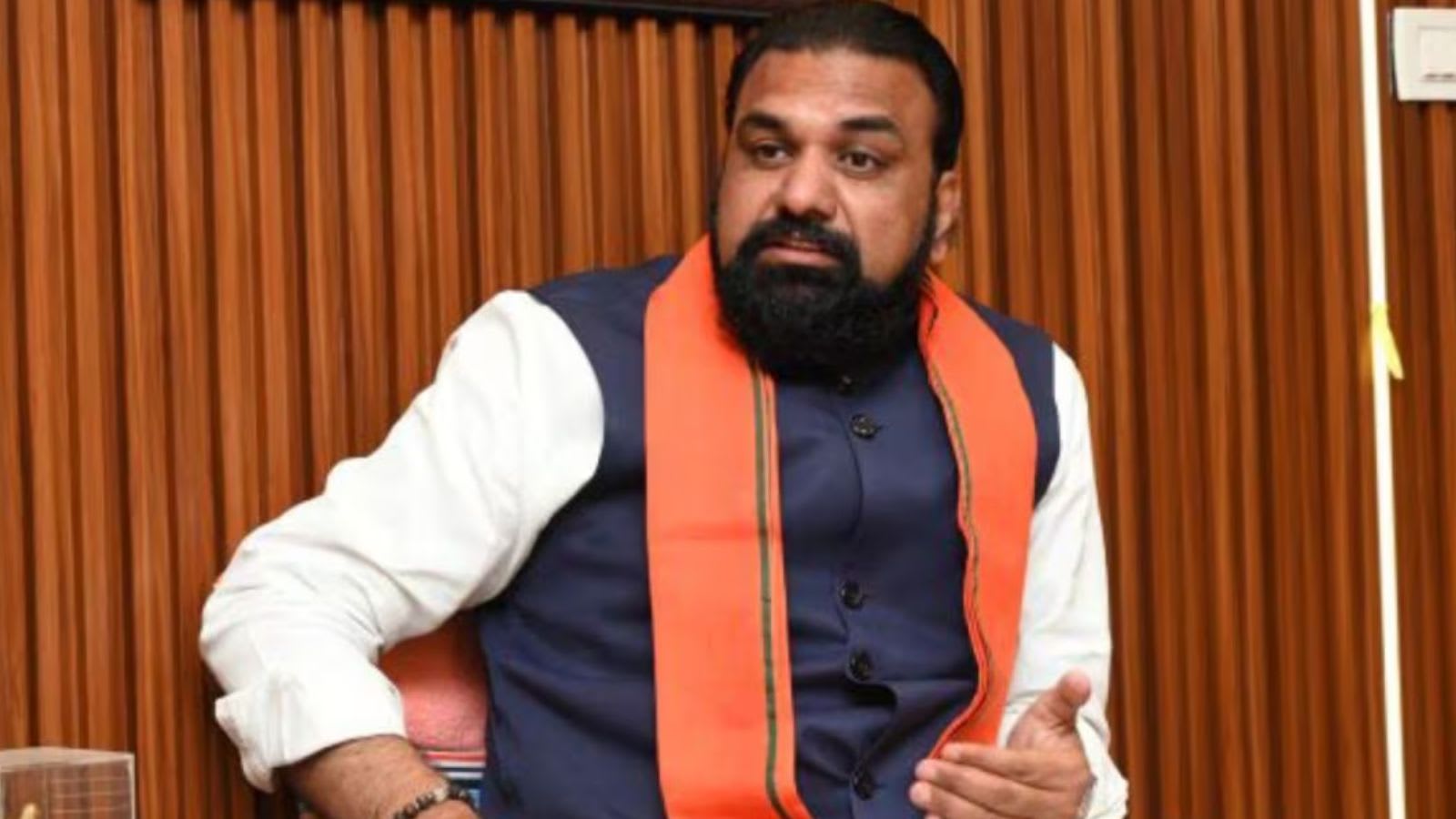
Bihar authorities have registered FIRs following the unauthorized sharing of a POCSO victim's identity on the official X handle of Deputy CM Samrat Choudhary and the circulation of AI-generated videos. A CMO stenographer has been booked for the privacy breach, highlighting legal challenges in protecting minor victims in the digital age.
Breach of Privacy in the Jamui Case
Recent events in Bihar have sparked a significant legal and political controversy regarding the protection of minor victims in the digital age. Following a harassment incident in Jamui, administrative and social media lapses have led to the registration of multiple FIRs, centering on the unauthorized disclosure of the victim's identity. This situation underscores the critical intersection of political optics, administrative responsibility, and the stringent legal protections afforded to victims under the Protection of Children from Sexual Offences (POCSO) Act.
Administrative Accountability and the CMO
The controversy intensified after a photograph featuring the Jamui victim and her family was uploaded to the official X (formerly Twitter) handle of Deputy Chief Minister Samrat Choudhary. Following public outrage and a push from opposition leaders like Misa Bharti, the Patna Police registered a case against a stenographer at the Chief Minister’s Office (CMO). The FIR, filed at the Secretariat Police Station, specifically cites the violation of the victim's privacy and dignity, noting that such disclosures risk exposing the identity of a minor, which is strictly prohibited under Indian law.
The Role of Artificial Intelligence in Misinformation
Parallel to the administrative lapse at the CMO, Bihar Police have also targeted the proliferation of misinformation. A social media user, identified as Kishori Kumar Yadav, was booked by the Cyber Police Station for allegedly creating and uploading AI-generated videos of the victim and her friend. Authorities stated that these misleading clips not only violated the victim's anonymity but also threatened social harmony. The use of AI to manipulate or fabricate content related to sensitive criminal cases represents a growing threat to investigative integrity and victim safety.
Legal Frameworks and Victim Protection
The registration of cases under the POCSO Act, the Juvenile Justice Act, the Bharatiya Nyaya Sanhita (BNS), and the IT Act highlights the multi-layered legal approach required to address digital harms. The POCSO Act, in particular, contains rigorous provisions to prevent the secondary victimization of children. By charging both a government employee and a private social media user, the authorities are signaling that the mandate to protect minor identities applies equally to official channels and the general public.
Broader Political and Social Implications
The incident has become a focal point for political friction in Bihar. Misa Bharti’s intervention underscores the role of opposition scrutiny in holding government offices accountable for procedural lapses. As digital platforms become central to political communication, the case serves as a cautionary tale for government offices regarding the vetting of content before it is disseminated. The reliance on staff to manage high-level social media accounts requires stricter oversight to ensure that political messaging does not inadvertently trample on fundamental rights.
Future Trends in Digital Surveillance
Looking ahead, this case suggests that law enforcement agencies will increasingly rely on cyber-policing to curb the spread of sensitive content involving minors. The challenge of policing AI-generated misinformation is likely to grow, necessitating more sophisticated monitoring tools and rapid-response protocols. As the judiciary continues to emphasize the 'right to be forgotten' and the protection of minor identities, government bodies and private citizens alike must navigate these digital spaces with heightened caution to avoid legal repercussions and moral failure.
Multiple Citing Sources