Can Trump ever be wrong? His pick to lead FDA refused to say.
Source Entity
Beth Mole
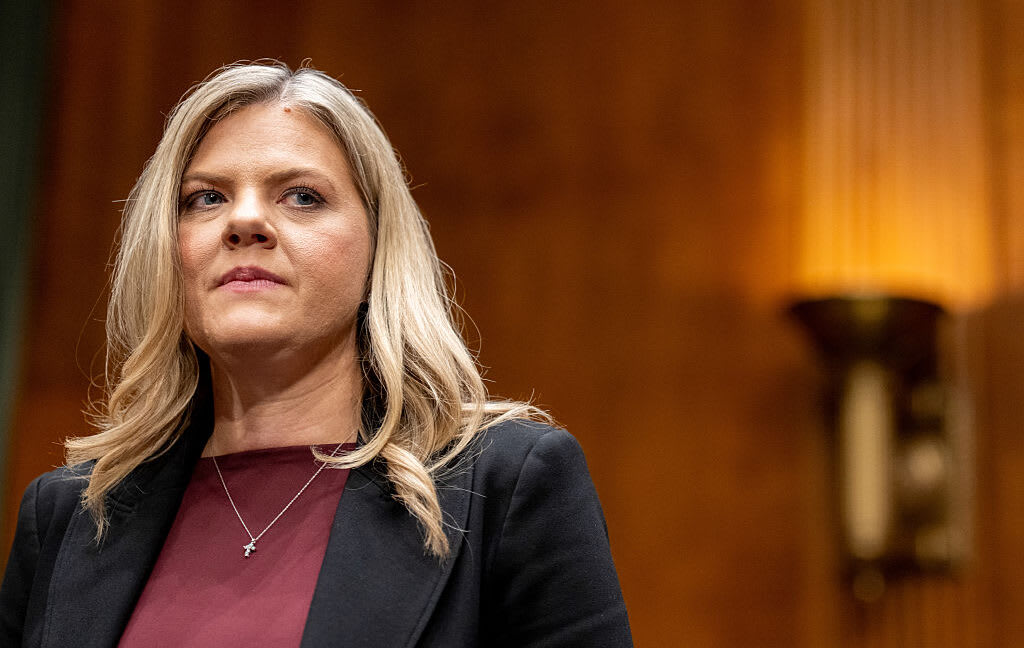
Heidi Overton's FDA confirmation hearing was marked by a refusal to answer direct questions on public health policy. Her background and alignment with President Trump have raised concerns regarding the agency's future objectivity.
The FDA Nomination: A Test of Institutional Integrity
President Trump’s nomination of Heidi Overton to lead the Food and Drug Administration (FDA) has ignited a significant debate regarding the intersection of political loyalty and public health mandates. During her recent Senate health committee appearance, Overton, a physician and current deputy assistant to the president for domestic policy, faced intense scrutiny over her potential to maintain the FDA’s scientific independence. The confirmation process serves as a critical juncture for an agency tasked with regulating everything from life-saving pharmaceuticals to consumer nicotine products.
The Challenge of Stonewalling
Over the course of a two-hour session, Overton’s refusal to provide substantive answers to basic policy inquiries created an atmosphere of tension. By stonewalling senators on topics ranging from vaccine efficacy to the regulation of flavored vapes, she has drawn criticism from those who argue that the FDA commissioner must be a transparent advocate for evidence-based medicine. This evasiveness stands in contrast to the traditional expectation that nominees for health agencies provide clear, data-driven positions to ensure public trust.
Ideological Influence and Reproductive Health
Central to the controversy is Overton’s professional background, which includes tenure at a conservative think tank and a vocal stance against abortion. The FDA is currently engaged in ongoing reviews regarding the safety and access of mifepristone, the abortion pill. Given the extensive clinical data confirming the drug's safety profile, critics fear that an FDA led by an individual with such a clear ideological agenda may prioritize political goals over established scientific consensus, potentially jeopardizing reproductive healthcare access.
Broader Implications for Public Health
The FDA’s mandate is to protect the public by ensuring the safety and efficacy of medical products. When a nominee is perceived as being unable or unwilling to separate personal or political ideology from regulatory decision-making, it threatens the agency's credibility. If the FDA is viewed as a tool of the executive branch rather than an impartial scientific body, it risks eroding the public's confidence in vaccines, drug approvals, and medical guidance.
Looking Toward the Future
As the confirmation process moves forward, the Senate faces a difficult decision. The precedent set by this nomination will likely dictate the future relationship between the White House and the FDA. If Overton is confirmed, the agency may see a shift toward policies that align more closely with the president's political priorities. Conversely, if senators continue to demand accountability, they may force a shift in her approach to public health communication, though the long-term impact on the FDA’s institutional culture remains a subject of intense speculation.