CM Samrat Choudhary directs officials to submit detailed report on flood damage in Bihar
Source Entity
India Latest News: Top National Headlines Today & Breaking News | The Hindu
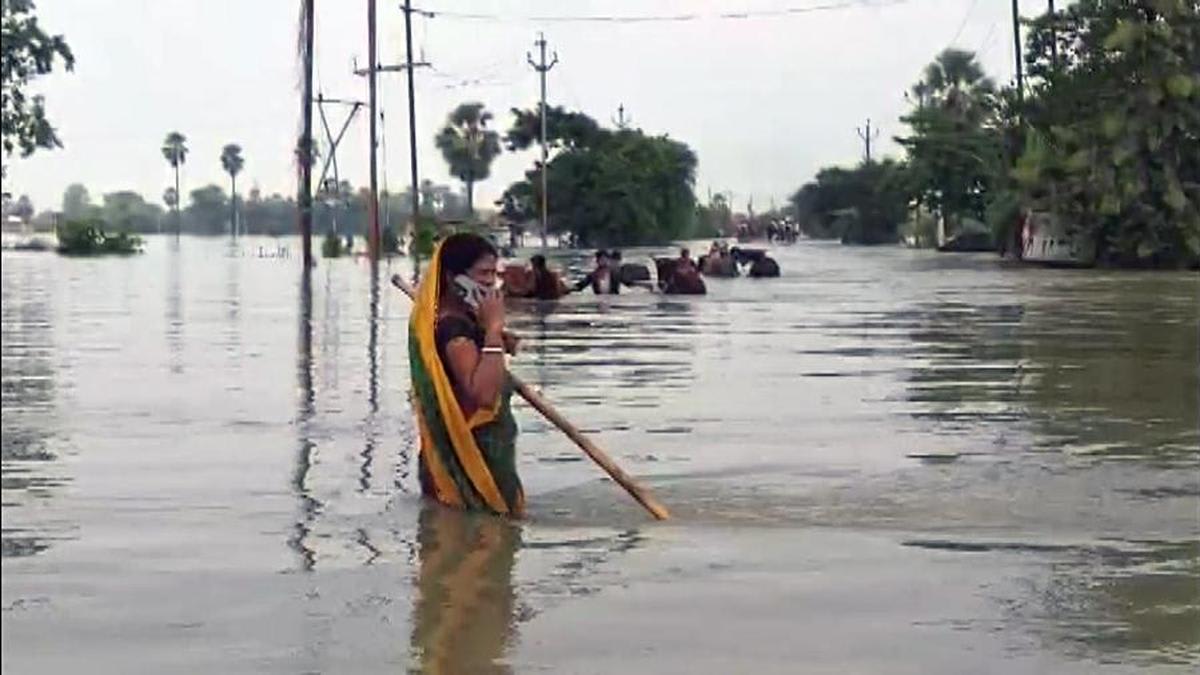
Bihar Chief Minister Samrat Choudhary has ordered an urgent assessment of flood damages across the state. The administration is focusing on silt management as a primary long-term solution to mitigate the impact of rising river levels.
Bihar Administration Orders Urgent Flood Damage Assessment
On October 6, 2026, Bihar Chief Minister Samrat Choudhary convened a high-level review meeting to address the devastating impact of recent flooding. Accompanied by BJP National President Nitin Nabin and Deputy Chief Ministers Vijay Kumar Choudhary and Bijendra Prasad Yadav, the Chief Minister issued a mandate for the Disaster Management Department to compile a comprehensive report on infrastructure damage and rehabilitation costs. This directive signals a shift toward a data-driven recovery process aimed at streamlining the allocation of state resources to affected districts.
The Anatomy of the 2026 Flood Crisis
The current crisis has been characterized by unprecedented water volumes flowing through the Ganga, Gandak, and Son river systems. Chief Minister Choudhary emphasized that the intensity of this year's flooding surpassed historical precedents, overwhelming existing drainage and containment infrastructure. This surge in water volume has not only disrupted local livelihoods but has also highlighted the fragility of Bihar's flood-prone regions when faced with extreme weather patterns exacerbated by shifting regional hydrology.
Siltation: The Core Structural Challenge
A critical technical point raised during the review meeting was the role of silt accumulation in riverbeds. As rivers carry vast amounts of sediment from upstream, the rising riverbeds significantly reduce the channel's capacity to carry excess water, leading to inevitable overflows. The Chief Minister identified this siltation as a primary driver of the current disaster, underscoring that without addressing the riverbed elevation, traditional embankment strategies remain insufficient to protect the state from future inundations.
Pioneering Policy: The Bihar Silt Management Framework
In response to these systemic challenges, Bihar has positioned itself as a national leader by formulating the country's first state-level Silt Policy. This legislative and operational framework represents a proactive attempt to manage sediment before it creates catastrophic bottlenecks. By prioritizing the removal and management of silt, the administration aims to restore the natural flow capacity of its major rivers, potentially reducing the scale of future flood-related disasters.
Future Implications and Recovery Trends
The immediate focus for the Bihar government remains the accurate quantification of losses to ensure that relief funds are distributed effectively to those in need. Looking forward, the integration of the new silt policy with disaster management protocols will be the litmus test for the state's resilience. As officials move to finalize the damage report, the emphasis is expected to transition from emergency response to a long-term strategy involving structural river maintenance and the hardening of critical infrastructure against future climate-induced water surges.
Verification Required?