Karnataka Public Service Commission job racket: ED arrests suspended KPSC chairman Shivashankarappa Sahukar, another officer
Source Entity
Johnson T A
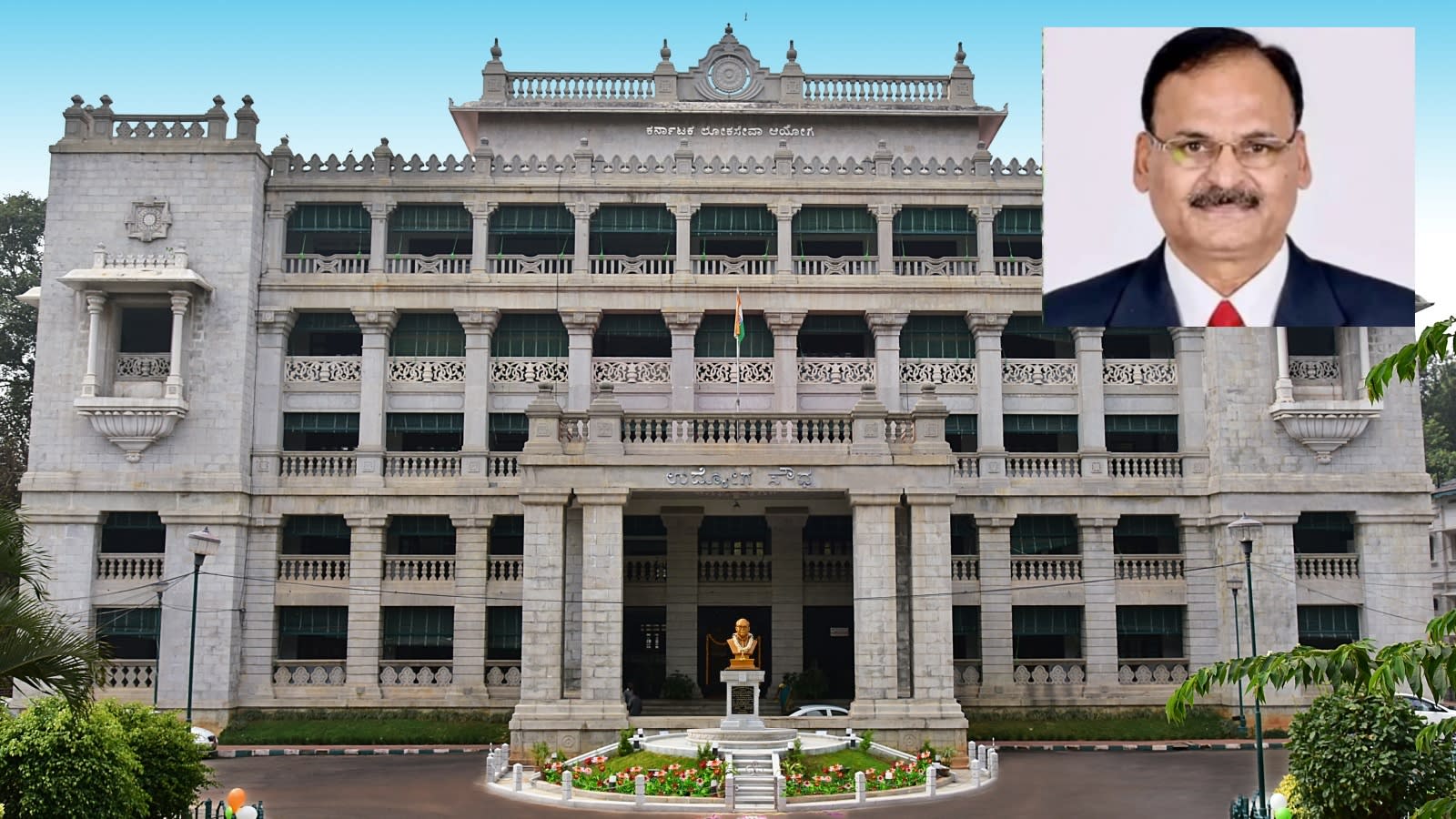
The Enforcement Directorate has arrested former KPSC chairman Shivashankarappa S. Sahukar and member B.V. Geetha in connection with a recruitment scam involving 400 veterinary officer posts. The arrests follow revelations from an ongoing money laundering probe into exam paper leaks and systemic corruption.
The KPSC Recruitment Scandal: A Deep Dive into Institutional Corruption
The Collapse of Integrity at the KPSC
Recent developments in Karnataka have sent shockwaves through the state’s administrative apparatus as the Enforcement Directorate (ED) escalated its crackdown on the Karnataka Public Service Commission (KPSC). The arrest of former KPSC chairman Shivashankarappa S. Sahukar and commission member B.V. Geetha marks a significant escalation in the probe into a massive recruitment racket. This investigation centers on the alleged manipulation of the selection process for 400 veterinary officer positions, a scandal that threatens to undermine public faith in one of the state's most vital constitutional bodies.
The Role of IAS Officer Gyanendra Kumar Gangwar
The investigation gained momentum following the custodial interrogation of IAS officer Gyanendra Kumar Gangwar, who served as the KPSC’s controller of examinations. Allegations suggest that Gangwar orchestrated a sophisticated paper leak, providing exam questions and answers to approximately 20 candidates. These candidates reportedly paid bribes ranging from Rs 20 lakh to Rs 40 lakh to secure their positions, utilizing a middleman identified as Basavaraj Kannale to facilitate the illicit transactions. The discovery of an apartment purchased in the name of Gangwar’s family members near the Bengaluru airport serves as a critical piece of evidence, pointing toward the laundering of these illicit gains.
Systematic Failures and Regulatory Oversight
The depth of this corruption suggests a systemic failure within the KPSC. By allegedly leaking papers for exams held on January 8 and 9, the accused compromised the meritocratic foundation that the KPSC is mandated to protect. The involvement of top-tier officials, including the chairman and a sitting member, indicates that the rot may have permeated the highest echelons of the commission, turning a public service entity into an avenue for personal enrichment.
The Enforcement Directorate’s Strategic Approach
The ED’s dual-pronged strategy—combining custodial interrogations with targeted raids on residential properties—has been instrumental in uncovering the financial trails associated with this racket. By connecting the statements provided by Gangwar and Kannale to the physical evidence found during searches at Sahukar’s residence, the agency has effectively moved from circumstantial suspicion to concrete legal action. The decision to seek custody for both Sahukar and Geetha before a special judge signifies the intent to conduct a comprehensive audit of the commission's recent recruitment history.
Broader Implications and Future Trends
This case highlights the urgent need for stringent reforms in recruitment processes for government bodies across India. When the guardians of meritocracy are themselves accused of auctioning off public service roles, the long-term impact on governance and administrative efficiency is profound. Moving forward, it is likely that the Karnataka government will face immense pressure to overhaul the KPSC’s internal security and oversight protocols. The ongoing legal proceedings will not only determine the fate of the accused but will also serve as a litmus test for the state’s commitment to eradicating corruption at the bureaucratic level.
Conclusion
The arrest of top KPSC officials is a pivotal moment in the fight against recruitment corruption. As the Enforcement Directorate continues to unravel the financial networks behind the veterinary officer scam, the focus will remain on whether these arrests lead to a broader restructuring of the KPSC to prevent such institutional betrayal in the future.
Multiple Citing Sources