Bihar MLA conviction: When can a legislator be disqualified and seat declared vacant?
Source Entity
Amaal Sheikh
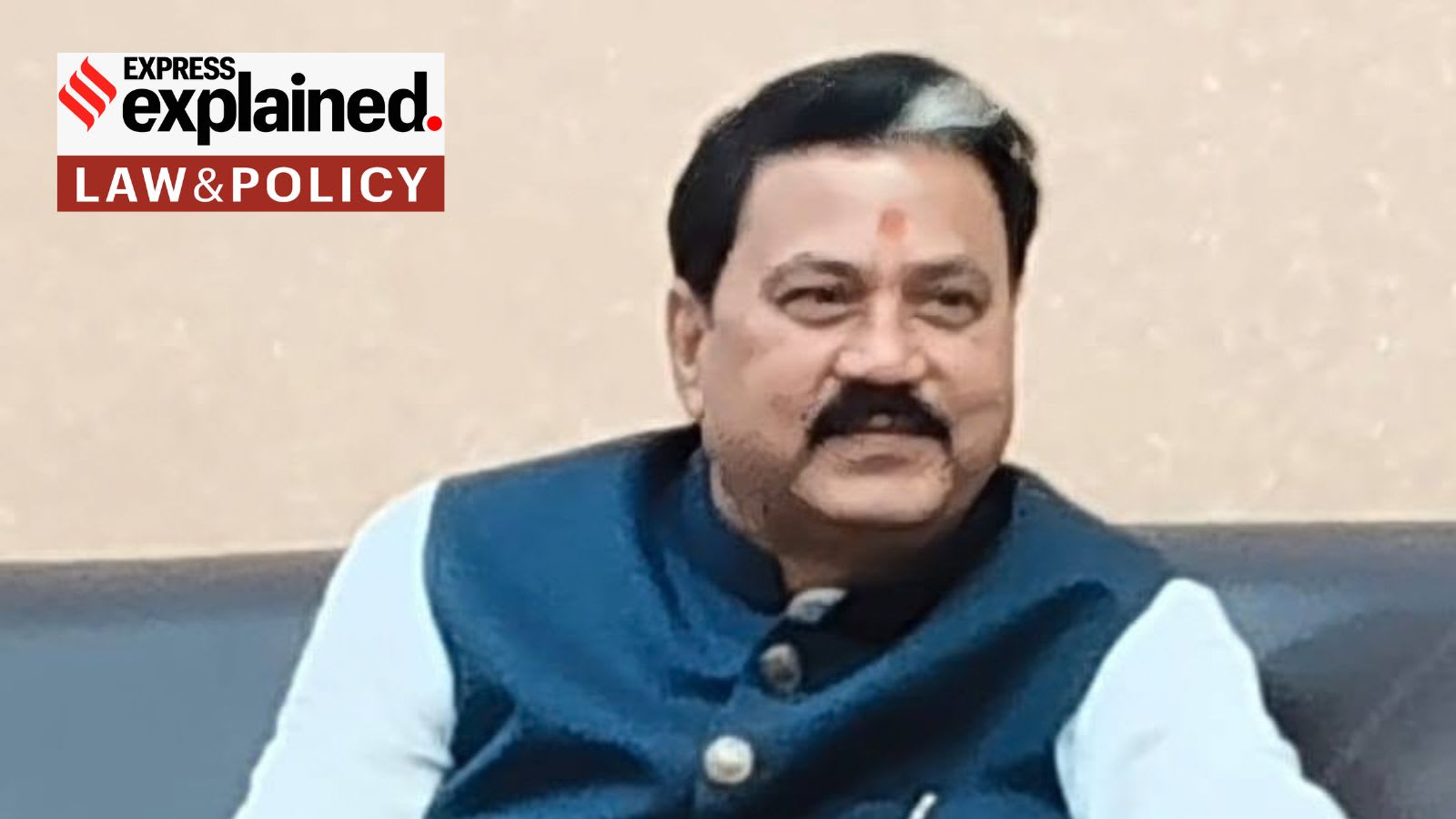
The Delhi High Court has refused to stay the conviction of Bihar BJP MLA Raju Kumar Singh, following his sentencing in a 2018 death case. Despite this, his legislative seat remains vacant, prompting calls for legal clarity on disqualification procedures.
Legal Stagnation: The Case of Raju Kumar Singh
The recent decision by the Delhi High Court to deny a stay on the conviction of Bihar BJP MLA Raju Kumar Singh highlights a critical intersection between criminal jurisprudence and parliamentary ethics. Singh, convicted for his involvement in a 2018 New Year’s Eve incident that resulted in a woman's death, faces a four-year prison sentence. While the High Court granted a suspension of his sentence, it explicitly refused to stay the conviction, citing his extensive criminal history and lack of a 'clean slate.' This judicial stance underscores the judiciary's reluctance to grant relief to public representatives who fail to maintain the high moral standards expected of their office.
The Mechanics of Legislative Disqualification
Under the Representation of the People Act, 1951, specifically Section 8, a legislator is automatically disqualified upon conviction for certain offenses if the sentence is for two years or more. The Supreme Court’s landmark judgment in Lily Thomas v. Union of India reinforced this by stipulating that disqualification is immediate upon conviction. However, the nuance in Singh’s case lies in the distinction between a suspended sentence and a stayed conviction. A stay of conviction is a rare judicial exercise that essentially keeps the disqualification in abeyance; without it, the legal mandate for disqualification should theoretically trigger.
Administrative Delays and Accountability
More than three months have elapsed since the Rouse Avenue Court’s sentencing, yet the Bihar Assembly has failed to declare Singh’s seat vacant. This administrative inertia has sparked political criticism, notably from CPI(ML)L general secretary Dipankar Bhattacharya, who has questioned the delay. Such gaps between judicial rulings and legislative action raise concerns regarding the enforcement of electoral laws. When the legislative body hesitates to act on a clear judicial conviction, it risks creating a perception of political protectionism, which undermines public trust in the democratic process.
The Burden of 'Clean Antecedents'
The High Court’s observation regarding Singh’s record is particularly telling. By noting that he does not have 'clean antecedents' and possesses a 'long list of cases' in his history, the court has signaled that the judiciary is increasingly factoring in the broader track record of a public figure when deciding on discretionary relief. This sets a precedent where past conduct—even if it resulted in acquittals—serves as a barrier to securing the legal stays necessary to maintain political office.
Broader Implications for Indian Democracy
The ongoing delay in declaring the seat vacant prompts a deeper look into the systemic issues surrounding the disqualification of lawmakers. It forces a question of whether the process is too reliant on the initiative of the Speaker or the administrative machinery of the Assembly, rather than being an automatic, self-executing process. As political parties continue to grapple with the 'criminalization of politics,' the consistency of applying disqualification rules remains a litmus test for the health of India's legislative integrity.
Future Trends and Judicial Oversight
Looking ahead, it is probable that this case will lead to further litigation or petitions aimed at compelling the Bihar Assembly to act. If the seat remains occupied despite the High Court's refusal to stay the conviction, it may invite higher judicial intervention. The tension between the judiciary’s strict interpretation of the law and the legislature's apparent reluctance to enforce it suggests that future reforms may need to focus on making disqualification procedures more rigid and less subject to local administrative discretion.