The Republican candidates walking a Trump tightrope
Source Entity
BBC News
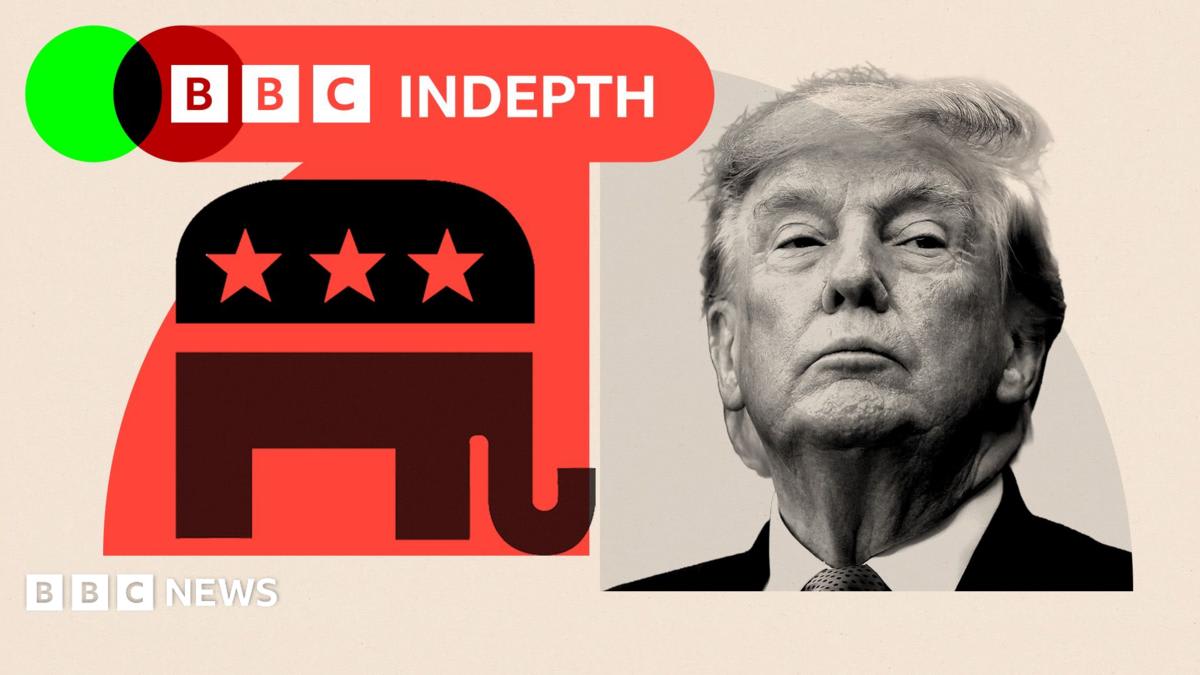
Republican candidates face a strategic dilemma in the midterm elections as they balance President Trump's economic claims against public concern over the cost of living. While Trump touts historic economic indicators, voters remain focused on affordability, creating a political tightrope for his party.
The Strategic Tightrope: Navigating the Trump-Era Midterms
As the midterm elections enter their final, high-stakes sprint, Republican candidates across the United States are finding themselves in a precarious political position. The challenge lies in balancing their allegiance to President Donald Trump—who remains the undisputed, dominant force within the Republican party—against the potential electoral liability of his polarizing rhetoric and specific policy narratives. This "tightrope" walk is not merely a matter of political style, but a calculated effort to maintain the support of the Trump base while simultaneously appealing to moderate, independent voters who may be wary of the President’s approach.
The Disconnect on Economic Reality
At the heart of this friction is a fundamental disagreement over the state of the American economy. President Trump has consistently utilized the campaign trail to champion his administration's economic record, frequently asserting that he has delivered the best economic performance in the nation's history. By highlighting roaring stock market indexes and low poverty rates, the President is attempting to set a narrative of unprecedented success. However, he often dismisses the critical nuance of the average citizen’s experience, labeling concerns regarding the high cost of living as "fake" or politically motivated "hoaxes."
The Voter's Perspective vs. Presidential Rhetoric
While the President’s reliance on select macroeconomic indicators is a standard political tactic, it creates a significant dissonance for candidates on the ground. The American public, despite the positive performance of certain national indicators, is increasingly focused on the tangible challenges of affordability. When the President dismisses these daily financial pressures as nonexistent, he risks alienating voters who feel the pinch of inflation or rising costs. Consequently, Republican candidates must decide whether to mirror the President’s dismissive stance or acknowledge the public's anxiety, a choice that could define their success in the upcoming November elections.
Historical Context and Political Polarization
Historically, midterms often serve as a referendum on the sitting president. In this cycle, the intensity of the political divide is exacerbated by the President’s tendency to "bend reality" to fit his campaign messaging. This approach forces candidates to grapple with a unique dilemma: embrace the President’s populist appeal and risk losing the center, or distance themselves and risk the wrath of the core Republican voter base. This dynamic is a defining feature of the current political era, where party loyalty is often tested by the individual candidate’s alignment with the President's personal brand.
Predicting Future Trends
Looking ahead, the fallout from this midterm cycle will likely determine the future trajectory of the Republican party. If candidates successfully navigate this tightrope by localized messaging that addresses economic concerns while respecting the Trump base, the party may retain its legislative influence. However, if the disconnect between presidential rhetoric and the lived reality of the electorate persists, it could signal a long-term vulnerability for the party. The outcome of these elections will ultimately reveal whether the "Trump effect" remains a net positive for down-ballot Republicans or if the friction over economic policy has created a new, more difficult environment for the party's future campaigns.