Amid Rahul & Priyanka’s ‘Sting’ moment, PepsiCo gets court relief
Source Entity
Sohini Ghosh
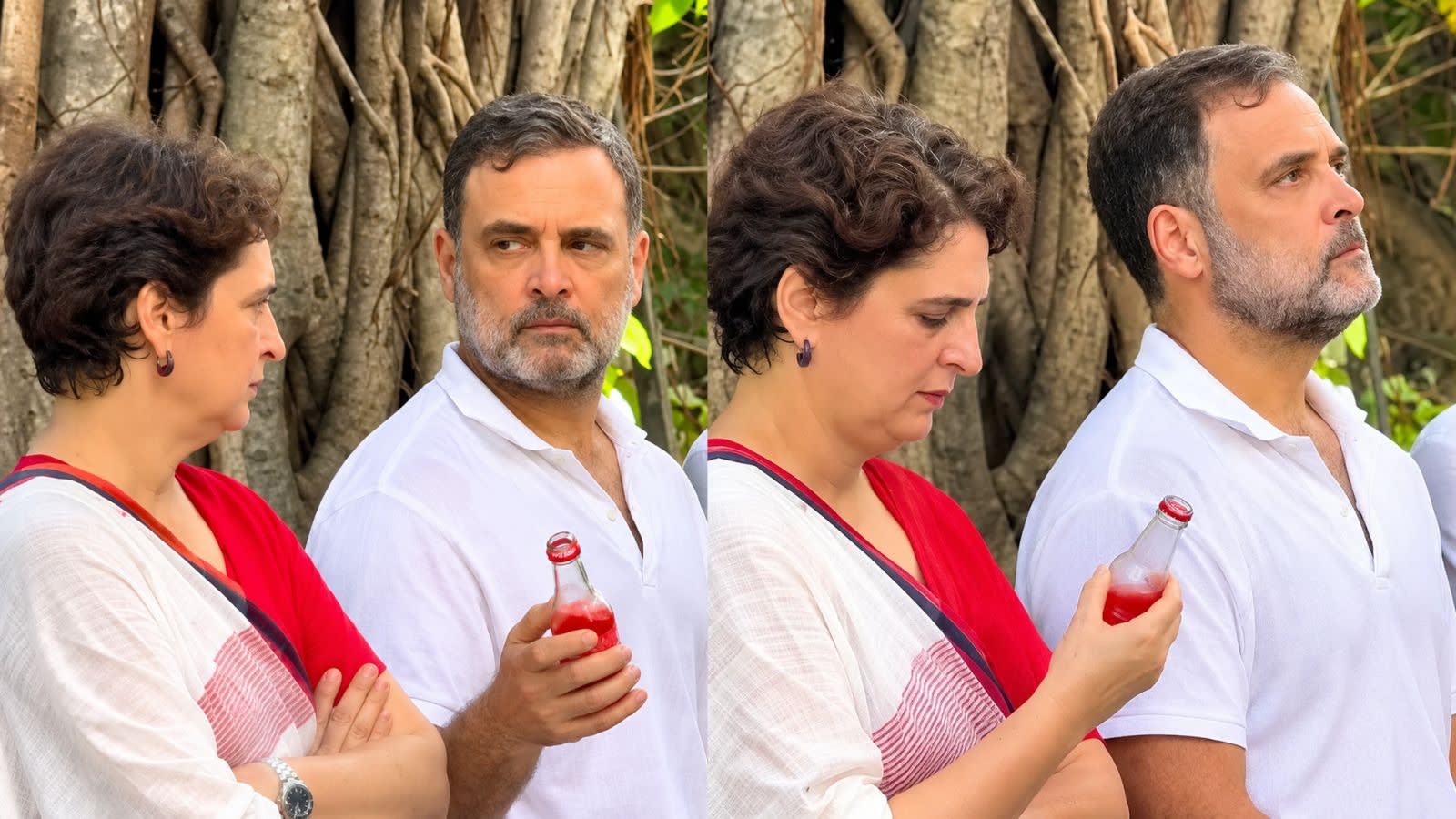
INDIA bloc MPs led by Rahul and Priyanka Gandhi staged a protest march to the Election Commission demanding the resignation of CEC Gyanesh Kumar. The standoff intensified as police blocked the march, citing a lack of formal meeting requests from the opposition leaders.
Standoff at the Election Commission: INDIA Bloc Protests ECI Integrity
On Tuesday, a significant escalation in political tensions occurred in New Delhi as members of the INDIA bloc, including Leader of Opposition Rahul Gandhi and Congress MP Priyanka Gandhi Vadra, organized a march from the Parliament House complex toward the Election Commission of India (ECI) headquarters. The protest was aimed at expressing deep-seated dissatisfaction with the current electoral administration and specifically targeted Chief Election Commissioner (CEC) Gyanesh Kumar, with protesters demanding his immediate resignation.
The Anatomy of the Protest
The march encountered heavy security barriers, including extensive barricading placed between the NITI Aayog office and Akashvani Bhavan. Police forces stopped the delegation, preventing them from reaching the ECI headquarters. In response, the opposition leaders staged a sit-in (dharna) on the road, utilizing visual props such as cutouts depicting the CEC in an RSS uniform to allege political bias. Slogans such as “BJP hai CEC hai” and “Democracy not for sale” were raised, signaling a broader ideological confrontation regarding the neutrality of India's apex poll body.
Core Grievances and the SIR Controversy
Central to the protest is the opposition's ongoing concern regarding the Special Intensive Revision (SIR) exercise, a process they argue is being manipulated to undermine electoral fairness. The INDIA bloc has consistently questioned the transparency of the ECI, and this specific march served as a physical manifestation of their frustration. By targeting the CEC, the opposition is challenging the institutional integrity of the commission, alleging that it acts in alignment with the ruling party's political interests.
The Institutional Standoff
The situation reached a stalemate when the Election Commission issued a statement claiming that they had received no formal request for a meeting from any political party involved in the march. This administrative gap highlights the communication breakdown between the constitutional body and the primary opposition coalition. While the Congress leadership maintained their position at the protest site—declaring they would remain as long as necessary—the ECI’s refusal to engage without a formal request underscored the rigid procedural nature of the commission in the face of political agitation.
Broader Implications and Future Trends
This incident reflects a widening chasm between the opposition and constitutional institutions in India. The use of public protests to challenge the Election Commission suggests that the INDIA bloc intends to escalate its strategy from parliamentary debates to direct public confrontation. As the standoff resulted in the detention of several leaders by police, it is likely that the discourse surrounding electoral processes will remain highly polarized. Future trends indicate that the integrity of the ECI will remain a central pillar of political debate, with the opposition likely to continue leveraging public demonstrations to highlight what they perceive as systemic electoral irregularities.
Multiple Citing Sources