Local QR codes, deleted posts: How Bishnoi syndicate covers its tracks from abroad
Source Entity
Mohamed Thaver
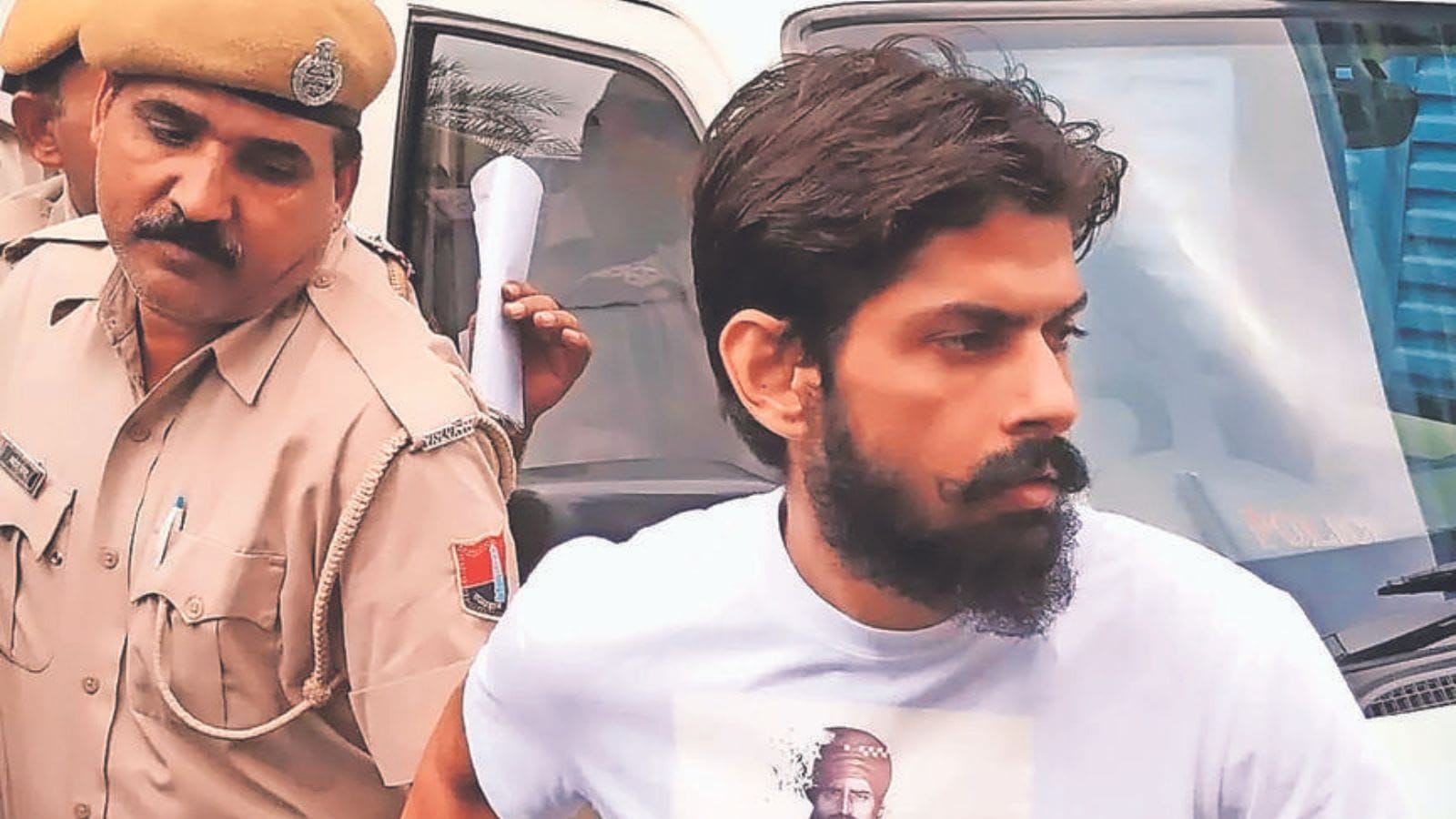
Investigations reveal the Bishnoi syndicate is using local QR codes and compartmentalized communication to facilitate attacks on high-profile Bollywood figures. Authorities are tracking these sophisticated methods used by gang operators based abroad to obscure financial trails.
The Evolving Modus Operandi of the Bishnoi Syndicate
Recent investigations by the Delhi Police Special Cell into the targeting of Bollywood personalities, specifically incidents involving actors Tiger Shroff and Amitabh Bachchan, have shed light on the increasingly sophisticated operational tactics of the Bishnoi syndicate. By utilizing local QR codes linked to unsuspecting residents, the syndicate is effectively laundering money across borders, creating a significant barrier for law enforcement agencies attempting to trace the financial flow of criminal activities.
Digital Obfuscation and Financial Shielding
The use of local QR codes represents a calculated shift in how organized crime groups manage their logistics. By leveraging the existing digital payment infrastructure of local, uninvolved citizens, syndicate operators based abroad can transfer funds to shooters without establishing a direct link between the gang leadership and the perpetrators. This method effectively masks the money trail, complicating traditional financial investigations that rely on identifying direct transfers between suspect accounts.
Strategic Compartmentalization
Beyond financial concealment, the Bishnoi syndicate has adopted a strategy of strict compartmentalization. Reports indicate that the gang ensures independent groups working for them remain unaware of one another’s identities. This 'siloed' approach minimizes the risk of a single arrest leading to the dismantling of the entire network. By keeping shooters like Phool Singh, Rehan, and Hrithik isolated, the syndicate maintains operational security even when individual members are apprehended.
Challenges in Cross-Border Policing
The fact that these criminal operations are orchestrated from abroad presents a formidable challenge for Indian law enforcement. The syndicate’s ability to manipulate local digital footprints while physically residing outside the jurisdiction of Indian authorities highlights a growing trend in transnational organized crime. Law enforcement agencies are now forced to navigate international legal frameworks while simultaneously tracking rapidly shifting digital indicators.
Future Trends in Criminal Logistics
As police refine their investigative techniques, the Bishnoi syndicate continues to evolve its methods to eliminate digital footprints. Future trends suggest a move toward even more obscure communication channels and decentralized financial transactions. This technological arms race necessitates a more proactive approach to cyber-intelligence and deeper cooperation between national security agencies and digital payment platforms to prevent the exploitation of local infrastructure for criminal ends.
Conclusion
The investigations into the threats against Bollywood figures serve as a critical case study in the modern evolution of organized crime. By obscuring financial links through local proxies and enforcing strict operational silence, the Bishnoi syndicate poses a complex threat that transcends traditional law enforcement boundaries. Addressing this menace requires a multifaceted strategy that combines advanced digital forensics with robust international coordination.