Bitcoin.com integrates UAE-registered US dollar stablecoin into self-custodial wallet
Source Entity
Cointelegraph by Nate Kostar
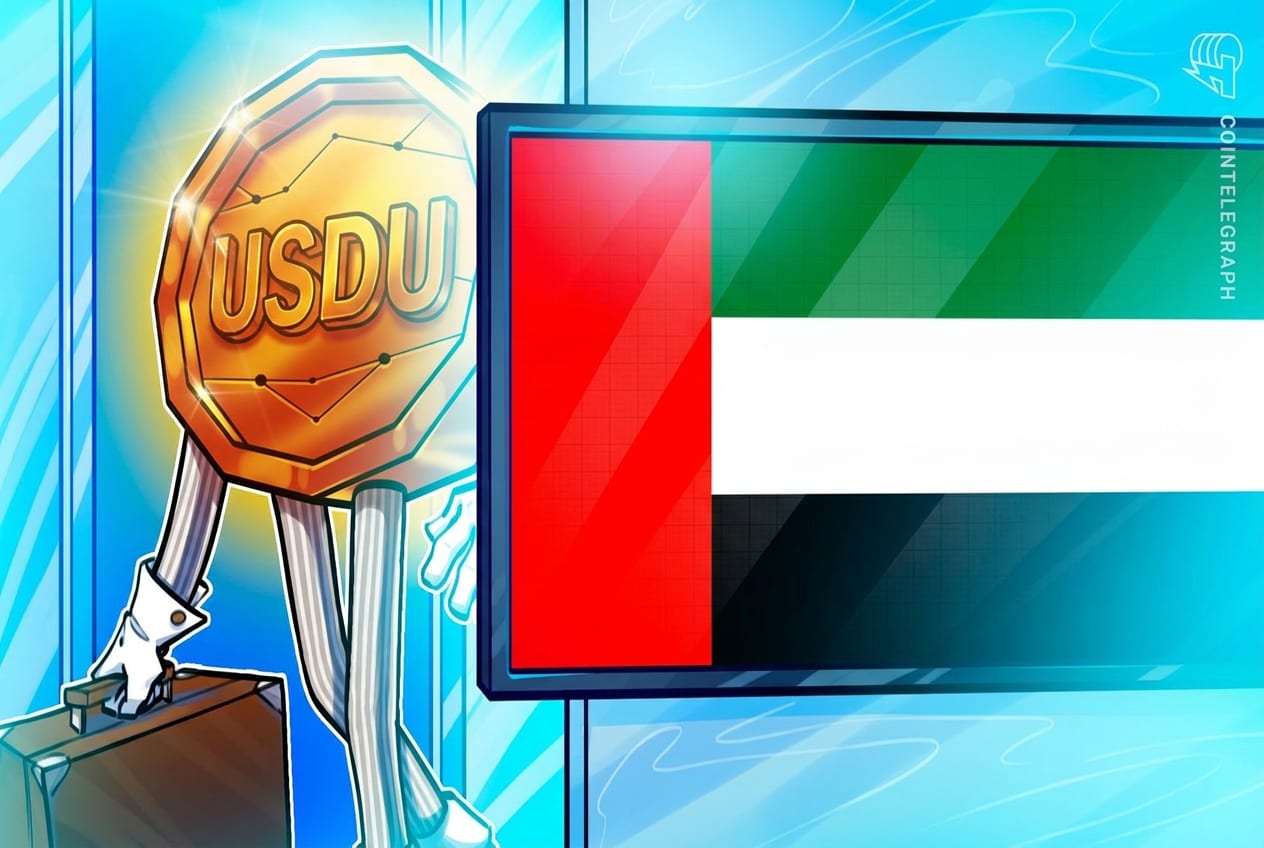
Bitcoin.com has integrated USDU, the UAE's first central bank-registered US dollar stablecoin, into its self-custodial wallet. This move allows users to hold, send, and receive the Ethereum-based token, marking a significant expansion for the asset beyond institutional use.
Bridging Traditional Finance and Decentralized Assets
The integration of the USDU stablecoin into Bitcoin.com’s self-custodial wallet represents a pivotal moment in the evolution of digital finance within the United Arab Emirates. By incorporating the first central bank-registered US dollar stablecoin into a widely used retail-facing platform, the move signals a transition for regulated digital assets from strictly institutional environments to individual, self-custodial use cases.
The Regulatory Framework of USDU
USDU, issued by the Abu Dhabi-based firm Universal Digital, occupies a unique position in the cryptocurrency landscape. It is the first token to be registered as a Foreign Payment Token under the UAE Central Bank’s rigorous Payment Token Services Regulation. Furthermore, its oversight by the Abu Dhabi Global Market (ADGM) Financial Services Regulatory Authority ensures that the asset adheres to strict compliance standards, providing a layer of security and legitimacy that is often absent in the broader, more volatile stablecoin market.
Self-Custody and User Empowerment
By adding USDU to its self-custodial wallet, Bitcoin.com is providing users with direct control over their assets. Unlike centralized exchanges where users hold 'IOUs' of their funds, self-custody allows individuals to manage their private keys, thereby increasing autonomy and reducing counterparty risk. This integration specifically enables users to hold, send, and receive the Ethereum-based token, effectively democratizing access to a regulated, fiat-referenced asset that was previously sequestered within institutional channels.
Strategic Expansion Beyond Institutions
Historically, stablecoins tied to specific regulatory frameworks have primarily served corporate treasuries and institutional liquidity providers. The decision by Universal Digital to expand distribution through Bitcoin.com suggests a strategic pivot toward mass adoption. By meeting users where they already manage their crypto portfolios, the issuer is likely aiming to increase the velocity and utility of USDU in everyday digital transactions.
Future Implications for Regional Finance
The UAE has rapidly positioned itself as a global hub for digital asset regulation. The success of this integration serves as a bellwether for how other nations might adopt 'Payment Token' models. If this partnership proves successful in fostering user trust and liquidity, it could encourage other central banks to develop similar frameworks, effectively creating a global network of regulated, interoperable stablecoins that bridge the gap between traditional banking and Web3.
Conclusion: A New Standard for Stablecoins
Ultimately, the integration of USDU into a self-custodial ecosystem marks a significant milestone for the maturity of the digital asset industry. By combining the safety of a central bank-regulated framework with the decentralized nature of self-custodial wallets, this development provides a blueprint for how future stablecoins may operate in a globalized, compliant, and user-centric financial environment.