'Khela Hobey Divas' now 'Ayushman Divas': BJP's tit-for-tat answer to Didi
Source Entity
TOI NEWS DESK
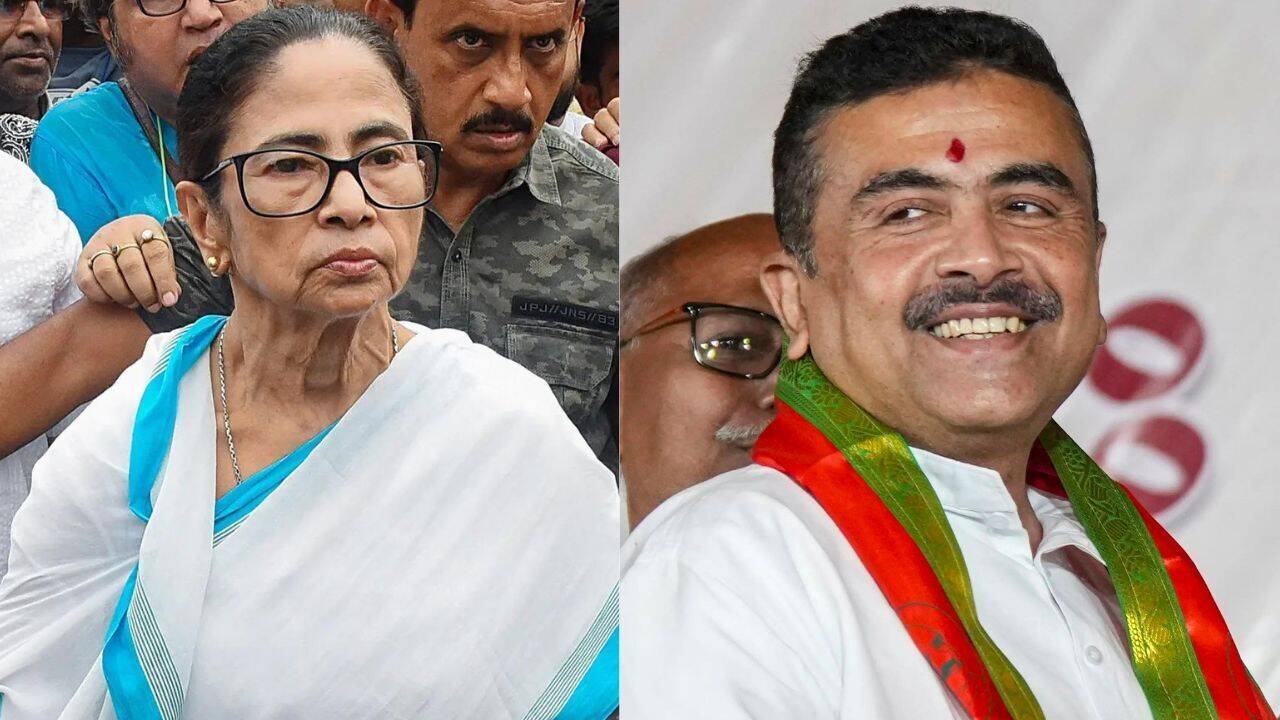
Mamata Banerjee's government had declared August 16 as Khela Hobey Divas in 2021 following the TMC's assembly election victory. The day was officially promoted as a sports initiative aimed at encouraging young people through football tournaments and the distribution of sports equipment. However, the slogan was an apparent dig as Didi had led her last term campaign with "Khela Hobey" slogan.
The Symbolic Warfare of West Bengal: From 'Khela Hobey' to 'Ayushman Divas'
In the high-stakes political arena of West Bengal, the battle for narrative dominance often manifests in the naming of days, schemes, and slogans. The recent shift from the Trinamool Congress (TMC) led 'Khela Hobey Divas' to the BJP's 'Ayushman Divas' is a quintessential example of this 'tit-for-tat' political culture. What appears on the surface to be a simple change in nomenclature is, in reality, a deeply calculated move to reclaim ideological space and challenge the hegemony of Chief Minister Mamata Banerjee's administration.
The Genesis of 'Khela Hobey'
To understand the current friction, one must look back to the 2021 West Bengal Assembly elections. The phrase "Khela Hobey" (literally translating to "the game is on") was more than just a campaign slogan; it was a defiant war cry used by the TMC to signal their readiness to fight the BJP's attempt to enter the state. By institutionalizing August 16 as 'Khela Hobey Divas' in 2021, the Mamata Banerjee government attempted to pivot a political slogan into a state-sponsored sports initiative. By linking the day to football tournaments and the distribution of sports equipment, the government sought to blend political triumph with youth empowerment and athletic promotion, effectively branding the state's victory as a permanent 'game' they were winning.
The BJP's Strategic Rebuttal: 'Ayushman Divas'
The BJP's decision to counter this with 'Ayushman Divas' is a strategic masterstroke designed to shift the focus from 'competition' (the 'game') to 'welfare' (health). By invoking the word Ayushman—which relates to longevity and health, and is heavily associated with the Central Government's flagship Ayushman Bharat health scheme—the BJP is attempting to frame the TMC's initiative as frivolous or purely political. This move transforms the date of August 16 from a celebration of a political slogan into a reminder of the central government's contributions to public health, thereby painting the BJP as the party of substance and governance compared to the TMC's perceived focus on rhetoric.
The Pattern of Tit-for-Tat Politics
This clash is not an isolated incident but part of a broader historical pattern in West Bengal's political landscape. The state has a long history of intense ideological polarization where administrative actions are often viewed through a partisan lens. When one party introduces a scheme or a commemorative day, the opposition frequently attempts to either dismantle it or overlay it with their own branding. This 'tit-for-tat' mechanism ensures that no state initiative remains neutral; every government action is immediately contested, turning the bureaucracy and the calendar into tools of political communication.
Broader Implications for Governance
The transformation of 'Khela Hobey Divas' into a battleground for 'Ayushman Divas' highlights a concerning trend where governance is subsumed by symbolism. While the TMC used sports as a vehicle for political branding, the BJP is using health as a counter-weapon. For the general public, this means that the actual benefits—whether they be football equipment or health insurance—become secondary to the political signaling attached to them. This polarization can lead to a fragmented implementation of welfare schemes, where the delivery of services is contingent upon which party's 'day' or 'brand' is currently dominant in a specific region.
Future Trends and Predictions
Looking forward, it is likely that this symbolic warfare will intensify as West Bengal approaches future electoral cycles. We can expect further 're-brandings' of state holidays and initiatives as both parties vie for the loyalty of the youth and the marginalized. The BJP will likely continue to lean on central schemes to undermine state-level branding, while the TMC will likely innovate new slogans to maintain its populist appeal. The 'Ayushman vs. Khela Hobey' conflict serves as a blueprint for how the two parties will continue to clash: the TMC focusing on regional pride and defiance, and the BJP focusing on national integration and centralized welfare.
Summary
The transition from 'Khela Hobey Divas' to 'Ayushman Divas' represents the ongoing ideological struggle between the TMC and the BJP in West Bengal. By replacing a slogan of political defiance with a theme of health and longevity, the BJP has attempted to neutralize the TMC's narrative of victory and replace it with a narrative of service, ensuring that the political 'game' continues well beyond the election cycle.