Kerala HC allows KAAPA accused BJP councillor R. Sugathan to take oath in Viyyur jail
Source Entity
India Latest News: Top National Headlines Today & Breaking News | The Hindu
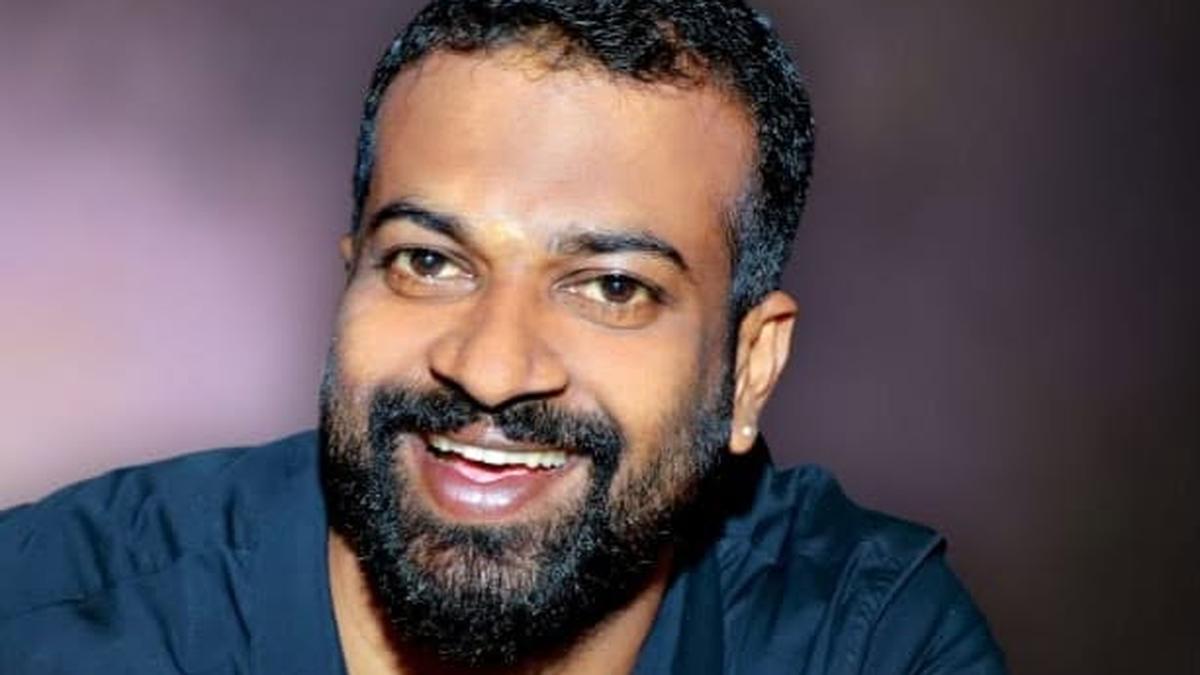
Sugathan is among 20 BJP councillors directed by High Court to retake oaths after they had violated procedure during original ceremony by using names of local deities. 19 councillors retook oaths, but Sugathan was detained at the time and was not able to attend the ceremony
Judicial Intervention and Democratic Mandate: The Case of R. Sugathan
In a significant intersection of judicial oversight and local governance, the Kerala High Court has intervened to ensure that the democratic mandate of a constituency is upheld, even under the constraints of criminal detention. The court's decision to allow BJP councillor R. Sugathan to take his oath of office within the confines of Viyyur jail highlights a complex legal balance between the state's power to detain individuals under stringent laws and the administrative necessity of filling elected offices.
The Procedural Conflict and the 'Deity' Controversy
To understand the necessity of this order, one must look at the procedural failure that triggered the retaking of oaths for 20 BJP councillors. The original oath-taking ceremony was deemed invalid because the councillors deviated from the prescribed legal format, instead invoking the names of local deities. In the Indian constitutional framework, the oath of office is a formal legal requirement designed to ensure allegiance to the law and the state. By substituting the legal formula with religious invocations, the councillors inadvertently created a legal vacuum, rendering their assumption of office technically void. This incident underscores the tension between personal religious expression and the rigid requirements of constitutional protocol in public administration.
KAAPA and the Challenges of Incarceration
R. Sugathan's situation is further complicated by his status as an accused under the Kerala Anti-Social Activities (Prevention) Act (KAAPA). KAAPA is one of the most stringent preventive detention laws in India, designed to prevent habitual offenders from engaging in activities prejudicial to public order. Because KAAPA detentions often involve restricted movement and limited access to the outside world, Sugathan was physically unable to participate in the remedial oath-taking ceremony that his 19 colleagues successfully completed. The High Court's decision to allow the oath to be administered inside Viyyur jail is a pragmatic solution to a logistical and legal deadlock.
Implications for Representative Democracy
This ruling reinforces the principle that an elected representative's right to assume office is distinct from their personal legal battles, provided they have not been disqualified by a court of law. By facilitating the oath-taking process in jail, the court ensures that the councillor's constituency is not left without a formally sworn-in representative. This prevents a governance gap at the local level, where a councillor's official status is required to sign documents, attend virtual meetings, or exercise certain administrative prerogatives, even if their physical presence is limited by detention.
Historical Context and Judicial Trends
Historically, Indian courts have frequently dealt with the dilemma of 'prisoners in office.' From members of parliament to local body representatives, the judiciary has generally leaned toward ensuring that the electoral will of the people is not nullified by pending trials or preventive detentions. This case follows a trend of judicial pragmatism where the court seeks to separate the criminal justice process from the administrative functions of a democratic office, ensuring that the machinery of local government continues to function despite the legal status of individual members.
Conclusion
The Kerala High Court's directive serves as a critical reminder of the supremacy of legal procedure over personal preference in official ceremonies. While the initial error regarding the oath's wording caused a systemic delay, the court's subsequent order for R. Sugathan demonstrates a commitment to democratic continuity. By allowing the oath to be taken in Viyyur jail, the judiciary has successfully navigated the friction between the restrictive nature of KAAPA and the fundamental requirement of representative governance.
Verification Required?