Uddhav backs CJP and Sonam Wangchuk's protest, urges activist to end fast
Source Entity
India Latest News: Top National Headlines Today & Breaking News | The Hindu
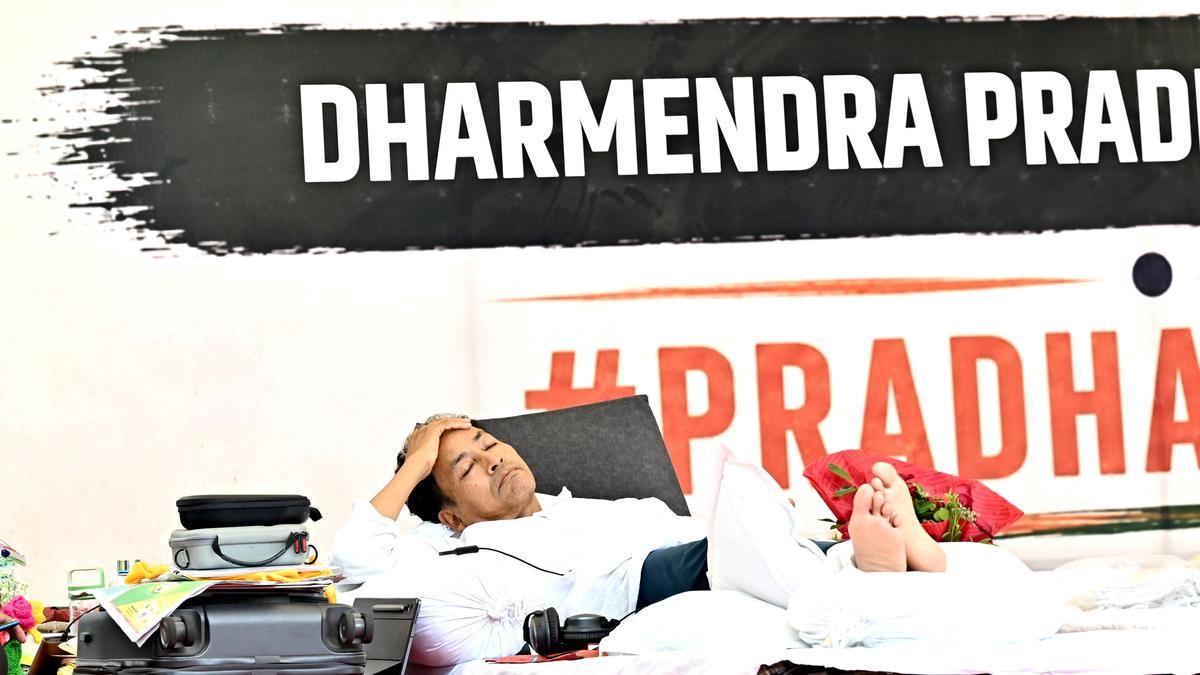
Uddhav appealed to Mr. Wangchuk to withdraw his hunger strike, saying his life is precious to the country, as the government doesn't seem to care about the protest
Political Solidarity and Environmental Activism: Analyzing Uddhav Thackeray's Support for Sonam Wangchuk
In a significant gesture of political solidarity, Uddhav Thackeray has publicly backed the protests led by renowned climate activist and educator Sonam Wangchuk and the Citizens for Justice and Peace (CJP). The core of this intervention is a plea for Wangchuk to terminate his hunger strike, with Thackeray emphasizing that Wangchuk's life is an invaluable asset to the nation. This development highlights a growing intersection between regional political leadership and grassroots movements focused on environmental preservation and democratic rights.
The Context of the Ladakh Protest
To understand the weight of this support, it is essential to examine the grievances driving Sonam Wangchuk's activism. Wangchuk has been a leading voice demanding that Ladakh be granted statehood and included under the Sixth Schedule of the Indian Constitution. The Sixth Schedule provides for the creation of autonomous district councils, allowing indigenous populations to govern their own land and resources. For the people of Ladakh, this is not merely a political demand but a survival mechanism to protect the fragile Himalayan ecosystem from unregulated industrialization and to preserve their unique cultural identity against external pressures.
The Role of CJP and Collaborative Activism
The involvement of the Citizens for Justice and Peace (CJP) adds a layer of legal and human rights scrutiny to the movement. By aligning with CJP, the protest transcends a localized demand for statehood and becomes part of a broader national conversation regarding civil liberties and the right to dissent. Thackeray's endorsement of both Wangchuk and CJP suggests a strategic alignment with organizations that challenge the central government's approach to governance in sensitive border regions, framing the issue as one of fundamental justice rather than just administrative restructuring.
Political Implications of Thackeray's Intervention
Uddhav Thackeray's decision to weigh in on a Ladakh-centric issue is a calculated move that expands his political footprint beyond the borders of Maharashtra. By positioning himself as a defender of environmentalists and activists, Thackeray is appealing to a wider demographic of liberal and environmentally conscious voters. His assertion that the government "doesn't seem to care about the protest" serves as a sharp critique of the Union government's perceived apathy toward the concerns of the Ladakhi people, thereby framing the central administration as detached from the needs of its most remote citizens.
The Friction Between Security and Autonomy
The tension described in the news event reflects a deeper conflict between the Indian government's security-centric approach to border regions and the local populace's desire for autonomy. Since the reorganization of Jammu and Kashmir in 2019, Ladakh has existed as a Union Territory without a legislature. While the government views direct central control as necessary for national security given the proximity to China and Pakistan, activists like Wangchuk argue that true security is only possible when the local population feels empowered and their land is protected from exploitation.
Predicting Future Trends in Climate-Political Movements
This event signals a rising trend where climate activism is becoming inextricably linked with political opposition in India. As environmental degradation becomes more visible, political figures are likely to increasingly align themselves with "green" protests to gain moral legitimacy. We can expect future protests in ecologically sensitive zones—such as the Western Ghats or the Northeast—to see similar patterns of support from opposition leaders, transforming local environmental battles into national political flashpoints.
Conclusion
Uddhav Thackeray's appeal to Sonam Wangchuk is more than a humanitarian request; it is a political statement on the state of democratic engagement in India. While the immediate goal is to ensure the safety of an influential activist, the broader implication is a call for the central government to engage in meaningful dialogue with the people of Ladakh. The outcome of this protest will likely serve as a litmus test for how the Indian state balances national security imperatives with the democratic aspirations of its indigenous populations.
Verification Required?