Why BJP replaced its Bankipur bypoll nominee before face-off with Prashant Kishor
Source Entity
TOI NEWS DESK
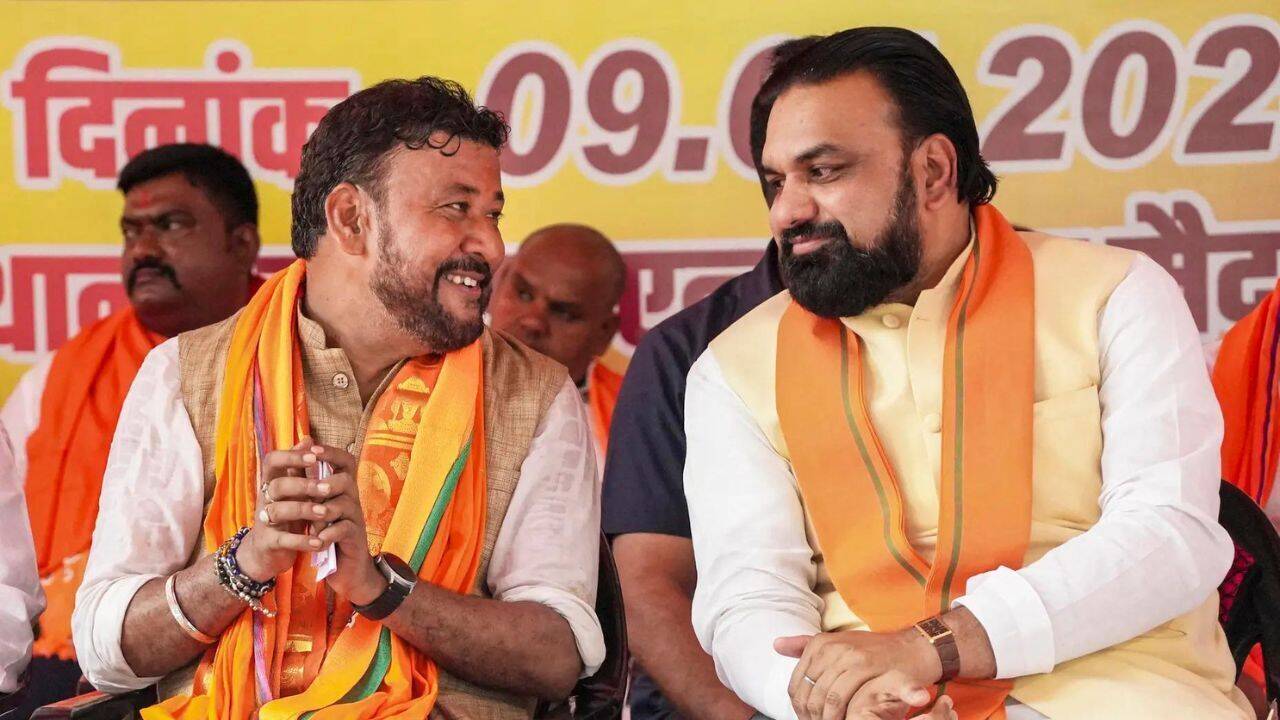
BJP's Abhishek Kumar Sinha withdrew from the Bankipur bypoll citing family reasons. The party then fielded Neeraj Kumar Sinha as its new candidate for the contest. Opposition parties claimed the BJP was nervous about a potential defeat in the upcoming election. Jan Suraaj founder Prashant Kishor is campaigning against the ruling party. Polling for the Bankipur bypoll is scheduled for July 30.
Strategic Pivot in Bankipur: Analyzing the BJP's Candidate Shift
The political landscape of the Bankipur constituency has suddenly become a focal point of regional tension following the Bharatiya Janata Party's (BJP) decision to replace its nominee just ahead of the bypoll scheduled for July 30. The withdrawal of Abhishek Kumar Sinha, who cited personal family reasons for stepping down, and the subsequent nomination of Neeraj Kumar Sinha, represents more than a simple administrative change. In the high-stakes environment of Indian electoral politics, such last-minute pivots often signal a recalibration of strategy to counter emerging threats or internal vulnerabilities.
The Dynamics of Candidate Replacement
The official reason provided for Abhishek Kumar Sinha's exit—family reasons—is a frequent narrative in political circles, often serving as a diplomatic veil for deeper strategic disagreements or a lack of confidence in a candidate's local traction. By fielding Neeraj Kumar Sinha, the BJP is likely attempting to optimize its appeal within the specific demographic and social strata of Bankipur. The timing of this change is critical; by altering its face for the election, the party is attempting to reset the narrative and potentially neutralize any momentum the opposition had gained against the previous nominee.
The 'Prashant Kishor' Variable
A central driver of the current volatility is the presence of Prashant Kishor and his Jan Suraaj movement. Kishor, a renowned political strategist who has previously engineered victories for several major Indian leaders, is now transitioning from the shadows of consultancy to direct political activism. His campaign against the ruling party in Bankipur introduces a new variable: a data-driven, grassroots approach that challenges the traditional machinery of established parties. The BJP is not merely fighting a traditional opposition but is facing a strategist who understands the very mechanics of electoral victory that the party itself employs.
Opposition Narratives and Psychological Warfare
Opposition parties have been quick to frame this candidate swap as a sign of weakness, claiming that the BJP is "nervous" about a potential defeat. In political communication, the perception of nervousness can be as damaging as an actual policy failure. By characterizing the replacement as a panic move, the opposition seeks to create a narrative of instability within the ruling party's ranks. This psychological warfare is designed to sway undecided voters by suggesting that even the BJP's internal assessments indicate a precarious position in Bankipur.
Broader Implications for Regional Power Structures
This bypoll serves as a critical bellwether for the broader political climate of the region. If the BJP struggles in Bankipur despite its candidate shift, it could signal a waning of the party's hegemony or a successful penetration of the electoral space by third-party movements like Jan Suraaj. The contest highlights a growing trend where traditional party loyalty is being challenged by individual-led movements that promise systemic reform and a departure from legacy politics. The outcome will likely dictate how the BJP approaches candidate selection in future general elections.
Conclusion and Future Outlook
As the July 30 polling date approaches, the Bankipur bypoll has evolved into a litmus test for the BJP's adaptability against a sophisticated challenger in Prashant Kishor. The replacement of Abhishek Kumar Sinha with Neeraj Kumar Sinha is a tactical gamble intended to shore up support and project stability. Whether this move succeeds will depend on Neeraj Kumar Sinha's ability to quickly mobilize the base and whether the Jan Suraaj movement can convert its strategic momentum into actual votes. This event underscores a shifting paradigm in regional politics where strategic agility is becoming as important as traditional party infrastructure.