BJP asks Rahul Gandhi to explain his whereabouts: 'Where did he go, who did he meet?'
Source Entity
TOI NEWS DESK
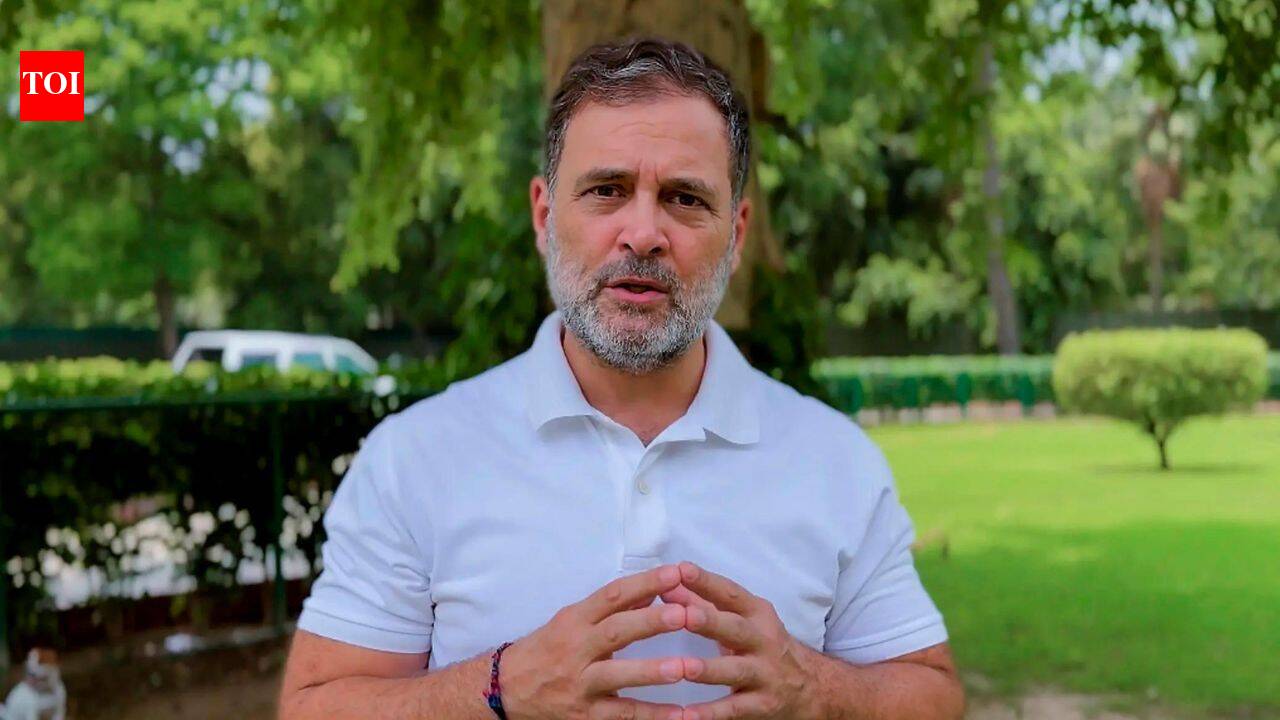
BJP asks Rahul Gandhi to explain his whereabouts: 'Where did he go, who did he meet?'...
Political Friction: BJP Demands Transparency from Rahul Gandhi
In a recent escalation of political rhetoric, the Bharatiya Janata Party (BJP) has issued a pointed demand for Rahul Gandhi to explain his recent whereabouts, specifically questioning where he traveled and whom he met during his absences. This demand is not merely a query about travel logs but serves as a strategic political maneuver designed to place the opposition leader on the defensive. By framing the request around transparency and accountability, the BJP aims to cast a shadow of suspicion over Gandhi's diplomatic or personal engagements, suggesting that there may be undisclosed agendas or foreign influences at play.
The Strategic Nature of the Inquiry
The specific phrasing used by the BJP—"Where did he go, who did he meet?"—is a classic example of political framing. In the high-stakes environment of Indian politics, questioning the movement of a primary opposition figure often serves to imply a lack of transparency or a secret attempt to garner external support. From an analytical perspective, this tactic forces the opposition to either disclose details that might be strategically sensitive or remain silent, which the ruling party can then interpret as a confirmation of secrecy. This creates a 'no-win' scenario for the targeted politician, regardless of the actual nature of their travels.
Broader Implications for Political Discourse
This incident reflects a broader trend in the Indian political landscape where the personal movements and associations of political leaders are heavily scrutinized and weaponized. The demand for an explanation of whereabouts transcends simple curiosity; it touches upon themes of national security and political loyalty. When the ruling party questions the meetings of an opposition leader, it often signals to the public that the opposition's actions may be contrary to national interests. This narrative is a potent tool in mobilizing a base that values strong, transparent leadership and views opposition movements with skepticism.
Historical Context and Patterns
Historically, the relationship between the BJP and the Indian National Congress has been characterized by intense ideological clashes. The practice of questioning the 'foreign links' or 'secret meetings' of political opponents is a recurring theme in Indian electoral cycles. By reviving this line of questioning, the BJP is tapping into a long-standing political playbook that seeks to delegitimize the opposition's leadership by portraying them as disconnected from the grassroots or overly reliant on external actors. This pattern of confrontation ensures that the political discourse remains centered on the credibility and character of the individual leaders rather than on specific policy failures or successes.
Predicted Future Trends
Moving forward, it is likely that this line of questioning will intensify as the country approaches significant electoral milestones. We can expect the BJP to continue pressing for specific names and dates, potentially utilizing social media to amplify the 'mystery' surrounding Gandhi's travels. Conversely, Rahul Gandhi and the Congress party are likely to frame these demands as a 'witch hunt' or a distraction from pressing economic and social issues. This cycle of accusation and denial is expected to dominate the news cycle, further polarizing the political atmosphere and narrowing the space for substantive policy debate.
Conclusion: The Cycle of Confrontation
Ultimately, the BJP's demand for Rahul Gandhi to explain his whereabouts is a symptom of the deeply adversarial nature of contemporary Indian politics. While framed as a request for transparency, it functions primarily as a tool for narrative control. The outcome of this specific standoff—whether Gandhi provides a detailed itinerary or dismisses the query as politically motivated—will likely have little impact on the factual record but will significantly influence the perception of leadership and transparency in the eyes of the electorate.