Congress out of Punjab poll race, says BJP leader Fatehjung Singh Bajwa
Source Entity
TOI NEWS DESK
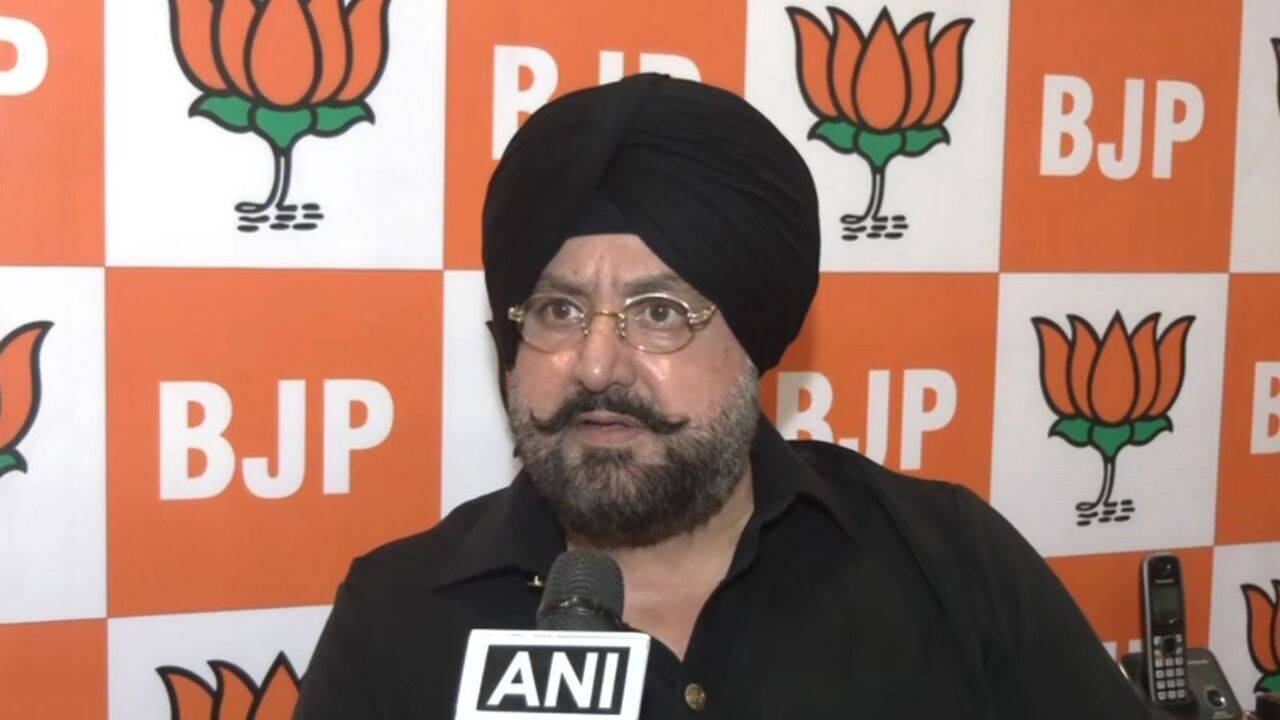
A Punjab BJP leader stated the Congress party is not in the race for 2027. He believes the party will struggle to retain its existing eighteen seats. Congress leaders themselves allege compromises with the current state government. Party officials deny any internal factionalism and express unity for upcoming polls. Unity is crucial for the party, but compromised leaders should be avoided.
Political Volatility in Punjab: Analyzing the BJP's Projection of Congress's Decline
The recent assertion by BJP leader Fatehjung Singh Bajwa that the Indian National Congress is effectively "out of the race" for the 2027 Punjab Assembly elections signals a strategic attempt by the BJP to reshape the political narrative in the state. By publicly questioning the viability of one of India's oldest political institutions, Bajwa is not merely making a prediction but is engaging in a psychological operation to demoralize the Congress cadre and sway undecided voters. This claim comes at a time when Punjab's political landscape has shifted from a traditional bipolar contest between the Congress and the Shiromani Akali Dal (SAD) to a more fragmented environment dominated by the Aam Aadmi Party (AAP).
The Strategic Positioning of the BJP
From an analytical perspective, the BJP's rhetoric serves a dual purpose. First, by painting the Congress as a spent force, the BJP seeks to position itself as the primary and only credible alternative to the ruling AAP government. If the electorate perceives the Congress as incapable of winning or even maintaining its current presence, the BJP can consolidate the anti-incumbency vote. The specific mention that Congress will struggle to retain its existing eighteen seats is a calculated move to quantify the party's decline, turning a general sense of instability into a concrete numerical threat that can be used to discourage potential candidates from sticking with the party.
Historical Context and the Congress Decline
To understand the weight of Bajwa's claims, one must look at the historical trajectory of the Congress party in Punjab. For decades, the party maintained a stronghold through a network of local patronage and a broad-based coalition of rural and urban voters. However, the rise of the AAP in the last election cycle fundamentally disrupted this equilibrium. The Congress's struggle to find a cohesive leadership structure and its failure to address agrarian distress effectively led to a massive exodus of supporters. Bajwa's claim that the party is "out of the race" is an extrapolation of this downward trend, suggesting that the party has reached a point of no return without a radical overhaul.
Internal Factionalism and the 'Compromise' Narrative
One of the most critical elements of this report is the allegation of "compromises" between Congress leaders and the current state government. In the high-stakes environment of Punjab politics, the perception that leaders are "settling" or collaborating with the ruling party behind the scenes can be fatal to party morale. While Congress officials have officially denied any internal factionalism and expressed a facade of unity, the very fact that these allegations are surfacing suggests a porous boundary between the opposition and the treasury benches. The warning that "compromised leaders should be avoided" indicates an internal struggle for purity and loyalty within the Congress ranks, which often precedes larger splits or defections.
Predicting the Road to 2027
Looking forward to the 2027 elections, the trajectory of the Congress party will likely depend on its ability to purge perceived opportunists and present a unified front. If the BJP's narrative of a "vanishing Congress" gains traction, we may see a wave of defections toward the BJP or AAP, further hollowing out the party's organizational structure. However, political history in Punjab is often volatile; a single unifying issue or a leadership change could potentially revive the party. Nevertheless, based on the current friction and the aggressive stance taken by leaders like Fatehjung Singh Bajwa, the Congress faces an uphill battle to prove it remains a relevant political force.
Summary of Political Implications
In conclusion, the clash of narratives between the BJP's predictions of failure and the Congress's claims of unity reflects a deeper struggle for survival in Punjab. The BJP is aggressively attempting to marginalize the Congress to clear its own path to power, while the Congress is fighting a defensive battle against both external criticism and internal suspicion. The outcome of this struggle will determine whether Punjab returns to a multi-party competition or settles into a new era of BJP-AAP dominance.