BJP's Narottam Mishra ticket row turns violent in Datia, curfew imposed
Source Entity
Latest News: Today's Latest News Headlines from India & World | Hindustan Times | Hindustan Times
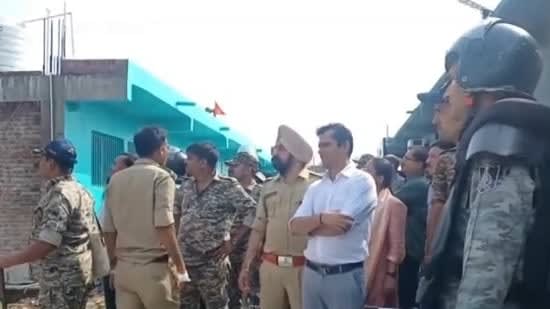
Datia tense: Agitated supporters pelted stones at the police, vandalised trucks, and created chaos on NH-44.
Civil Unrest in Datia: Analyzing the BJP Ticket Dispute
The district of Datia has been plunged into significant turmoil following a political dispute centered around the distribution of election tickets within the Bharatiya Janata Party (BJP), specifically involving prominent leader Narottam Mishra. What began as an internal party disagreement over candidate selection quickly escalated into public violence, leading to a breakdown of law and order. The situation reached a critical point when agitated supporters took to the streets, resulting in clashes with security forces and the subsequent imposition of a curfew to prevent further escalation.
The Mechanics of 'Ticket Rows' in Indian Politics
To understand the gravity of this event, it is essential to analyze the nature of 'ticket rows' within large political organizations in India. The process of deciding which individual will represent a party in a specific constituency is often fraught with tension, as it involves balancing local popularity, caste dynamics, and loyalty to the party high command. When a high-profile leader like Narottam Mishra is perceived to be sidelined or when his supporters feel the selection process was unjust, the resulting friction often manifests as grassroots volatility. In this instance, the perceived unfairness triggered a visceral reaction from the local cadre, transforming a bureaucratic party decision into a public security crisis.
Impact on Infrastructure and Public Safety
One of the most concerning aspects of the unrest in Datia is the targeting of NH-44, one of India's most critical national highways. The reports of supporters vandalizing trucks and creating chaos on this arterial route highlight how localized political grievances can have far-reaching economic consequences. By disrupting the flow of logistics and trade on a major highway, the protestors effectively amplified their grievance, though at the cost of public safety and economic stability. The act of pelting stones at police officers further underscores the volatility of the crowd and the total collapse of communication between the agitated supporters and the state authorities.
Law Enforcement Response and the Imposition of Curfew
The decision by the administration to impose a curfew is a drastic measure typically reserved for situations where the local police are unable to contain a mob through standard crowd-control tactics. This suggests that the level of violence in Datia was severe enough to threaten the overall stability of the district. The imposition of a curfew serves two purposes: first, to physically separate conflicting groups and prevent further stone-pelting, and second, to signal the state's resolve in maintaining order. However, such measures often leave a lingering sense of resentment among the local population, potentially deepening the divide between the party supporters and the administration.
Broader Political Implications for the BJP
This incident presents a significant challenge for the BJP's image in the region. Internal dissent that spills over into public violence can be framed by opposition parties as a sign of instability and lack of leadership within the ruling party. The fact that the unrest is tied to a figure as prominent as Narottam Mishra suggests a potential rift in the local power structure. For the party to recover, it will likely need to engage in intense internal mediation to appease the aggrieved faction without appearing to succumb to street violence, a delicate balancing act that will determine their electoral viability in the constituency.
Future Trends and Conclusion
Looking forward, this event is likely to prompt a review of how ticket distribution is communicated to local cadres to avoid similar outbursts in other districts. The trend of 'candidate rebellion' is not new, but the escalation to highway vandalism and curfew-level violence indicates a rising volatility in regional political engagement. In summary, the Datia incident is a stark reminder of how internal party friction can rapidly evolve into a law-and-order crisis, disrupting critical infrastructure and necessitating state intervention to restore peace.
Verification Required?