Phone & WhatsApp numbers, QR code: BJP seeks suggestions for 2027 poll manifesto
Source Entity
The Indian Express
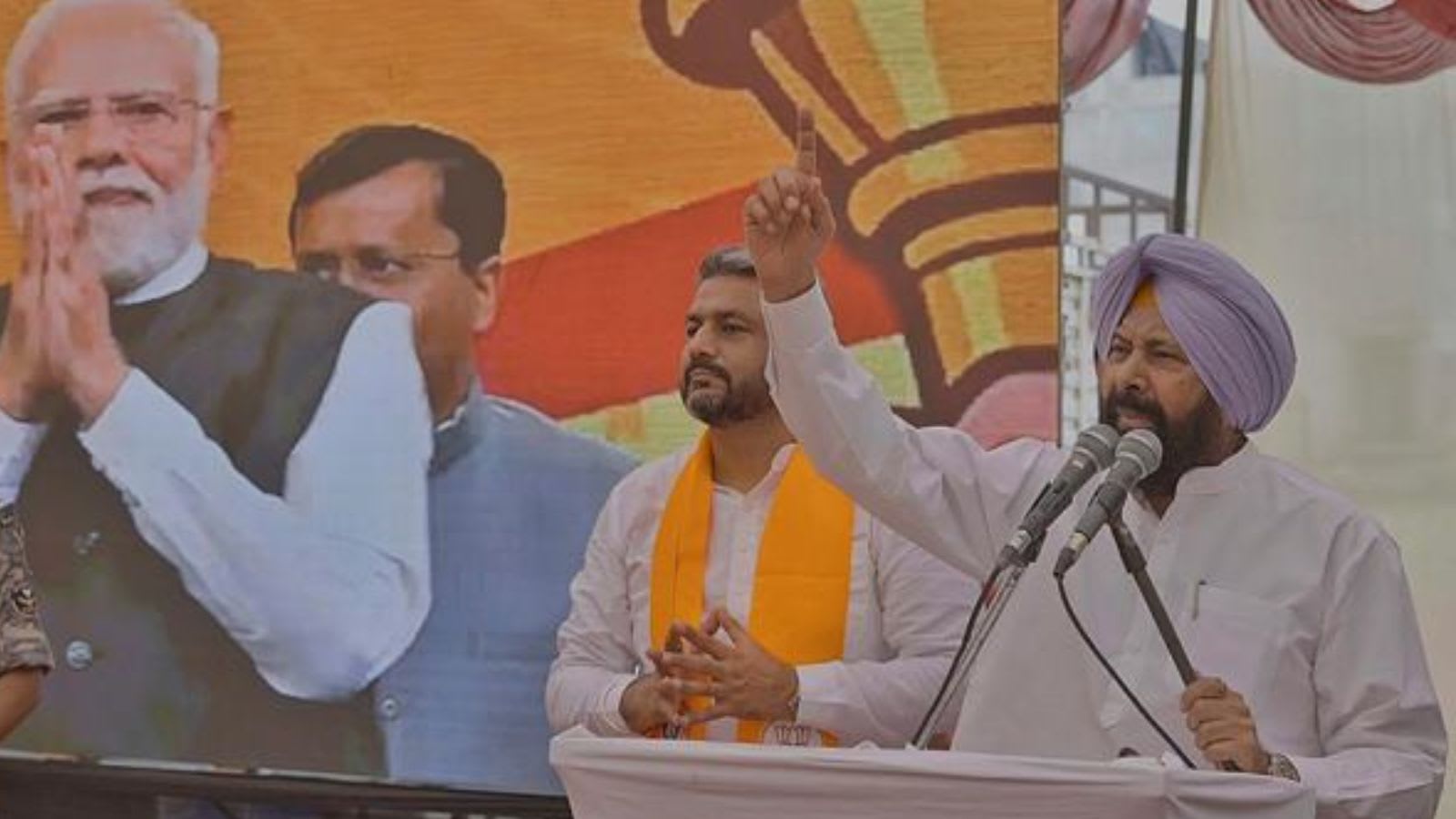
The BJP has launched a public outreach campaign in Punjab to gather suggestions for its 2027 assembly election manifesto. Citizens can contribute via dedicated phone lines, a missed call service, and WhatsApp, with a deadline set for mid-December.
BJP Launches Public Outreach for 2027 Punjab Manifesto
As the political landscape in Punjab begins to shift toward the 2027 Assembly elections, the Bharatiya Janata Party (BJP) has initiated a proactive strategy to craft its policy platform. By launching a statewide public outreach campaign, the party aims to draft a 'Sankalp Patra'—or manifesto—that reflects the grounded needs and aspirations of the Punjabi electorate. This move underscores a strategic pivot toward direct engagement, moving beyond traditional campaigning to solicit input directly from diverse societal segments.
Digital Accessibility and Direct Engagement
To streamline the collection of public feedback, the BJP has deployed a multifaceted digital infrastructure. The party has introduced three specific channels for communication: a direct phone line (07971943333), a missed call service (9913002027), and a dedicated WhatsApp number (71508560065). By utilizing a QR code and these digital touchpoints, the party is attempting to lower the barrier to entry for political participation, allowing citizens to bypass local hierarchies and communicate their priorities directly to the state leadership.
Strategic Timeline and Methodology
State BJP president Kewal Singh Dhillon has emphasized that this consultative process is already underway, with a firm deadline for submissions set for mid-December. This timeframe suggests that the party intends to finalize its policy framework well in advance of the election cycle, providing ample time for the synthesis of public ideas into actionable governance goals. The use of campaign vans that will traverse the state further illustrates an effort to reach rural and remote demographics that may not be fully integrated into digital feedback loops.
Strengthening the 'Sankalp Patra'
In modern Indian politics, the manifesto has evolved from a simple list of promises into a vital document for establishing trust and legitimacy. By crowdsourcing these ideas, the BJP is positioning its 2027 manifesto as a bottom-up document rather than a top-down imposition. This approach is intended to provide the party with granular data on local grievances—ranging from agricultural concerns to infrastructure and employment—which are critical in the complex sociopolitical climate of Punjab.
Broader Political Implications
This outreach initiative signifies the BJP's ambition to broaden its electoral footprint in Punjab. By actively seeking input from various sections of society, the party is attempting to broaden its appeal and address the unique challenges of the state’s economy and social fabric. The success of this campaign will likely serve as a litmus test for how effectively the party can translate popular sentiment into a cohesive, competitive platform that resonates with the voters in the upcoming assembly elections.
Future Trends in Political Communication
Looking ahead, the reliance on WhatsApp and QR-based feedback systems signals a permanent shift in how political parties interact with their constituents. As parties increasingly leverage data analytics to interpret these mass-solicited inputs, we can expect future election manifestos to become more specialized and responsive to localized issues. The BJP’s current experiment in Punjab highlights this trend, where digital connectivity is being harnessed to bridge the gap between institutional policy-making and the immediate concerns of the public.