5.6 lakh consumers in Delhi clear water bills, Rs 3,618 cr in penalties written off
Source Entity
The Indian Express
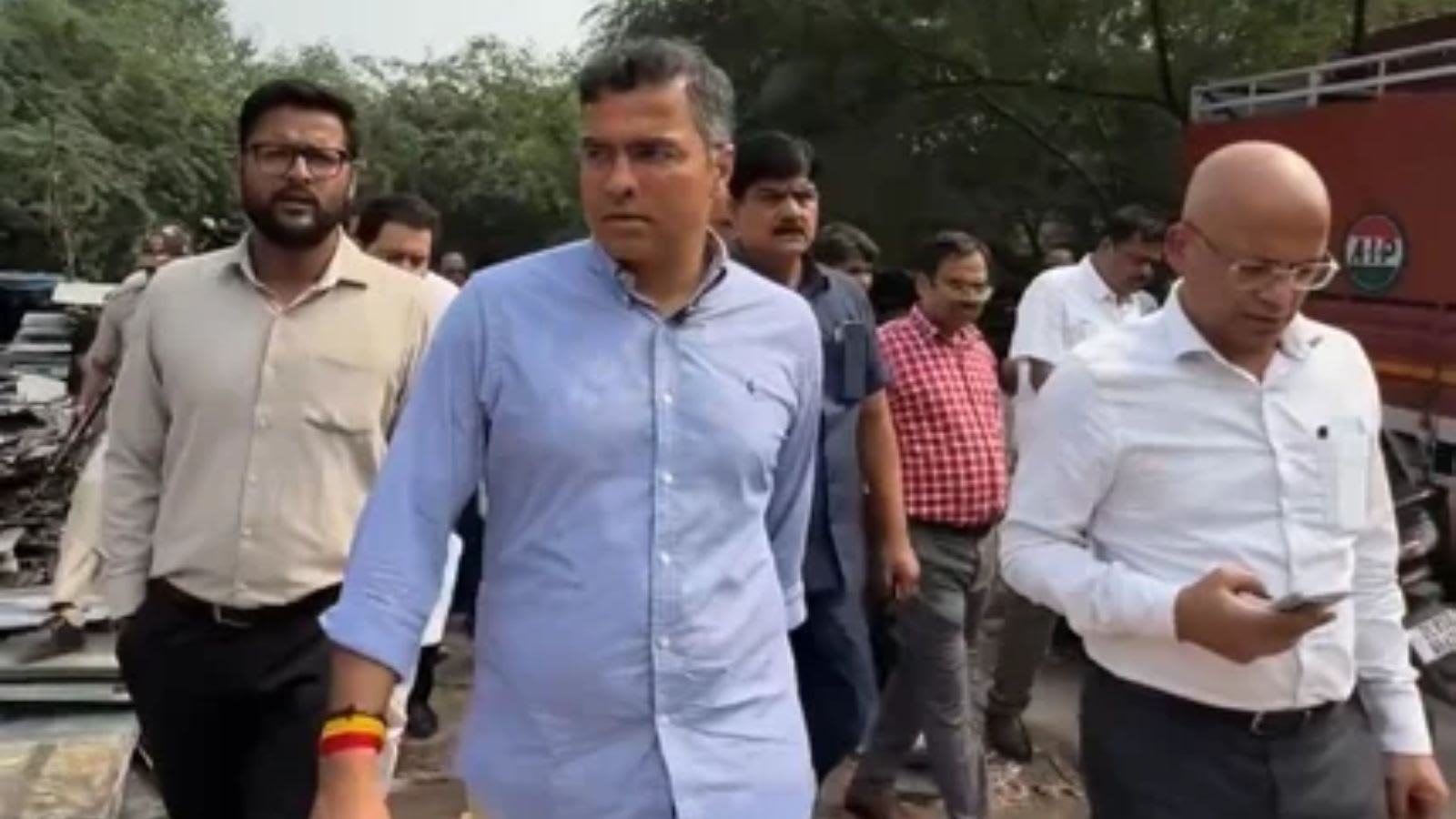
The Delhi Jal Board has successfully recovered Rs 1,076 crore in outstanding water dues after 5.66 lakh consumers utilized a waiver scheme for late payment surcharges. This initiative effectively cleared Rs 3,618 crore in penalties, encouraging widespread compliance among eligible households.
Delhi Jal Board's LPSC Waiver Scheme: A Strategic Financial Recovery
The Delhi Jal Board (DJB) has achieved a significant milestone in fiscal management by successfully implementing the Late Payment Surcharge (LPSC) Waiver Scheme. By incentivizing consumers to settle their principal water dues, the government has managed to recover Rs 1,076 crore in long-pending arrears. This move not only bolsters the financial health of the state utility but also provides much-needed relief to over 5.66 lakh households that were previously burdened by mounting penalties.
Mechanism of the Waiver
At the core of this initiative is a pragmatic policy approach: the total forgiveness of late payment surcharges for those who commit to paying their original principal amount. By decoupling the accumulated punitive interest from the core debt, the DJB has effectively lowered the barrier to compliance. This strategy serves as an acknowledgment of the reality that excessive penalty accumulation often deters consumers from settling debts, eventually leading to a complete breakdown in revenue collection.
Participation and Impact
Data indicates that 13.39 lakh households were originally eligible for this relief program. With 5.48 lakh households—approximately 41% of the eligible pool—participating, the scheme has demonstrated a strong uptake. These participants collectively paid Rs 854.54 crore in principal dues while benefiting from a total waiver of Rs 1,886.89 crore in penalties. This high participation rate suggests that the policy was well-targeted and effectively communicated to the public.
Fiscal Implications
The write-off of Rs 3,618 crore in total penalties represents a strategic decision to prioritize the recovery of actual principal amounts over the theoretical collection of surcharges that were unlikely to be paid. By cleaning up its balance sheet, the DJB is better positioned to allocate resources toward infrastructure development and service delivery improvements. This clearing of historical debt is essential for the sustainable operation of water utility services in a rapidly expanding urban center like Delhi.
Future Trends and Sustainability
Looking ahead, the success of this waiver scheme could serve as a blueprint for other public sector utilities struggling with high non-payment rates. By periodically offering windows for reconciliation, the government can maintain a healthier cash flow and reduce the administrative burden of managing long-term bad debts. Future trends likely involve the integration of more robust digital payment tracking systems to ensure that once these accounts are cleared, consumers remain current, thereby preventing the need for future large-scale amnesty programs.