BJP sweeps mayoral polls in Jaipur, Jodhpur and Kota amid clashes, cross-voting
Source Entity
Parul Kulshrestha
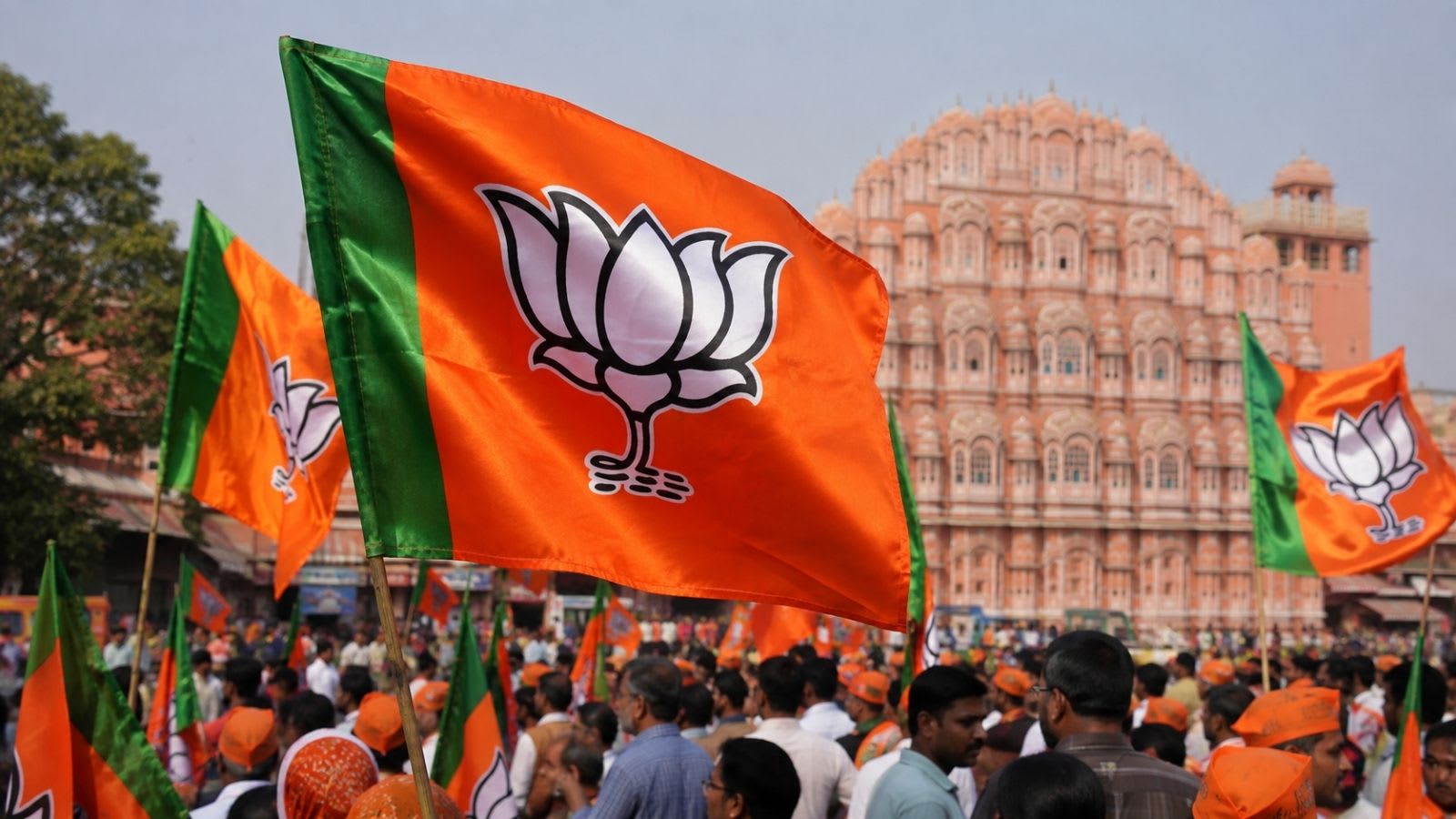
The BJP secured mayoral victories in Jaipur, Jodhpur, and Kota, defeating Congress candidates despite reports of clashes and cross-voting. These wins solidify the party's urban presence across three major Rajasthan municipal corporations.
BJP Secures Dominant Win in Rajasthan Municipal Elections
The Bharatiya Janata Party (BJP) solidified its influence in Rajasthan’s urban governance by clinching the mayoral posts in the state’s three largest municipal corporations: Jaipur, Jodhpur, and Kota. The election results, declared on September 26, 2026, represent a significant political maneuver for the party, as it successfully navigated highly contentious contests characterized by protests, public clashes, and unexpected cross-voting patterns.
Strategic Alliances and Cross-Voting Dynamics
In Jaipur, the election of Sunil Kothari highlighted the party's ability to consolidate power beyond its core membership. Kothari secured 89 votes, comfortably surpassing the 60 votes garnered by Congress candidate Sunita Mawar. This victory was facilitated by the support of 11 independent or non-BJP councillors, illustrating a strategic reliance on cross-voting and local alliances that allowed the BJP to bypass a simple partisan majority. Similar trends were observed in Jodhpur and Kota, where voting figures exceeded the official councillor tallies of the competing parties, suggesting a fluid political environment where individual allegiances played a decisive role in the outcome.
Leadership and Municipal Priorities
Following his victory, Mayor-elect Sunil Kothari emphasized a commitment to urban development, stating that his administration's priority is to modernize Jaipur while honoring its historical traditions. This focus on balancing heritage with urban growth is a recurring theme in Rajasthan's political discourse. Alongside Kothari, Prasanna Chand Mehta assumed the mayoral office in Jodhpur, and Anusuiya Goswami was elected in Kota, marking a total sweep of the primary urban centers by the BJP. Additionally, the party secured a narrow victory in the Suket municipality, further expanding its administrative footprint in the Kota district.
Broader Political Implications
The volatility surrounding these elections—marked by clashes and intense protest—reflects the high stakes involved in municipal governance in Rajasthan. As the primary tier of local democracy, these corporations control significant urban infrastructure projects, sanitation, and public services. By securing these posts, the BJP has effectively positioned itself to dictate the development trajectory of the state’s most populous cities for the coming term.
Future Trends and Challenges
Looking ahead, the reliance on cross-voting to secure these victories points to a complex political landscape where maintaining a unified front will be essential for the new mayors. The success of the BJP candidates suggests a growing trend of ideological flexibility in local elections, where independent candidates are increasingly influential. As these newly elected officials take office, the focus will shift toward their ability to deliver on campaign promises amid the scrutiny of a strong opposition and the logistical challenges of managing rapidly growing urban centers.